The End of the Search Bar: Navigating the OpenAI Ad Frontier


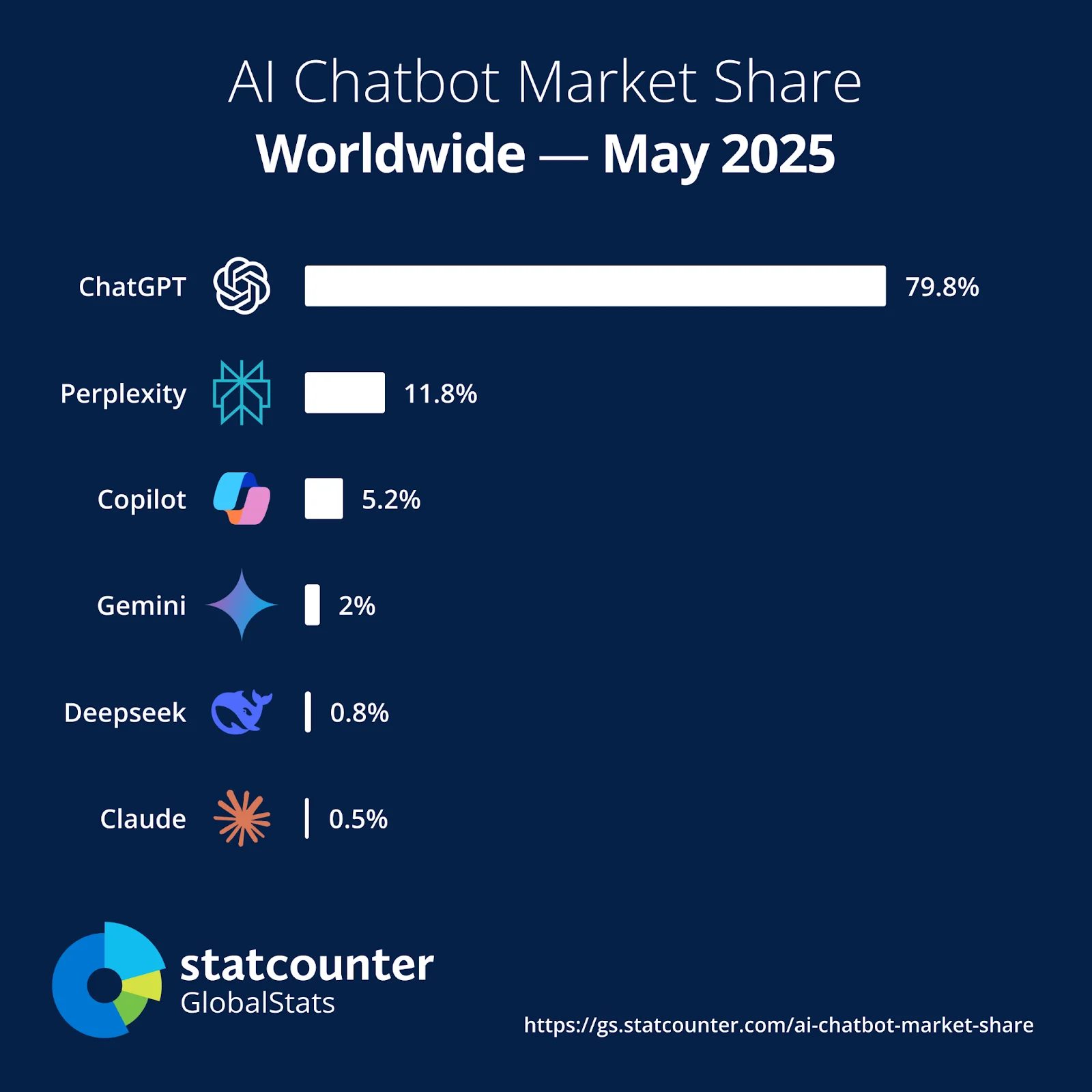
That interface is no longer the center of gravity. Today, more of the discovery journey is happening inside conversational systems that don’t return a list. They return a recommendation. And when the interface shifts from “results” to “answers,” the economics, the incentives, and the measurement rules change with it.
That’s the real context for OpenAI’s move toward advertising inside ChatGPT. OpenAI has been explicit about the principle: ads will be clearly labeled, separated from answers, and won’t influence the model’s responses. The point is not to argue with that intent. The point is to understand what happens when a high-trust decision interface becomes a paid surface, even cautiously.
Because once ads exist inside the answer layer, “search marketing” stops being about winning a click. It becomes about earning a place in the user’s decision narrative and proving that presence created business impact in an environment where native proof is thin.
Search isn’t dead. It’s being rerouted.
The word “search” still fits. People will keep looking for things. The change is where that behavior lives and how it resolves.
Traditional search is a branching experience. You enter a query, then you do the work of narrowing: scanning headlines, opening tabs, weighing sources, refining your query, and repeating until you’re confident enough to act.
Conversational discovery compresses that entire loop. Instead of “show me options,” users increasingly ask, “what should I do?” They bring context into the prompt: their budget, their constraints, their preferences, their timeline, their current setup, what they’ve already tried. That context turns discovery into decision support.
{{26-The-End-of-the-Search-Bar="/tables"}}
This is why “keyword strategy” starts to feel like the wrong unit of effort. In a conversational interface, the system isn’t matching isolated terms. It is interpreting an entire problem statement and trying to provide the most useful next step. Your brand is no longer competing for a top link. It’s competing to be the most recommendable solution inside an answer.
That shift changes what you optimize, what you measure, and what you can reasonably trust.

What we know about ChatGPT ads so far
OpenAI’s public framing is careful: advertising is a way to expand access while protecting trust. The company has stated that ads won’t affect answers, ads will be clearly labeled and distinct from responses, and conversations remain private from advertisers.
On the market side, early reporting suggests a deliberately premium, limited rollout.
- Who sees ads: OpenAI’s initial testing is reported to focus on U.S. users on the Free and lower-cost Go tiers, with higher tiers remaining ad-free.
- Where they show up: Sponsored placements are described as appearing at the bottom of responses, separate from the answer itself.
- How buying is structured: Reports describe a CPM model with a high minimum commitment for select advertisers.
- How measurement starts: Initial performance reporting has been characterized as basic—impressions and clicks, with limited visibility into downstream actions.
This represents a formal shift from “keyword discovery” to “semantic intent fulfillment,” and the early mechanics look closer to premium media than classic search. Framing it that way matters, as it stops teams from forcing old playbooks onto a new surface.
The pricing isn’t the story. The pricing is the signal.
Everyone is going to talk about the CPM. Some reports peg early pricing around $60 per 1,000 views, which puts it closer to premium video than the search budgets most teams are used to managing.
But the number itself is less important than what it signals:
- This inventory is being positioned as decision intent, not cheap reach. If the pitch is “high commercial intent,”he moment someone wants to decide*, not the moment someone wants to browse.
- The risk shifts to the advertiser faster than usual. A CPM model can guarantee visibility. It cannot guarantee that visibility moved anyone closer to an outcome. That puts pressure on creative relevance, offer clarity, and the quality of the landing experience in a way that feels more like premium sponsorship than performance search.
- The bar for proof goes up, even if the platform can’t provide it yet. If a channel enters the market at premium pricing, teams will demand premium accountability. They won’t always get it, at least early on. That gap becomes the strategic problem to solve.
Pricing it around outcomes rather than reach is the right instinct, but it comes with a hard requirement: if you’re going to pay like you’re buying results, you need a plan to measure results without depending on the platform’s generosity.
The measurement gap is the headline, not a footnote
In most paid channels, measurement limitations are a nuisance. Here, they’re the defining condition.
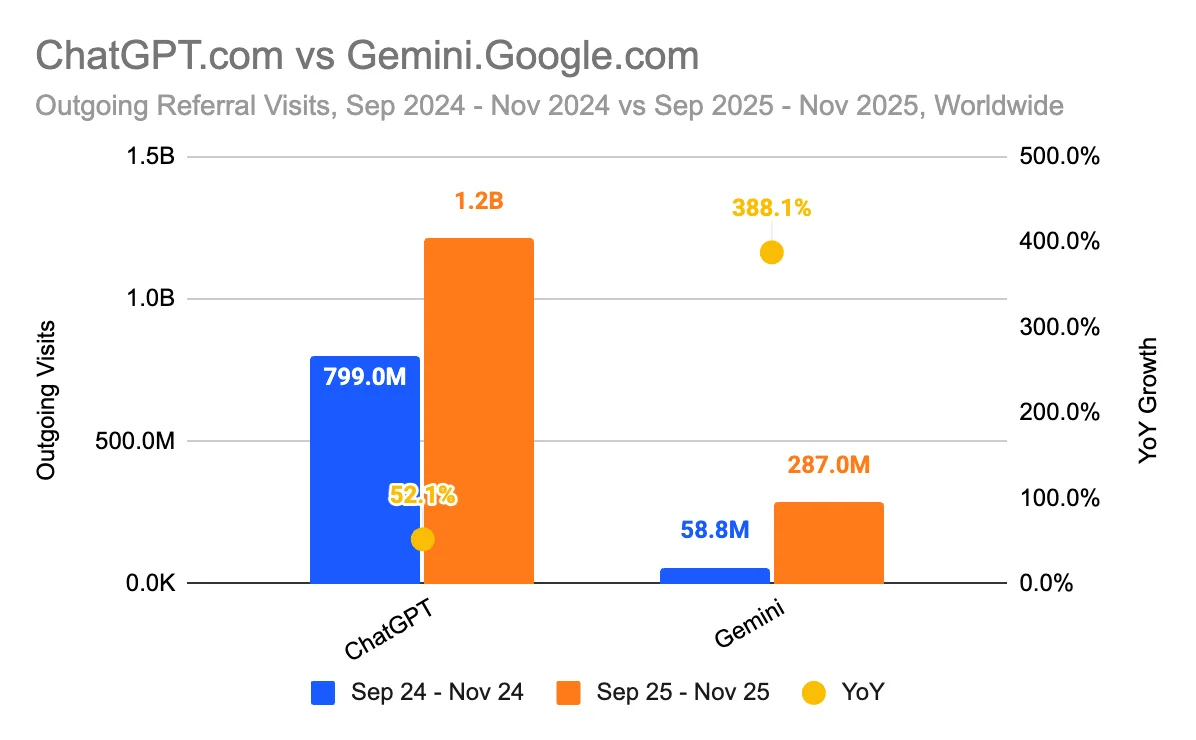
When the interface itself is the answer, “click” becomes a weaker proxy than it already was. A user can read a recommendation, internalize it, and act later through another path: brand search, direct visit, app download, retail store visit, a conversation with a sales rep, a purchase through a marketplace, or a long-tail conversion that shows up weeks later in a CRM.
Early coverage suggests advertisers should expect limited native reporting at first, with high-level metrics like impressions and clicks and minimal insight into the rest of the journey. The risk is predictable: a new “walled garden” dynamic, where the most valuable part of the user journey happens inside a black box.
That creates a familar trap:
- Teams pay premium rates to be “present” in a high-trust interface.
- Early dashboards show activity (views, clicks).
- The organization slowly treats “presence” as performance because it lacks better evidence.
- Budgets expand before anyone can prove incremental impact.
If you’ve lived through this cycle in social or retail media, you already know how it ends: the channel becomes “important,” spend grows, and accountability becomes a quarterly argument.
The smarter move is to treat measurement as part of the buy, not something you tack on after the pilot.
Answer Engine Optimization is not SEO rebranded. It’s product truth, made legible.
A lot of commentary has started using “AEO” (Answer Engine Optimization) to describe how brands show up in AI-driven responses, and it’s a useful shorthand for what’s changing. In practice, success looks like being the most “recommendable” solution when prompts get specific and complex. Here’s the practical translation: conversational systems prefer clean inputs. They perform best when your brand information is structured, consistent, and easy to interpret.
This is where many marketing teams will overcomplicate the work. They’ll assume they need prompt tricks or “AI-first” copy. In reality, the boring fundamentals matter more:
- Plain-language product specs
- Clear policies (shipping, returns, eligibility, pricing rules)
- Consistent naming and categorization across channels
- Pages that answer the questions customers actually ask
- Structured data where it genuinely applies
Google’s guidance to site owners around AI features keeps returning to that same theme: build content that is accessible, useful, and eligible to be included in AI-driven experiences. The takeaway is not “do SEO harder” but to “make your product truth easy to quote.”
If conversational discovery becomes a mainstream behavior, your website stops being a destination and becomes a source.
📌 A quick litmus test: if an AI assistant summarized your offering in two sentences, would it be accurate? Would it capture your actual differentiators, or would it default to generic category language that makes you interchangeable?
If you don’t like the answer, your information probably isn’t clear or consistent enough for these systems to interpret, and that’s what needs fixing.
Trust becomes a channel constraint
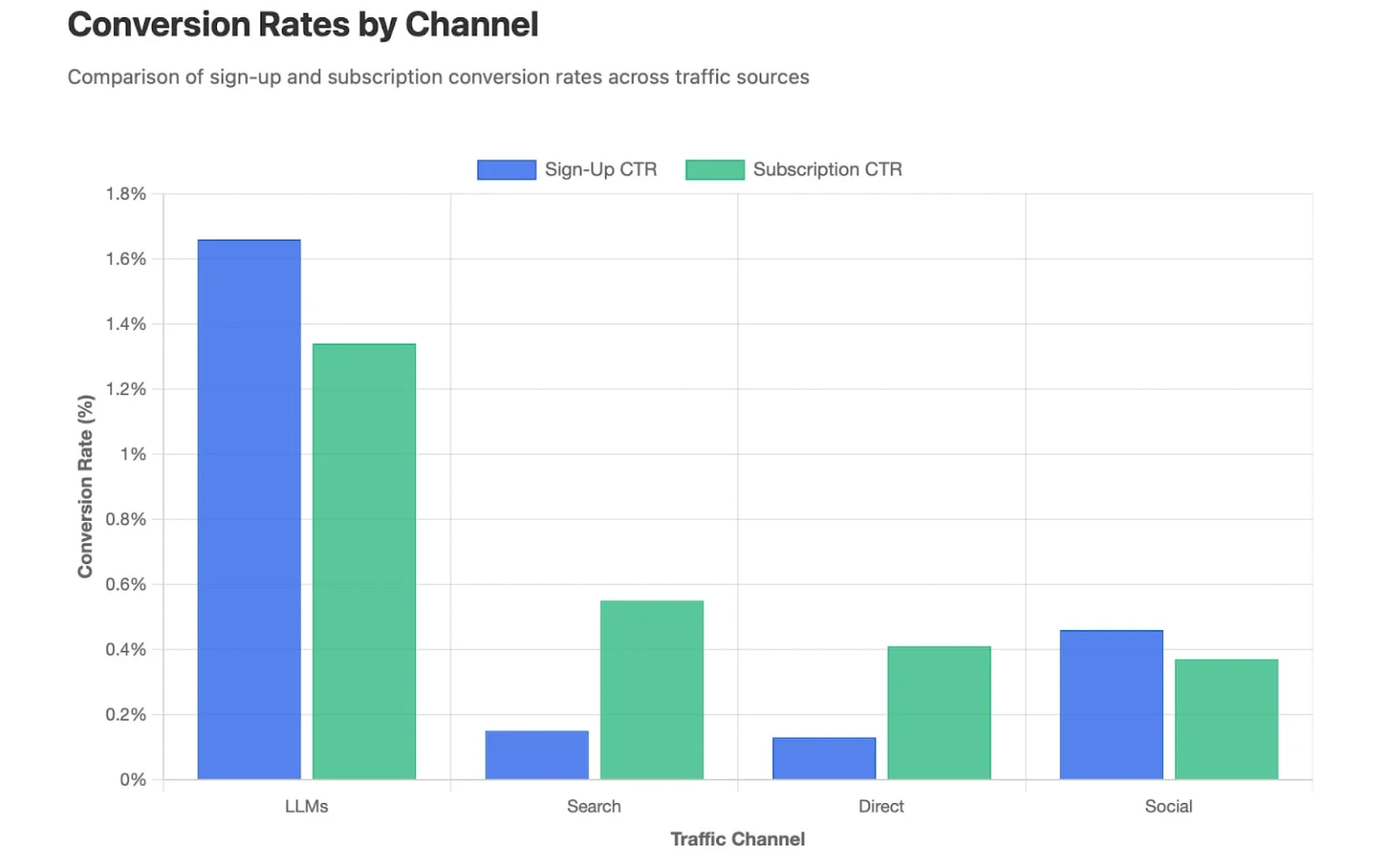
OpenAI is emphasizing “answer independence,” clear labeling, and privacy boundaries, including not selling conversation data to advertisers. The product runs on trust, so if the experience ever starts to feel like pay-to-win recommendations, users will notice immediately.
For advertisers, that means this is not a channel where you can rely on aggressive persuasion patterns and hope optimization saves you. The creative and the offer have to survive a higher standard of scrutiny.
The interesting part is that this pressure doesn’t stop at brand safety in the classic sense (avoiding objectionable adjacency). It extends into answer integrity: the alignment between what you claim, what your product actually delivers, and what a user will experience after they engage.
In an interface where the user is asking for advice, exaggeration lands differently. You’re not just “marketing.” You’re inserting yourself into a quasi-advisory moment. That changes the tolerance for ambiguity.
If you want to be effective in answer environments, your messaging needs to be less theatrical and more precise. Not because regulations suddenly changed, but because user expectations did.
The Open Garden mindset
There’s a reason to frame this shift through an “Open Garden” lens. When a new channel starts expensive and opaque, the only defensible posture is to make measurement portable and verification independent.
That is the Open Garden mindset: you don’t accept a platform’s internal reporting as the final word on performance, especially when the platform controls both the exposure and the story about what exposure meant.
Open Garden is an alternative to restrictive, siloed ecosystems—built around transparency, DSP-agnostic execution, and cross-platform visibility. In this context, that philosophy maps cleanly to how marketers should approach answer-engine advertising:
- Separate exposure from impact. Treat ad delivery as a distribution event, not a performance outcome.
- Design lift tests that don’t depend on the platform. Brand lift, matched-market experiments, incrementality frameworks, and CRM-informed measurement become table stakes when native reporting stops at clicks.
- Keep your learning transferable. If your insights only exist inside one platform’s dashboard, they’re not an asset. This is the part most teams skip. They treat the test as “media innovation” and forget it’s also a measurement design problem. In the answer era, those two things are the same.
How to prepare for 2026 without betting the year on a pilot
If you’re a CMO or agency leader, the goal is not to “win ChatGPT ads.” The goal is to be ready for a world where conversational decision-making is normal and paid placements become one of several ways brands show up inside that flow.
Here’s a practical 90-day plan that doesn’t require hype or heroics.
1) Audit your conversational presence
Ask a few leading AI assistants to describe your brand—and your closest competitors—based on common, high-intent prompts in your category. Then document where the answers feel incomplete, inaccurate, or generic.
This sounds simple, but it’s revealing. You’ll usually find one of three issues:
- The system falls back on generic category language that makes you sound like everyone else.
- It pulls outdated details (pricing, availability, product line changes).
- It misses your real differentiators because your own content doesn’t express them clearly.
The output isn’t “truth,” but it’s a diagnostic for what the ecosystem currently understands and where your information is failing to travel.
2) Build a “machine-readable truth set”
Don’t treat this like a content project. Treat it like brand infrastructure.
Create a source of truth for the facts you want answer systems to get right:
- Product and service definitions
- Constraints and eligibility (who it’s for, who it’s not for)
- Pricing logic, not just pricing tables
- Proof points that can be validated (case studies with specifics, not slogans)
- Updated policies and operational details
Then make sure your owned properties reflect it consistently. Structured, factual information—and the right schema where it applies—makes it far easier for answer engines to parse what you do and recommend you accurately.
3) Define success before you spend
If the only metrics you can get from a platform are impressions and clicks, you need a parallel measurement layer that answers business questions.
For most brands, that means defining a small set of outcomes you can observe elsewhere:
- Branded search lift
- Direct traffic lift
- Lead quality changes
- Conversion rate changes among exposed audiences (where you can observe them)
- Incremental revenue signals in CRM or sales data
Without that, you’re just buying visibility and hoping.
4) Treat creative as a product experience, not a banner
In conversational environments, the ad unit is sitting next to an answer that feels like advice. Your creative has to respect that context.
The best-performing messages in this type of placement will likely share a few traits:
- They are specific (who it’s for, what it does, what happens next).
- They avoid vague superlatives.
- They reduce risk for the user (clarity on pricing, eligibility, timing).
- They land on pages that continue the conversation rather than restarting it.
Premium CPMs plus weak measurement is a dangerous setup for generic creative.
5) Don’t confuse “early” with “advantaged”
A premium minimum commitment can buy access, but learning still depends on whether the spend can be tied to incremental outcomes. Without that link, it’s less a channel test and more a sponsored moment.
The advantage will go to teams that run disciplined experiments and keep the learning portable across platforms and formats.
Closing: the new job is proving influence
The search bar isn’t disappearing tomorrow. But the default path to a decision is changing, and paid media will follow it.
Answer environments will reward brands that are easy to interpret, easy to trust, and easy to validate. They will punish brands that rely on ambiguity, inflated claims, and measurement shortcuts.
If anything in this shift feels familiar, it should. We’ve seen what happens when platforms own the interface, the data, and the definition of success. The difference now is that the interface is not a feed or a results page. It’s an answer.
That raises the stakes. It also clarifies the assignment: build for recommendation, buy with discipline, and measure in a way you can defend, even if the platform can’t hand you the proof.
If this resonates and you want to pressure-test your readiness for conversational discovery, we’re always up for a direct, productive discussion, especially if you’re trying to run a small, structured test that produces measurable learning you can apply across channels.