
Static banners still have their place, but they’re easy to scroll past. Rich media ads—expandable banners, interactive video, AR lenses, playable units—add movement, interaction and personalization to the same inventory you already buy. These don’t just look better; they give you more ways to earn attention, understand it and turn it into performance.
At the same time, targeting and measurement are changing fast. As third-party cookies lose value and more budget flows into programmatic, marketers are under pressure to prove what each impression actually did. Rich media display ads help here because they don’t stop at “was the ad seen?”—they tell you who hovered, swiped, expanded, played, shopped or completed an interaction. That extra layer of behaviour makes your optimization, attribution and creative decisions sharper.
This article walks through what rich media advertising is, how it stacks up against traditional display, and the 10 formats worth building into your next media plan. For each one, you’ll get a clear explanation, practical benchmarks, real-world use cases and ideas you can brief in tomorrow—so you can move from static banners to interactive formats with a clear sense of when and why they pay off.
💡 For a primer on native advertising, please see: Native advertising: a complete guide for marketers in 2026
What is rich media advertising?
Rich media advertising is any digital ad that lets users interact with it, rather than just view it.
⚡ If people can only look at it, it’s display. If they can do something with it, it’s rich media.
The IAB defines rich media as ad formats that users can interact with, in contrast to ads that are simply animated. In practice, that includes:
- Display units that expand, slide or respond to hover/click
- Video with clickable hotspots or branching choices
- AR/VR experiences, 360° views and virtual try-ons
- Carousels, product configurators, quizzes, mini-games and shoppable overlays
Google frames it similarly: rich media ads include advanced features like video, audio and other elements that encourage viewers to interact with the content.
So when we talk about rich media display ads or rich media banner ads, we’re really talking about a spectrum:
- From a standard IAB banner that expands on click
- To a fully interactive CTV ad that lets viewers browse products on the big screen
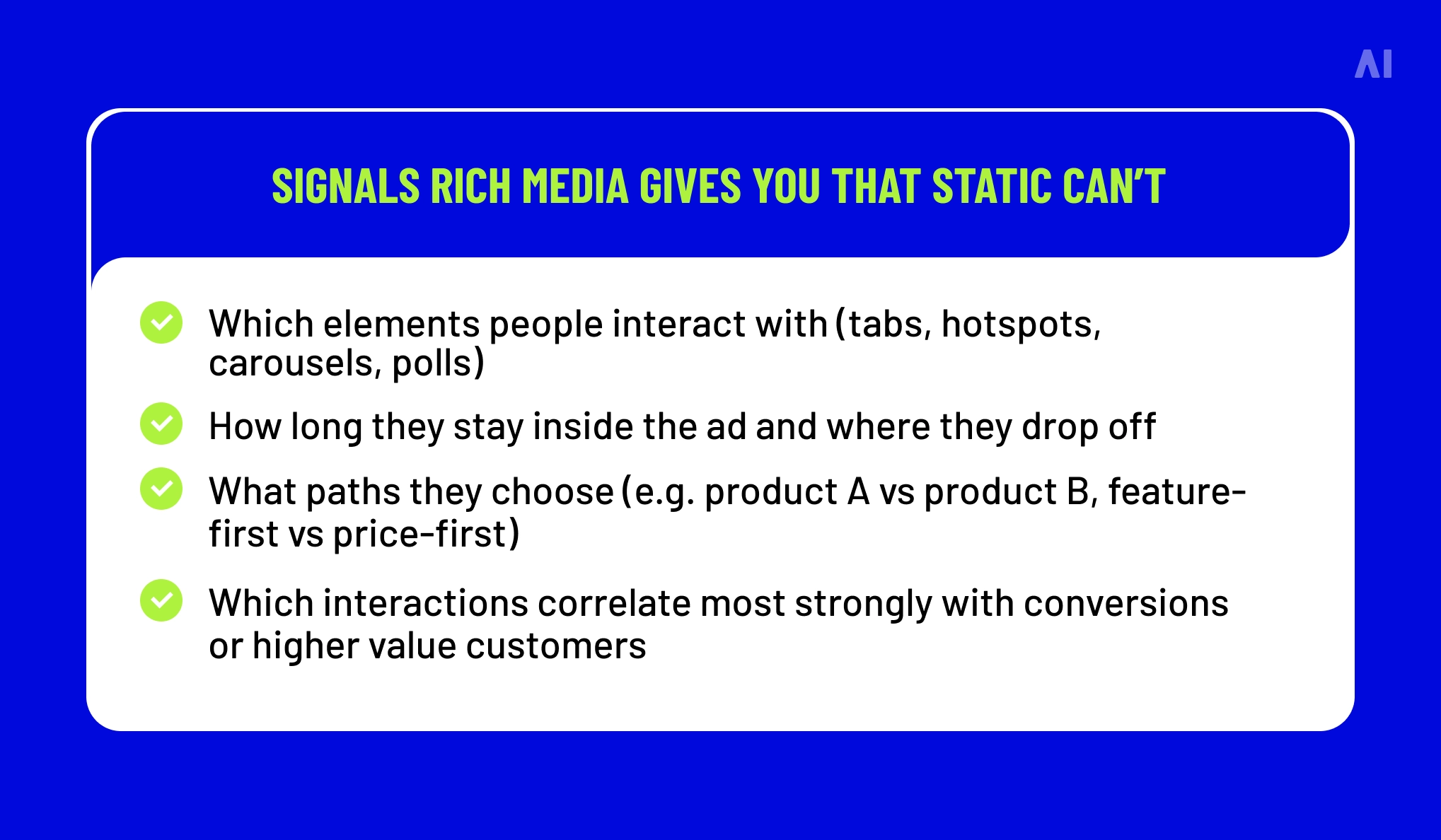
Rich media also unlocks richer tracking. Instead of just impressions and clicks, you can log:
- Expands, hovers, swipes, plays, pauses
- Time spent in the unit
- Which products, scenes or features users explored
💡 If you want a deeper technical dive into formats and measurement, as well as a proper ‘rich media ads definition’, this article sits alongside our guide: What are rich media ads? And how to boost site profitability with them.
Rich media ads vs traditional display
Standard display still does a job: cheap reach, broad coverage, simple creative. Rich media adds another layer: interaction, time spent and richer signals you can plug into optimization.
Let’s look at the comparison along four practical dimensions.
1. Engagement and viewability
Average CTR for static display remains low. Recent benchmarks put traditional banners around 0.1% CTR, while rich media banners typically sit higher, often in the 0.14–0.44% range. Other analyses show that rich media banners can deliver CTRs up to 267% higher than standard banners, depending on format and placement.
The gap widens further when you look at interactive video and CTV:
- Interactive CTV formats can generate 10x the engagement rate of standard video and add ~92 seconds of extra engagement time on top of pre-roll.
- Interactive CTV ads drive more than a 600% lift in engagement versus standard pre-roll.
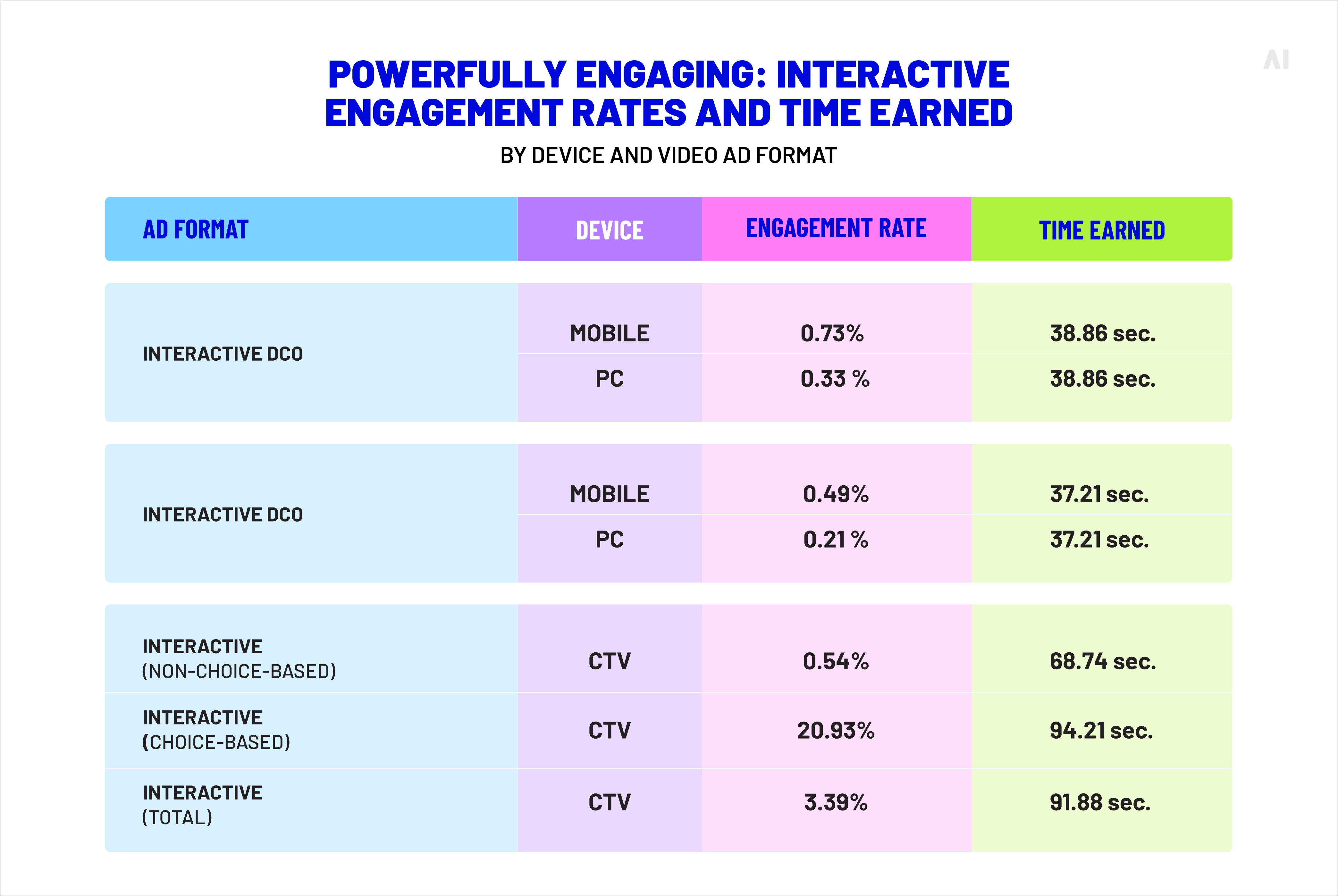
That difference is the core value of rich media: you’re no longer just buying impressions; you’re buying interaction.
⚡ Rich media isn’t a prettier banner. It’s a way to buy time and intent instead of just pixels.
2. Creative flexibility
Static display can show an image, headline and CTA. Rich media formats let you:
- Tell longer stories (e.g. carousels, expandable banners)
- Showcase product depth (e.g. 360° views, configurators)
- Offer utility (e.g. calculators, interactive infographics)
- Let people try your product (e.g. AR try-ons, playable demos)
The IAB’s newer ad portfolio and guidelines explicitly accommodate rich media features—expansion, video, animation, AR/VR—within standard ad units, making them easier to deploy at scale.
3. ROI and performance tracking
Because rich media captures more signals, you can:
- Optimize toward interaction rate, dwell time or completion, not just CTR
- See which scenes, products or choices correlate with conversions
- Build smarter retargeting segments based on what people did inside the ad
A few examples of the performance upside:
- Playables: in mobile, playable ads have shown 3× higher conversion rates than traditional video ads in some non-gaming campaigns.
- AR ads: Snapchat reports AR executions generating around 12.6 seconds of active attention vs 2.3 seconds for standard mobile in-feed, with corresponding lifts in short-term brand choice and long-term loyalty.
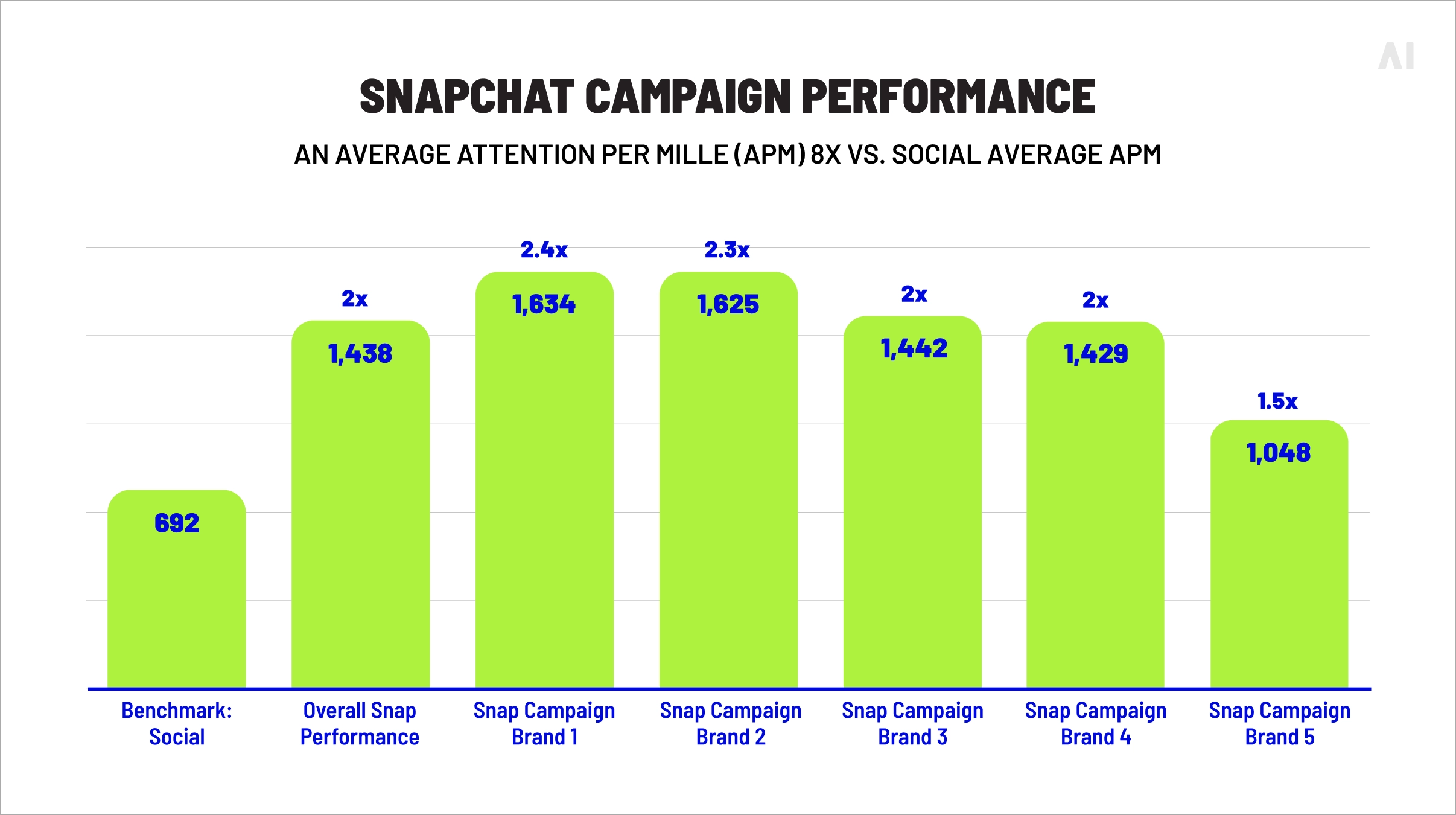
Those extra seconds and richer signals often show up as lower CPAs or higher ROAS when you benchmark against flat JPG banners.
4. Programmatic compatibility
Rich media used to mean custom builds and direct-sold inventory. That’s changed.
Most rich formats now ship as:
- HTML5 creatives via standard ad servers
- VAST/VPAID or newer interactive video wrappers for OLV/CTV
- Native units integrated into SSPs and social APIs
The IAB and major platforms have aligned specs so that rich media display ads can run programmatically across exchanges, not just through one-off publisher deals.Interactive CTV formats, shoppable overlays and dynamic creative are now supported by leading DSPs.
So from a media buying perspective, rich media isn’t a special case. It’s another lever you can pull inside your usual programmatic, OLV and social buying stacks.
⚡ If a placement can serve HTML5, video or native, it can probably run rich media—you just need the right specs and tags.
Quick comparison: rich media vs traditional display
To make the differences even clearer, it helps to see rich media and traditional display side by side. The table below compares them on the things that matter most in planning—how people interact with them, what you can measure, and how easily they fit into your existing buying and optimization workflows.
{{Best-10-Rich-Media-Ads-1="/tables"}}
Top 10 rich media ad formats
Rich media formats are most useful when you match them to a clear objective: do you want time spent, qualified leads, direct sales, or upper-funnel brand impact?
The 10 formats below cover a full-funnel toolkit. Each is widely available through major platforms and ad servers, and each comes with practical ways to measure success.
You’ll also see how they fit a transparency-first, Open Garden approach like AI Digital’s, where creative, media and data are tightly connected.
💡 For more on that philosophy, see How AI Digital became the transparency leader of programmatic advertising.
{{Best-10-Rich-Media-Ads-2="/tables"}}
⚡ Pick formats based on the job you need them to do, not on what looks flashiest in a mood board.
1. Expandable banners
Expandable banners start life looking like a standard display unit—say a 300×250 or 970×250—then grow when the user interacts. The expand can happen on click/tap or hover, and the expanded state can host video, galleries, product cards, forms, or even simple configurators.
From a media buying perspective, they still use familiar IAB sizes and can be trafficked through standard ad servers. The difference is the second state: a larger canvas (sometimes full-width) that only appears for people who show intent.
⚡ Think of expandables as landing pages that never make users leave the page they’re already on.
Why they work
Expandable banners perform well because they interrupt the scroll in a controlled way and reward curiosity. Once someone notices the unit, the expanded state gives you a second chance to explain and persuade.
- They fight banner blindness. People tune out static banners; interactive formats that expand on demand tend to earn more active attention.
- They boost CTR. An Adform study found that static banners averaged 0.12% CTR, while rich media formats (including expandables) reached 0.44% uplift.
- They’re flexible. You can tell a quick story in the collapsed state (headline + visual) and then unpack detail in the expansion.
Typical performance and metrics
When you report on expandable banners, it helps to zoom in on how many people chose to engage and what they did in the expanded panel. These are the core numbers most teams watch:
- Expand rate: percentage of impressions where users triggered the expansion
- Engagement time: how long users stayed in the expanded panel
- Secondary actions: clicks on tabs, video plays, product hovers, etc.
Many campaigns see expand rates in the low single digits, but those interactions are high intent: users who expand often spend several seconds inside the unit and are much more likely to click through than average viewers.
Real-world example: BMW “Re:Fresh” rich media banners
One BMW campaign promoting a “change your car every 12 months” offer used interactive rich media banners with multiple “pages” inside a 300×600 and 970×250 unit. Each page highlighted different models; clicking a model opened more information before sending users to the site.
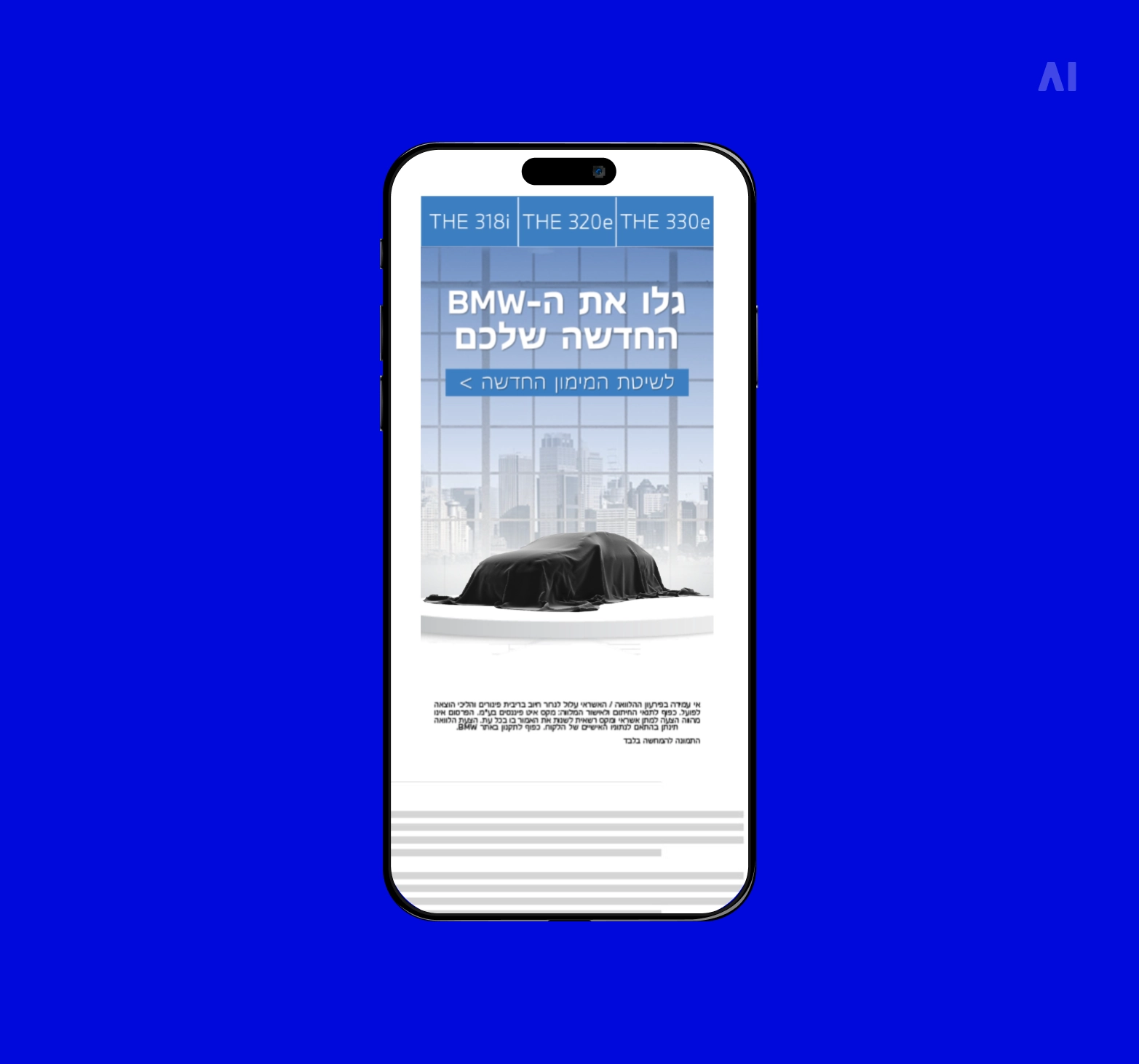
This kind of execution turns a standard skyscraper into a mini showroom:
- Collapsed state: simple offer message and brand imagery
- Expanded state: model carousel with specs and CTAs
According to multiple rich media providers, automotive clients like BMW consistently see higher interaction and post-click engagement from these formats than from static banners, because users can pre-filter models and offers in the ad itself.
{{Best-10-Rich-Media-Ads-3="/tables"}}
Best practice tips
To make expandables pay off, treat the expanded state like a compact landing page rather than an afterthought. A few practical habits go a long way:
- Make the collapsed ad do a real job. Treat it as a standalone banner with a strong message and CTA, not just a teaser.
- Design the expanded state like a mini landing page. Clear hierarchy, limited choices, obvious next steps.
- Use polite expansion. Avoid auto-expanding on load—it tends to annoy people and can hurt brand perception.
2. Interactive video ads
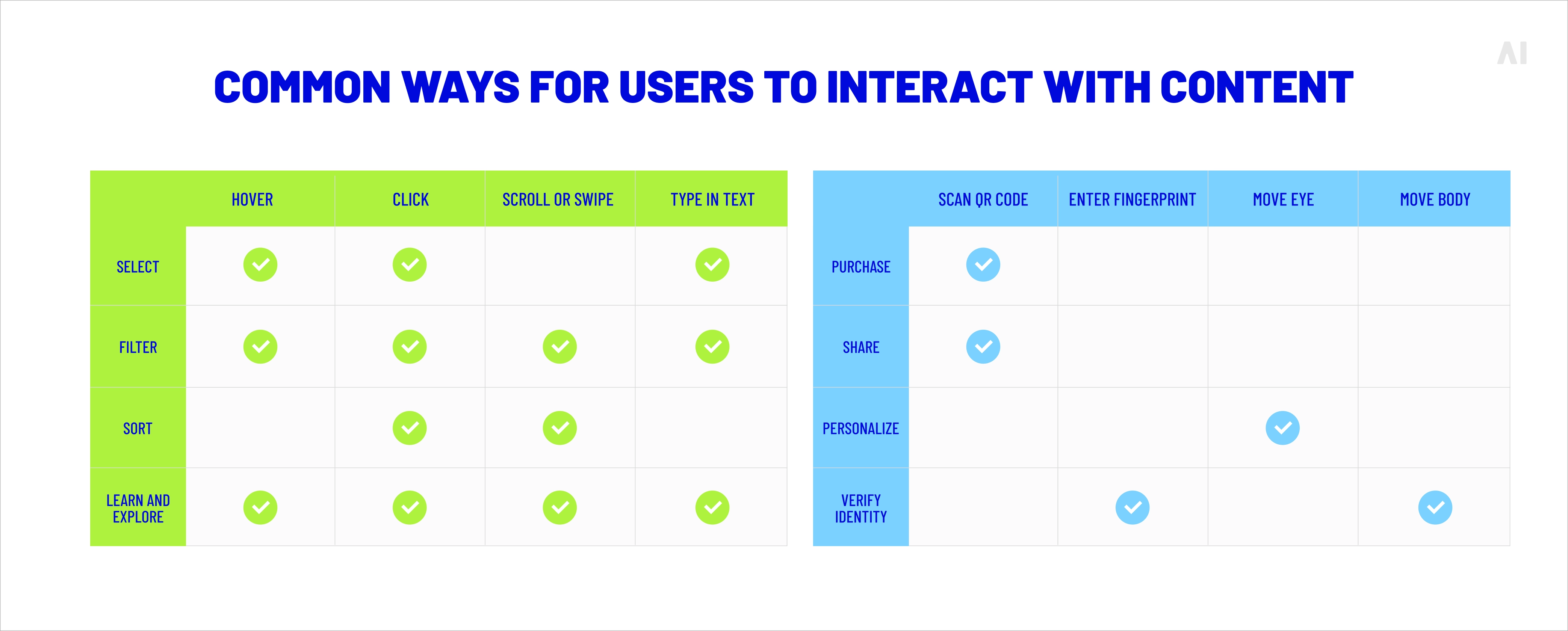
Interactive video ads take standard pre-roll or mid-roll and add clickable or tappable elements: hotspots, product cards, branch choices, polls, overlays, and QR codes. They can run as online video (OLV) across desktop and mobile or as interactive CTV units on streaming platforms.
The basic idea: instead of just watching, viewers can do things inside the video—learn more, choose content, or shop.
⚡ The moment someone clicks inside your video, it stops being a view and starts being a behaviour you can learn from.
Why they work
Interactive video works because it turns a passive viewing moment into an active choice. Instead of just counting views, you’re inviting people to lean in, click and explore.
As mentioned earlier, Innovid’s CTV creative benchmarks have shown that interactive CTV formats can deliver: 600%+ higher engagement vs standard, non-interactive pre-roll and completion rates above 95% on average.
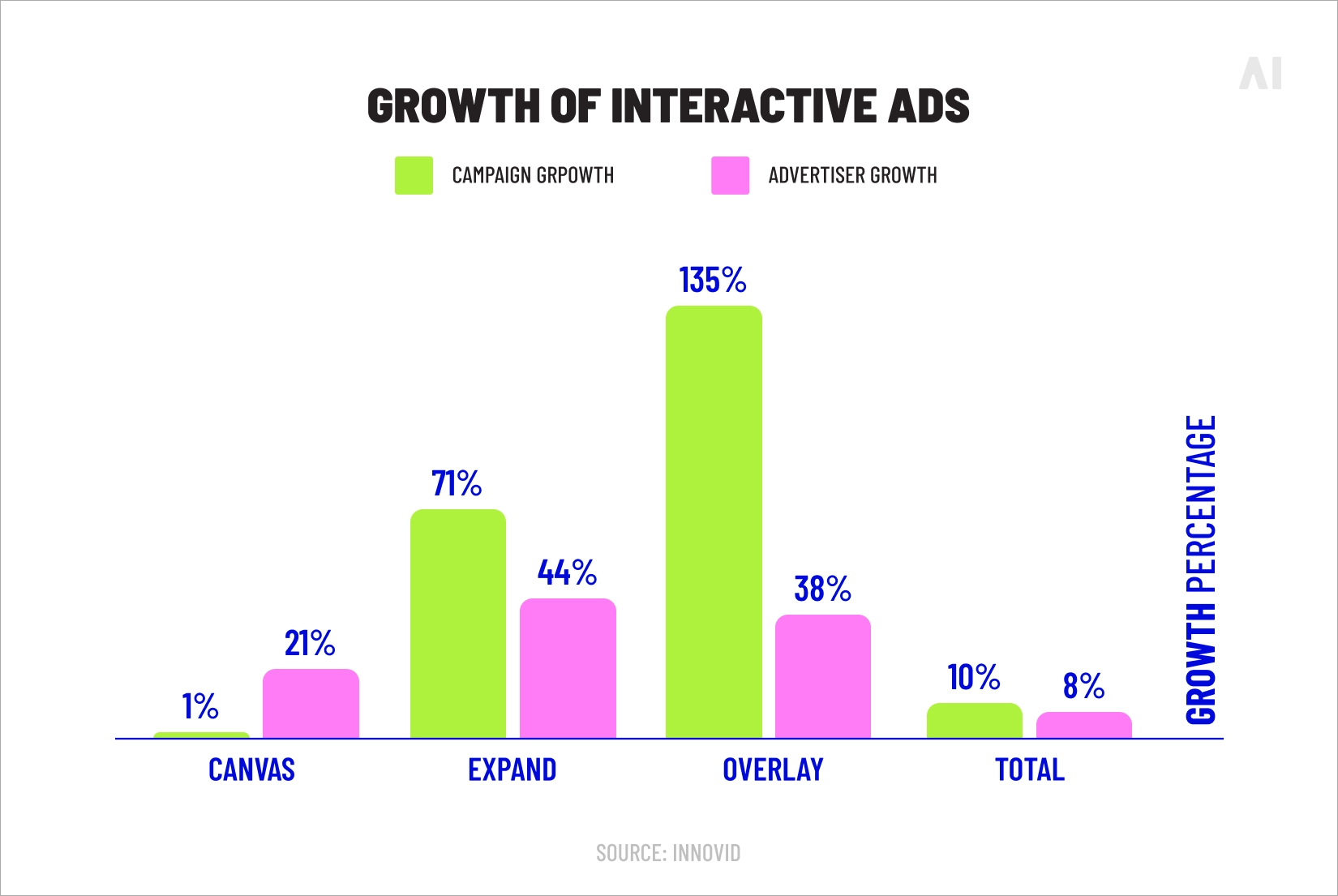
Separate shoppable/interactive video analyses report significantly better performance over standard formats:
- Amazon Ads reports that streaming TV ads with interactive overlays delivered 4.1× more add-to-carts and 1.7× more orders than non-interactive streaming TV creative.
- HubSpot’s 2024 video research cites experts expecting interactive video to generate up to 5× more engagement and around 30% higher conversion rates than traditional linear video.
Real-world example: BMW interactive video “showroom”
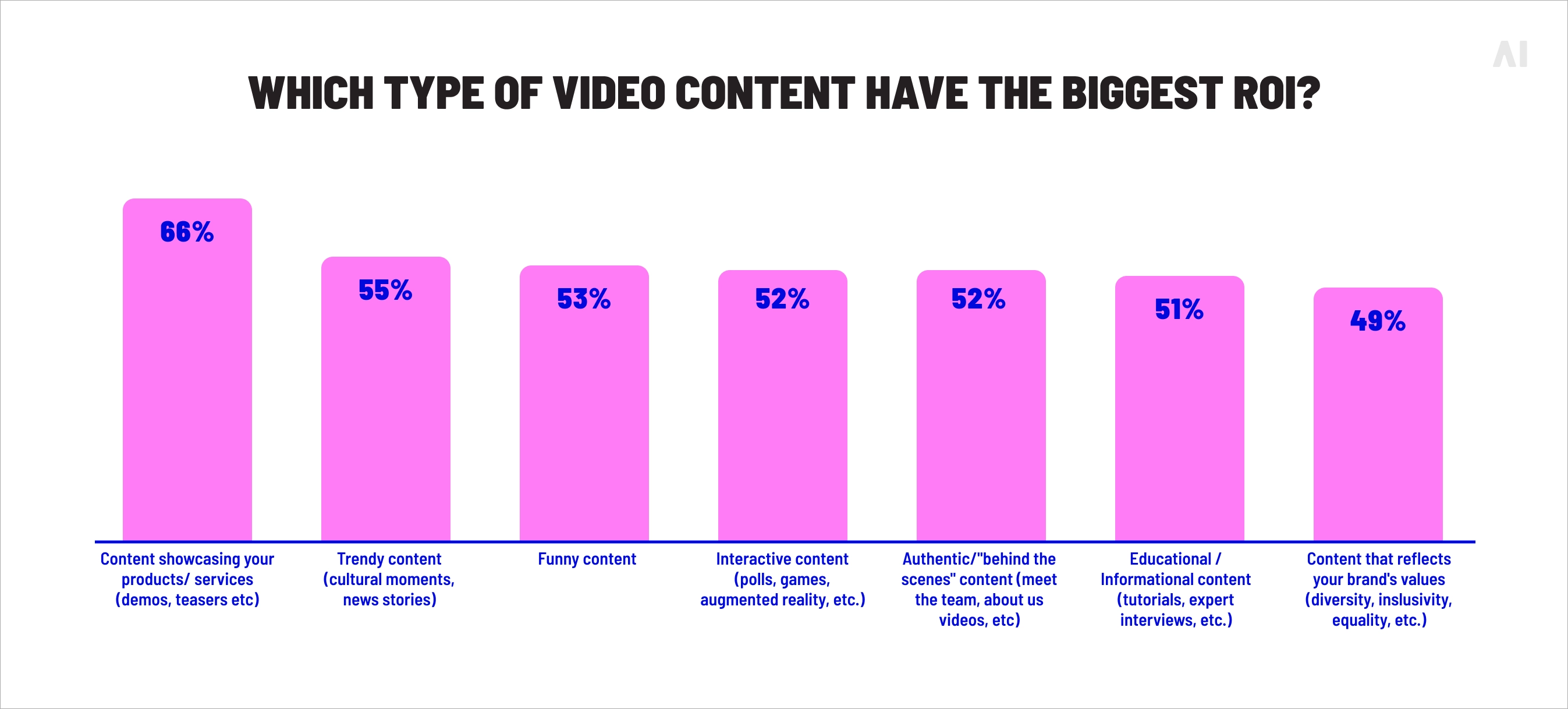
For an EV launch, BMW and agency partners built an interactive video “showroom” experience where viewers could click different parts of the car to see overlays about features, specs and pricing, each with CTAs back to the BMW site. The format generated significantly higher engagement rates (e.g. +33% engagement in one Smartzer campaign) compared with non-interactive video.

Best practice tips
The best interactive video campaigns feel simple and obvious to use, even if the tech behind them is complex. These guidelines keep the experience intuitive and effective:
- Signal interactivity visually. Use labels, subtle motion, or icons so people know they can click or tap.
- Keep choices simple. A few clear hotspots or paths beat a cluttered overlay.
- Measure beyond views. Track interaction rate, time spent, and which elements people use, then feed that data back into creative iterations and audience building.
💡 For more on OLV & CTV, explore our dedicated guides: OLV advertising: a complete guide to boosting engagement n 2026 & Connected TV Advertising in 2025
3. Carousel (swipe) ads
Carousel ads are swipeable units with multiple “cards”—each card can have its own image or video, headline, description, and landing page. They’re native to Meta (Facebook/Instagram), LinkedIn, and some programmatic placements, and they’ve become one of the most reliable rich media examples for ecommerce and performance campaigns.
Why they work
Carousels shine when you have more to show than fits in a single frame. By letting people swipe at their own pace, they act like a mini catalogue or storyboard inside one placement.
Meta’s own analysis of the carousel format found that (across advertisers):
- Carousels delivered 3× more conversions and 85% better CTR in some campaigns compared with other formats using the same audience and budget.
- Across many campaigns, carousel ads often cut CPC by 20–30% and CPA by 30–50% compared with single-image link ads.
Third-party analyses back this up: one 2024 review found Facebook carousel ads generating roughly 35% more clicks than single-image ads and 30% more than video in like-for-like tests.
⚡ Treat each card like its own ad—weak links in the sequence drag down the whole carousel.
Real-world example: ecommerce brands with carousel ROAS lift
Meta’s case studies include retailers who shifted from single-image to carousel ads to show multiple products.
- For instance, a children’s apparel brand, SpearmintLOVE, used Instagram carousel ads to showcase multiple products in a single unit. According to Instagram’s own year-in-review, this approach helped the brand achieve a 33.8× return on ad spend and cut cost per purchase by 47%, compared with its previous campaigns.

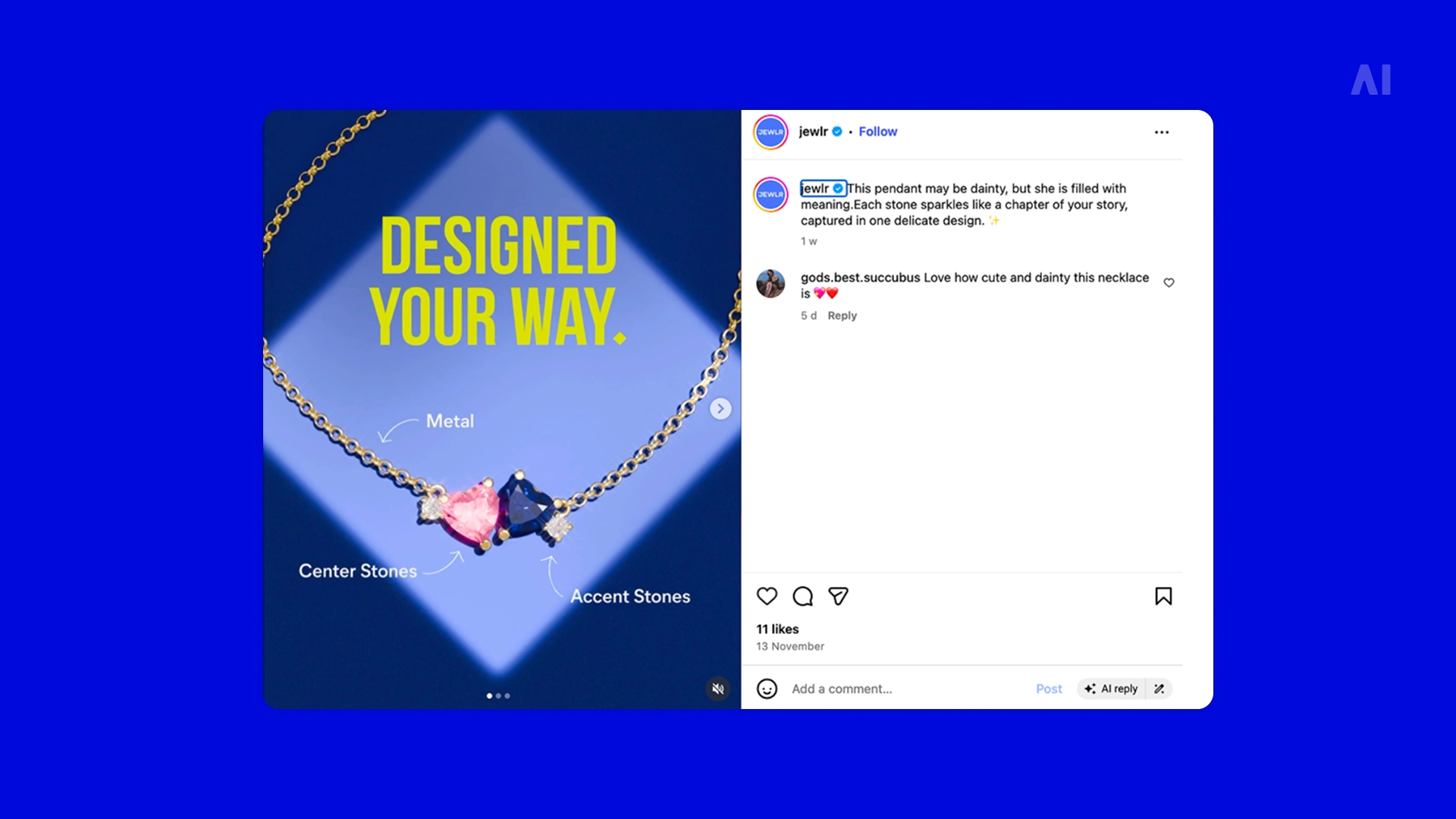
- Jewellery retailer Jewlr used dynamic Instagram carousel ads to promote products directly from its catalog. In an official Instagram for Business case study, the brand reports a return on ad spend of more than 3× from these dynamic carousel campaigns.
Best practice tips
Strong carousels are built card by card, not just as a single creative file sliced into pieces. Use these principles to keep the whole unit working as one coherent story:
- Make the first card count. Treat it like a standalone ad that must win the scroll.
- Give each card a job. For example: “Problem → Solution → Social proof → Offer → CTA” or separate product categories.
- Use deep links. Link each card to the most relevant landing page to boost post-click performance and ROAS.
4. Playable & gamified ads
Playable ads are bite-sized interactive experiences that let people “try before they buy”—originally famous in gaming, but now used by retail, finance, education and more. Gamified ads use similar mechanics (points, challenges, rewards) even if they aren’t literal games.
Think of a playable ad as a 30–60 second demo that runs in a banner or interstitial: tap to play, complete a challenge, then see a reward or CTA.
Why they work
Playables and gamified units work because they trade attention for participation. When the ad itself is fun or useful, people stay longer and the clicks you get are more qualified.
Recent analyses show strong advantages:
- Liftoff reported that playable ads can deliver conversion rates up to 32% higher than video ads, partly because users opt in and self-qualify by interacting.
- A 2024 creative index found impression-to-install rates for playables up to 8× higher than non-playable creatives across mobile campaigns.
- Other industry reports have seen playables driving 20× more installs than static banners in app marketing, especially in gaming.
⚡ If the game doesn’t naturally lead to your product, it’s a gimmick, not a playable.
Real-world example: Burger King “Whopper Detour” (gamified + location)
While not a classic playable in the mobile game sense, Burger King’s “Whopper Detour” is a powerful gamified ad example:
- The app promoted 1-cent Whoppers when users came within ~600 feet of a McDonald’s.
- The promotion drove 1.5 million app downloads in 9 days, became the #1 app in both major app stores, and delivered billions of impressions and a 37:1 ROI according to post-campaign analysis.
The underlying principle — turning media and mobile interaction into a game with a clear reward—translates directly into gamified rich media ads.
Other examples: playable demos for non-gaming
Non-gaming brands use playables for product education:
- Fintech brands have tested mini “budgeting challenges” as playable ads, where users adjust sliders to see how much they could save, then click through to open an account.
- E-learning apps use interactive quizzes inside ads; users answer a few questions, see a score, then get a CTA to unlock the full course. Case studies compiled by mobile ad platforms show notable lifts in install and subscription rates when using quiz-style playables vs static video.
Best practice tips
With playables, small creative decisions have a big impact on completion and conversion. These rules help you keep the experience light, fast and tied to your actual offer:
- Keep the mechanic intuitive. One instruction line at most; people should understand the game in a second or two.
- Tie the gameplay to the value prop. Avoid gimmicks that have nothing to do with your product.
- Reward completion. Offer a discount, bonus, or personalized recommendation at the end of the experience.
5. 360° & Immersive (AR/VR) ads
Immersive formats—360° visuals, AR (augmented reality) and VR (virtual reality)—let people step inside a scene or place your product into their own environment. This is one of the most striking families of rich media ads examples, and it’s now mainstream thanks to Snapchat, Instagram, TikTok and WebAR tools.
Why they work
Immersive formats excel at showing context—how something looks, fits or feels in a real-world setting. That sense of “being there” is what pushes attention and intent beyond what flat media can do.
Snapchat’s multi-brand attention research with Amplified Intelligence and OMD found that:
- Users spent an average of 12.6 seconds actively looking at AR ads, compared with 2.3 seconds for standard mobile in-feed.
- AR Lenses delivered 5× higher active attention than competing social in-feed formats and were actively watched 81% of the time they were on screen.
- The same work reported a 53% increase in short-term likelihood to buy and 31% increase in long-term brand loyalty vs non-AR ads.
Those are huge gains in both attention and brand impact.
Real-world example: AR try-ons in beauty and fashion
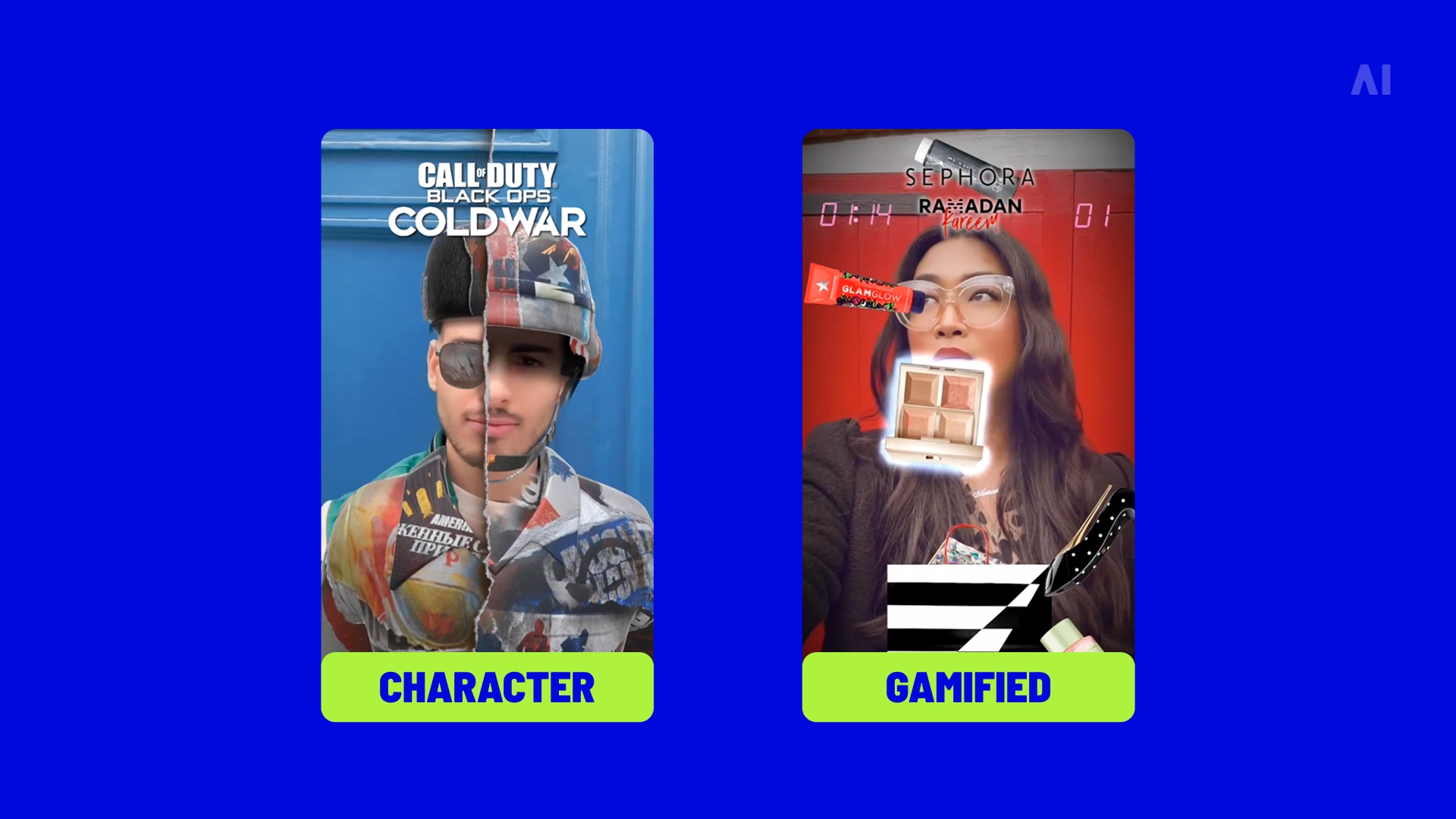
Beauty and fashion brands like MAC, Sephora and Gucci have used AR try-on lenses and filters that allow users to:
- Change lipstick shades or eye shadow in real time
- See how glasses or hats look on their face
- Drop a handbag or sneaker model into their environment
Snapchat’s case studies highlight that AR try-on experiences significantly increase time spent with the brand and lift purchase intent and store traffic, especially for younger audiences who already use AR for fun.
Best practice tips
The most effective AR and 360° ads solve a specific problem for the user, not just show off a 3D asset. Use these checks to keep your ideas grounded and practical:
- Start with a clear use case. Try-on, sizing, placement or “see it in context” beats novelty effects.
- Make the entry frictionless. Simple “tap to try” or QR codes from CTV/digital OOH into AR.
- Measure more than clicks. Track dwell time, number of products tried, saves or screenshots, and subsequent purchases.
6. Shoppable ads
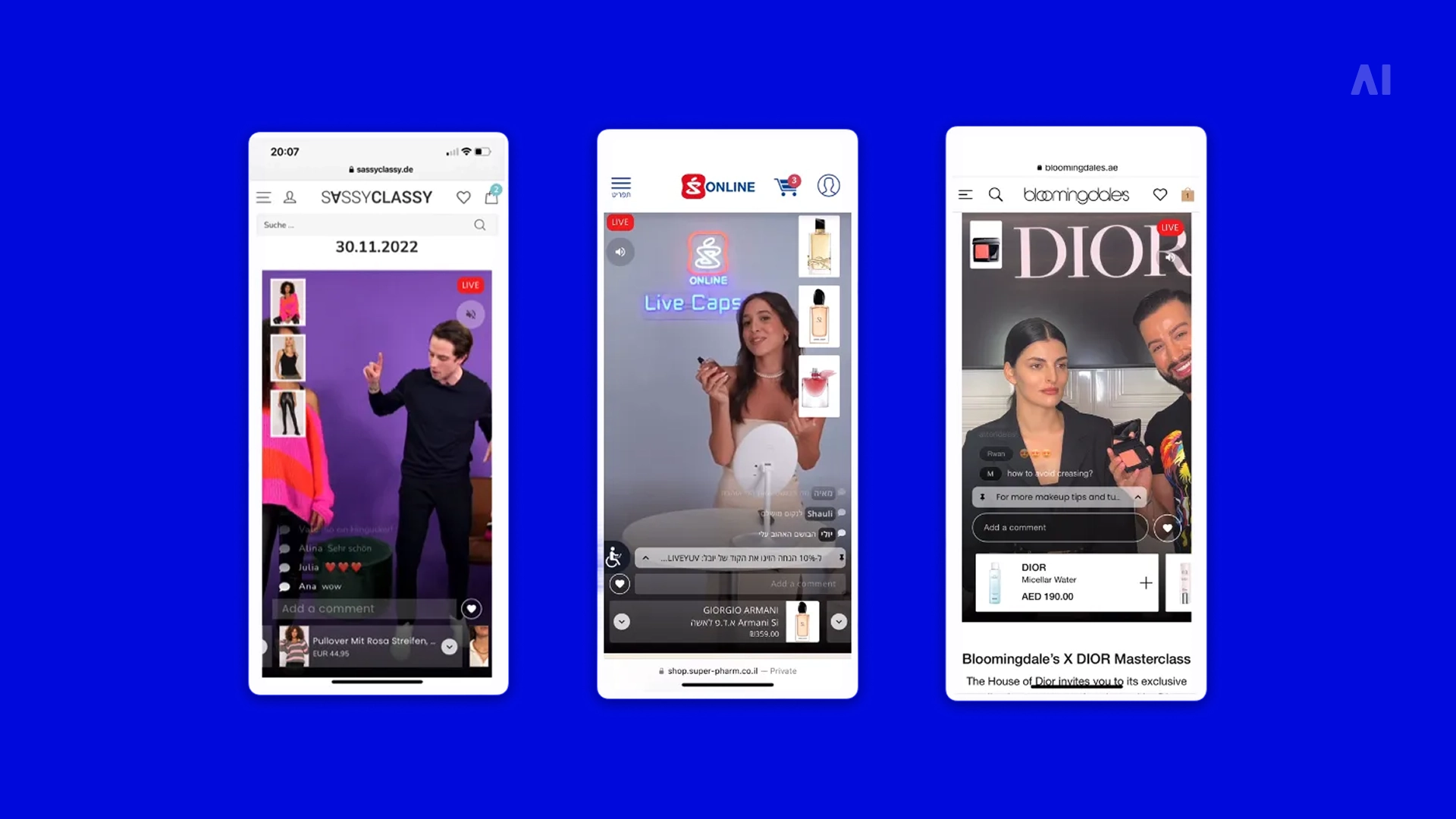
Shoppable ads allow people to move from discovery to purchase without breaking context. They overlay or embed product information and purchase paths directly into the ad:
- Social ads with product tags and in-app checkout
- Shoppable video with clickable product cards
- Display units that pull live product feeds with price and stock
They’re now core formats across Instagram, TikTok, Pinterest, YouTube and many retail media networks.
{{Best-10-Rich-Media-Ads-4="/tables"}}
Why they work
Shoppable ads are effective because they collapse the gap between inspiration and checkout. When discovery and purchase live in the same frame, fewer people fall out of the funnel.
⚡ Every extra tap between “I like this” and “I bought this” is a leak—shoppable formats simply plug more of them.
In short—shoppable video and interactive media bridge the gap between content and commerce:
- Video marketing research shows that shoppable video is already delivering higher conversion and click-through rates than standard display ads as users move directly from watching to buying.
- A 2025 roundup noted that interactive videos (including shoppable formats) can increase conversion rates by up to 70% and yield 3–4× higher engagement than non-interactive videos.
- Shopify-linked research on shoppable video reports some companies seeing conversion rates approaching 30% on shoppable experiences, far above typical display benchmarks.
Real-world example: TikTok Shop & shoppable short-form video
eMarketer reports that TikTok Shop generated around $19 billion in global GMV in Q3 2025 alone, powered heavily by shoppable short-form video where each product is tagged and purchasable in-stream.
Brands selling beauty, fashion and home products use creators’ videos as rich media ads examples: viewers see the product in use, tap a product card, and complete purchase without leaving the app.
Real-world example: Pinterest shoppable Pins
Pinterest’s performance marketing insights highlight that:
- “Buyable” and shoppable content formats have seen clicks and saves up 50% year-over-year, reflecting the platform’s role as a pre-shopping tool.
- In UK offline retail lift studies, Pinterest campaigns produced a statistically significant sales lift in 70% of cases, and some advertisers saw 21% higher overall sales lift and 8× higher spend per converted customer compared with other social platforms.
Best practice tips
To get the most from shoppable formats, you need both strong creative and clean commerce plumbing. These are the basics worth nailing before you scale spend:
- Align creative with shopping intent. Use clear product shots, price visibility, and explicit CTAs like “Shop now” or “View details”.
- Keep product feeds clean. Accurate pricing, stock status and titles are non-negotiable.
- Connect the dots. Use conversion lift studies or ROAS analysis to prove incremental value, not just last-click attribution.
7. Native rich media ads
Native ads match the format and feel of their host environment — news feeds, editorial modules, social timelines. Native rich media builds on that foundation with video, animation, interactive graphics, quizzes, or mini tools embedded in the content.
Think: a sponsored article with a scroll-triggered data visualization, or an in-feed unit that expands into a short interactive explainer.

Why they work
Native rich media works by matching the tone of the surrounding content while still giving people something extra to do—watch, scroll, compare, calculate or explore. That balance tends to earn more honest attention.
Native has strong evidence behind it:
- Outbrain and IPG Media Lab found that consumers look at native ads 53% more often than display ads and that native placements generate an 18% lift in purchase intent vs banner ads.
- IAB Europe and other sources report native ads generating 20–60% higher engagement than display ads and higher average CTR (e.g. 0.2–0.3% for native vs 0.05–0.12% for standard display).
When you layer rich media on top—video, animations, interactive graphs—dwell time often increases again.
Real-world example: NYT “How Y’all, Youse and You Guys Talk”
While not brand-sponsored, the New York Times’ interactive dialect quiz shows the potential of interactive native content:
- The quiz “How Y’all, Youse and You Guys Talk” became the most viewed NYT content of 2013 within 11 days, and one of its most popular pieces again in 2014.

For brands, similar quiz or assessment units can be sponsored rich media native ads, driving high engagement and first-party data collection.
Best practice tips
Native units live or die on the strength of the content. These pointers help keep your native rich media useful enough that people forget they’re looking at an ad:
- Lead with value. Native rich media should teach, entertain or help the reader, not just repeat your tagline.
- Make the interaction meaningful. Sliders, filters or videos should add clarity, not noise.
- Judge on time and quality, not just clicks. Look at scroll depth, time on page, and actions taken after reading (sign-ups, downloads, searches).
💡 For more on native video advertising, please see: Native video advertising: Types, examples, best practices
8. Dynamic rich media retargeting
Dynamic retargeting uses user-level data — what people browsed, added to cart, or researched — to show personalized ads featuring those exact products or content. When you combine this with rich media (carousels, expandables, video), you get units that are both relevant and interactive.
Why it works
Dynamic retargeting performs well because it doesn’t start from zero: it builds on what people have already done. Adding rich media on top simply gives those warm prospects more relevant ways to re-engage.
⚡ Dynamic creative is just good manners—show people what they actually cared about last time, not what you wish they cared about.
Retargeting in general is a proven performance lever:
- AdRoll reports that retargeting display ads average about 0.7% CTR versus 0.07% for regular display—roughly a 10× lift in click-through rate — while SharpSpring and Ascend2 find that people who see retargeting ads are around 70% more likely to convert.
- In more advanced setups, dynamic remarketing in retail and verticals like automotive has driven even bigger gains: a Google case study for outdoor retailer Campmor shows a 300% higher CTR and 37% lower cost-per-conversion after deploying dynamic remarketing.
When you wrap those product recommendations inside carousel or expandable rich media ads examples, you give users more to do with that relevance.
Real-world example: Criteo dynamic retargeting
Criteo’s commerce-focused dynamic retargeting shows users products they’ve recently browsed or left in their cart, in formats like carousels and adaptive display. A good example is UK luxury streetwear label Represent Clothing. Criteo helped the brand retarget past site visitors across the open internet and Meta inventory (Instagram and Facebook) with personalized dynamic ads built from Represent’s catalog.
- Within just one month of activating this expanded retargeting, Represent Clothing saw a 56% increase in sales, a 153% boost in ROAS, and an 80% uplift in conversion rate during a key sales period.
At a more aggregate level, Criteo’s Dynamic Creative Optimization+ benchmarks show that dynamically personalized creatives can drive around 80% higher click-through rates and up to 150% higher conversion rates compared with static image ad campaigns.
Best practice tips
The risk with retargeting is overuse and repetition, not the format itself. These practices help you stay on the right side of relevance rather than crossing into irritation:
- Segment by behaviour, not just “all visitors”. Treat cart abandoners, product viewers and content engagers differently.
- Use rich formats thoughtfully. For example, use carousels to show related products or bundles, and expandables to surface more info (reviews, benefits) for complex items.
- Control frequency and recency. Avoid “stalking” users with the same product long after interest has cooled.
9. Interactive infographics
Interactive infographics turn static charts and diagrams into explorable experiences:
- Users can filter by segment or timeframe
- Hover or click to see details
- Scroll to trigger animations or narrative steps
- Sometimes complete simple tools (calculators, assessments) embedded in the graphic
They sit at the intersection of content marketing and rich media display ads.
Why they work
Interactive infographics are effective when people need to understand numbers, trade-offs or scenarios, not just read a headline. Letting users poke at the data themselves keeps them on the page longer.
Interactive content has strong engagement data:
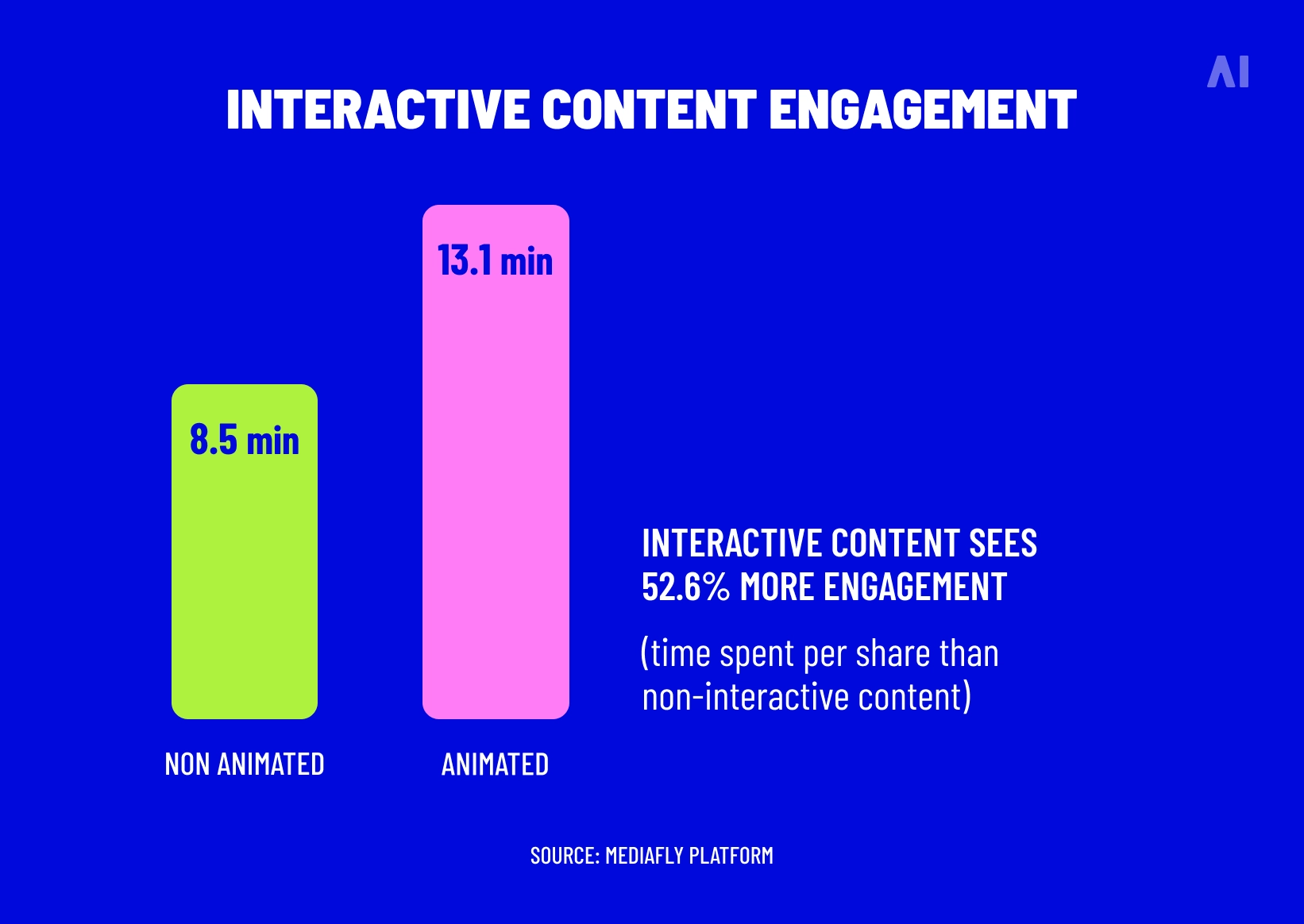
- Industry benchmarks from Mediafly show that interactive experiences generate about 52.6% more engagement than static content, with buyers spending roughly 13 minutes on interactive pieces versus 8.5 minutes on static assets.
- Demand Metric’s “Enhancing the Buyer’s Journey” research finds that 93% of marketers rate interactive content as effective at educating buyers, compared with 70% for static content, and that interactive pieces are more frequently shared—38% say interactive content is frequently or very frequently shared, versus 17% for passive formats.
Real-world example: Spotify Wrapped interactive recap
Spotify Wrapped is essentially a personalized interactive infographic that drops into people’s feeds every December. It takes a full year of listening data and turns it into a swipeable story: panels that show top artists and songs, total minutes listened, “music personalities”, and playful mini-games like Sound Town or Me in 2023. Each card is designed like an infographic tile—bold typography, motion, colour blocks and simple charts—so users tap through, discover their own stats, then share their favourites to social.

The scale is huge:
- Spotify’s own 10-year Wrapped recap notes that the very first iteration, “Year in Music” in 2015, attracted about 5 million unique users, while the 2023 edition—with more interactive features—engaged a record 227 million monthly active users.
- A 2025 MusicRadar piece, drawing on Spotify figures, adds that around 245 million listeners now engage with Wrapped and roughly 435 million Wrapped cards are shared across platforms each year.
- Earlier in the campaign’s life, Fortune reported that in the three days after Wrapped 2019 launched, the Spotify app was downloaded more than 2 million times worldwide, highlighting how the interactive recap can move real acquisition numbers.
Brands don’t need Spotify’s engineering muscle to borrow the pattern—anyone with a meaningful dataset (loyalty, usage, purchase histories, even B2B product usage) can package it into a snackable, animated “year in review” that behaves like a rich media ad and a piece of content people feel proud to post.
Best practice tips
Because these pieces sit between content and ads, they need structure from both worlds. Keep these principles in mind when you brief or review interactive visuals:
- Anchor everything in a clear story. The interactivity should support a narrative (e.g. “how your costs change,” “how your region compares”), not just show off.
- Design mobile-first. Complex hover states don’t work well on touch devices; plan for taps, swipes and vertical layouts.
- Instrument the experience. Capture which filters people use, how far they scroll, and where they drop off—then feed those insights into your broader messaging and segmentation.
10. Social AR & interactive story ads
This category includes:
- Social AR lenses and filters on Snapchat, Instagram, TikTok and others
- Interactive Story ads that use native elements like polls, sliders, quizzes, swipe-ups and stickers in full-screen vertical formats
These are deeply embedded in how people actually use social platforms day-to-day, making them some of the most “native-feeling” rich media examples available.
Why they work
Social AR and interactive Stories perform well because they plug into behaviours people already enjoy—playing with filters, tapping through updates and voting on quick questions. The ad rides along with those habits instead of fighting them.
The data’s compelling:
- Instagram reported that polling stickers in Story ads increased 3-second video views in 9 out of 10 test campaigns.
- And, as mentioned, Snapchat’s AR attention studies (with Amplified Intelligence and OMD) showed AR Lenses delivering around 12.6 seconds of active attention vs 2.3 seconds for standard mobile in-feed, and 5× higher active attention vs competing social platforms. They also increased likelihood to buy by 53% and long-term brand loyalty by 31%.
Real-world example: Dunkin’ poll sticker Story ads

In Instagram’s own case studies, Dunkin’ was one of the first brands to test interactive poll stickers in Stories ads. The creative itself was simple: short video clips overlaid with a poll sticker asking people “How do you like your coffee?”, inviting them to tap their preference.
- Against a control group of Story ads without the poll, the interactive version delivered a 20% lower cost-per-video view, meaning Dunkin’ paid less to get people to watch the same amount of content.
- Beyond the media efficiency, the brand also used the poll responses as a quick read on audience tastes, feeding that back into future creative and messaging.
- Added a simple poll (“How do you like your coffee?”) to Story ads
This illustrates how even low-lift interactivity—just a single question—can improve both performance metrics and customer insight without adding much production overhead.
Best practice tips
To feel native, these formats have to respect the culture of each platform and the speed of the feed. Use these guardrails to keep your concepts simple, on-brand and easy to participate in:
- Match the platform’s culture. AR and Story formats work best when they feel like something users would organically create or watch on that platform.
- Keep interactions lightweight. One or two taps, swipes or questions are usually enough; avoid multi-step forms.
- Chain formats together. Use interactive Story ads to drive to AR experiences, or vice versa, then retarget people who engaged with shoppable or longer-form content.
💡 Interested in learning more about Netflix advertising? Check out our dedicated piece: Netflix advertising: The future of streaming TV ads
Conclusion: Elevate your campaigns with rich media advertising
Rich media advertising isn’t about adding bells and whistles for the sake of it. Used properly, these formats give you three things static display can’t match:
- More attention: Formats like interactive video, AR and playables reliably win more seconds of active focus.
- Better signals: You see not just who clicked, but who swiped, hovered, completed interactions or explored specific options.
- Tighter outcomes: Shoppable overlays, dynamic retargeting and native content push users closer to purchase or qualified lead status.
Across the formats we’ve covered, the pattern is consistent: when people can interact, performance improves—whether that’s 2× engagement for interactive content or 10× CTR for retargeted units over generic display.
To make this work at scale, you need three ingredients:
- Clear strategy: Match each rich media format to specific funnel stages and KPIs.
- Integrated data: Use interaction signals in your optimization and audience strategies.
- Transparent execution: Understand exactly where, how and why your rich media is delivering value.
That’s where AI Digital’s Open Garden model comes in. By combining unbiased supply, outcome-based optimization and full transparency, we help brands plug rich media into their existing programmatic, OLV and social activity without losing control of the details.
If you’re ready to turn these rich media ads examples into live campaigns:
- Explore how we work and what we do at AI Digital – what we do.
- See how our Elevate platform uses AI to optimize creative, budgets and placements at AI Digital Elevate.
⚡ The winners aren’t the brands with the fanciest units. They’re the ones who use rich media to ask better questions and act on the answers.
.webp)