.webp)
CTV is one of the most attractive channels in digital media because it combines television’s format with programmatic targeting and reporting. The downside is structural: the channel is fragmented (devices, apps, SSAI, intermediaries), measurement is inconsistent, and supply paths can get messy fast.
That matters because fraud doesn’t usually show up as a single obvious “bad app.” In CTV, fraud often shows up as slightly-too-good performance, unclear app transparency, or “direct” inventory that isn’t actually direct.
💡 If you want more context on how fast this channel is growing and what that means for planning, AI Digital has two dedicated pieces: CTV guide & connected TV stats.
If you’re planning or buying big-screen video, this guide will help you pressure-test what you’re buying and build practical defenses against CTV fraud and CTV ad fraud—without turning your team into a forensic lab.
What is CTV ad fraud?
CTV ad fraud is any deliberate manipulation that causes advertisers to pay for CTV impressions that aren’t legitimate—because they weren’t seen by real people, weren’t served in the claimed environment, or weren’t sold by an authorized seller.
Most fraud in CTV falls into one (or more) of these buckets:
- Non-human traffic (bots, hijacked devices, botnets, automated viewing behavior)
- Misrepresentation (spoofed device/app, falsified content or publisher signals, fake “direct” supply)
- Supply path manipulation (reselling, unauthorized sellers, domain/app spoofing, hidden intermediaries)
CTV buying is still programmatic buying under the hood, which means the same ad tech plumbing (OpenRTB, exchanges, SSPs, verification, SPO) applies—just with CTV-specific twists like SSAI and device fragmentation.
💡 If you want a refresher on the mechanics, AI Digital’s programmatic advertising explainer is a useful baseline.
⚡ If you can’t clearly identify the app, the device, and the seller, you’re not buying “premium CTV”—you’re buying a guess.
Why CTV is uniquely vulnerable to fraud
CTV isn’t “more fraudulent” by nature. It’s more vulnerable because the ecosystem has several built-in properties that fraudsters can exploit.
1. The device and app ecosystem is fragmented
Unlike desktop browsers (where the web stack is comparatively standardized), CTV delivery happens across:
- Smart TV operating systems
- Streaming sticks/boxes
- Gaming consoles
- Hundreds (or thousands) of apps, many long-tail
That fragmentation makes it harder to apply uniform standards for measurement, viewability, and verification.
⚡ Fragmentation isn’t just a planning headache. It’s a perfect hiding place for mislabeling, because each device and app behaves a little differently.
2. Transparency is often incomplete
One of the clearest CTV risk signals is missing or partial app transparency. DoubleVerify reported that only 50% of CTV impressions offered full app transparency in 2024, creating real blind spots for marketers.
When app transparency is missing, it becomes easier to hide spoofing, reselling, and unauthorized paths inside “CTV” labels that look acceptable in platform UI.
3. SSAI changes what you can observe
Server-side ad insertion (SSAI) improves streaming experience (less buffering, smoother playback), but it can reduce what the buyer can verify at the client level. Fraud thrives when the observer can’t directly validate playback conditions, device characteristics, or ad rendering events.
{{CTV-Ad-Fraud-SEO-1="/tables"}}
4. The money is growing fast
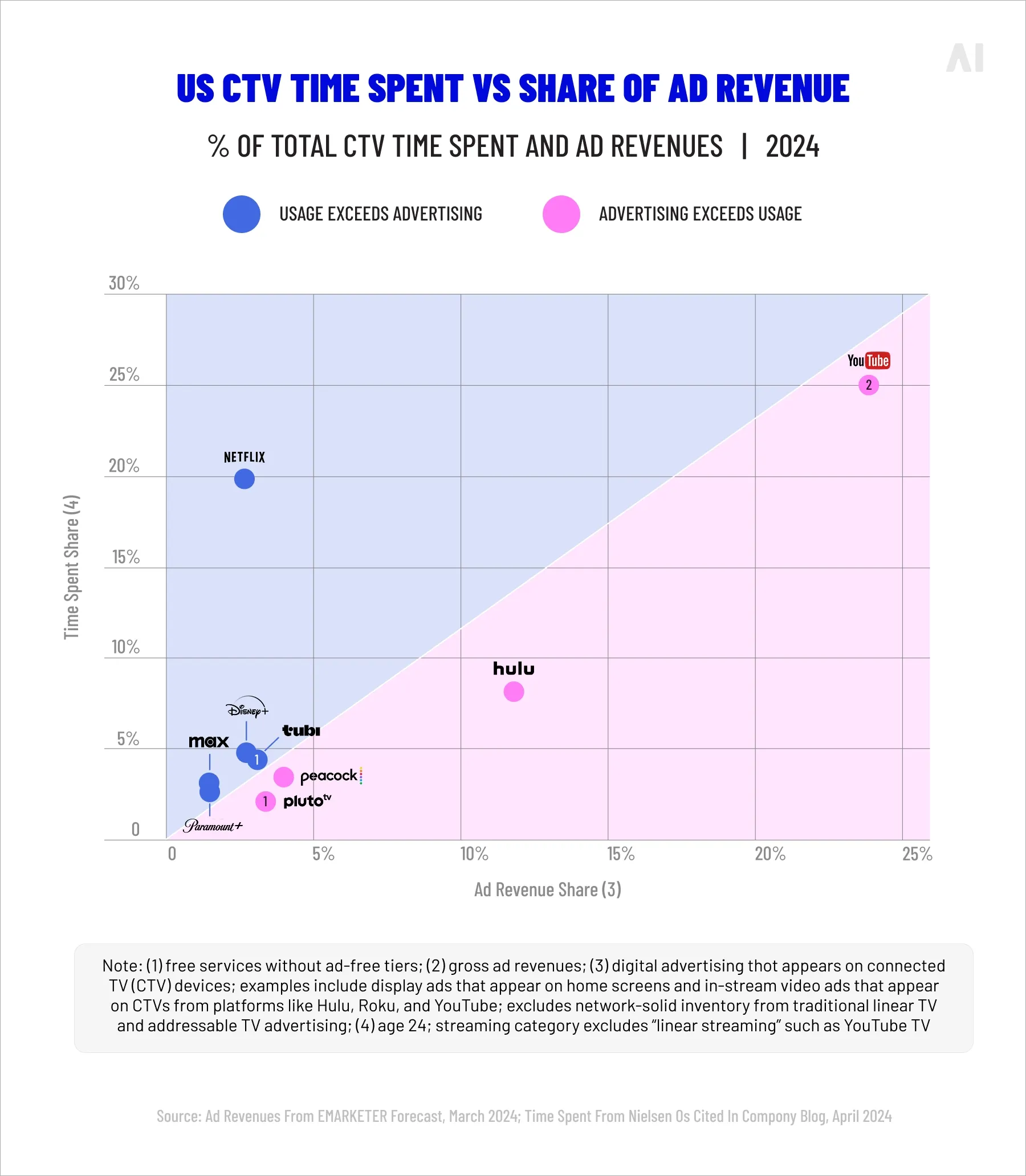
The market growth itself is a risk factor. IAB estimates U.S. CTV ad spend reached $23.6B in 2024 (up 16% YoY) and is projected to hit $26.6B in 2025—a pace of growth that keeps attracting fraud to any part of the supply chain that isn’t tightly verified.
How CTV fraud infiltrates the supply chain
Fraud in CTV rarely arrives as “fraud.” It arrives as inventory.
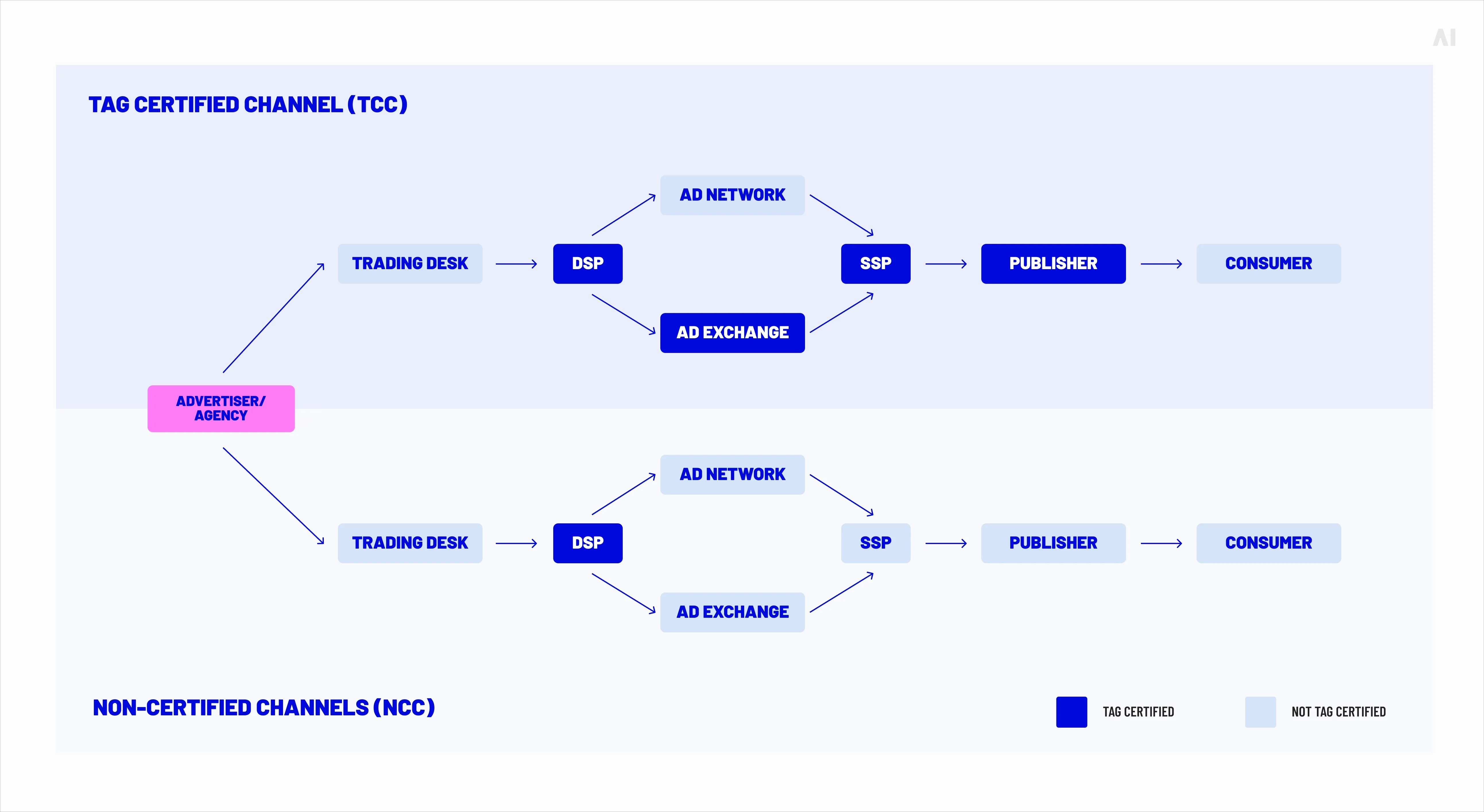
Here’s a practical way to think about the entry points:
Entry point A: Bidstream signals can be spoofed or misrepresented
In programmatic CTV, the buyer often relies on bid request data to understand:
- App and bundle identity
- Device type and OS
- Content signals or genre metadata
- Seller and supply chain path
If those signals are falsified—or if key fields are missing—the buyer’s ability to validate the environment collapses.
Entry point B: Unauthorized “direct” selling inside open programmatic
A common pattern in CTV fraud is inventory presented as “direct” that isn’t actually authorized as direct.
Pixalate’s SPO research found that 28% of CTV traffic with SupplyChain Objects marked ‘complete’ was sold by unauthorized “direct” sellers, representing an estimated $1.4B in global open programmatic CTV ad spend routed through those unauthorized sellers (Q3 2024).
Even if you don’t treat that dollar amount as a perfect “loss” figure, it’s a strong signal about how often supply chain declarations don’t match reality—and why “direct” labels alone shouldn’t satisfy your QA.
Entry point C: Reselling and supply path sprawl
Supply path sprawl creates room for:
- Hidden intermediaries
- Duplicate auctions
- Fee stacking
- Domain/app mislabeling
- Hard-to-audit deal chains
This is exactly why SPO isn’t just an efficiency play—it’s a fraud control practice.
💡 AI Digital’s perspective on supply-side optimization goes deeper on how curation and cleaner paths reduce waste.
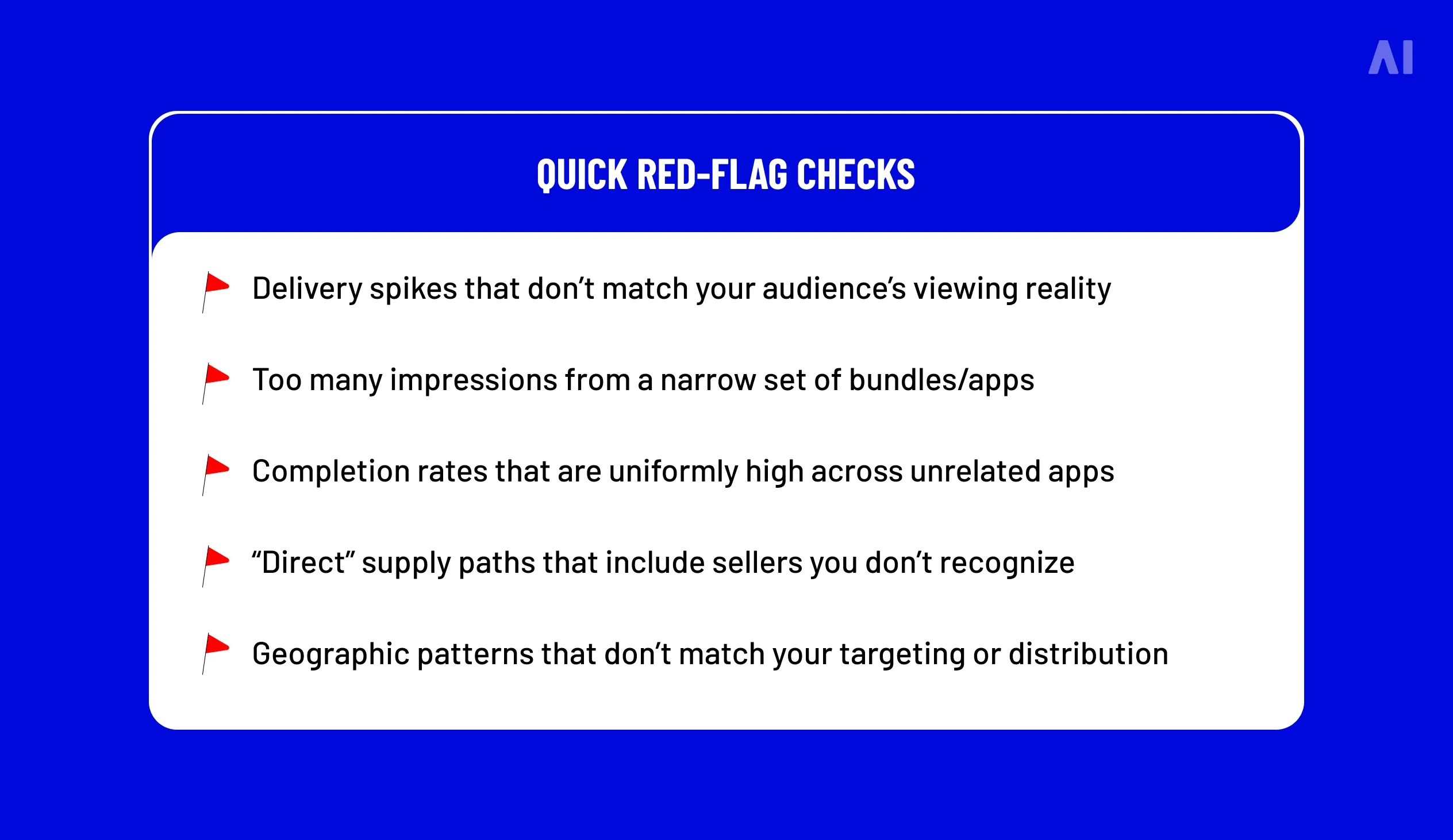
CTV fraud doesn’t need to beat your strategy. It just needs to blend into your reporting.
The main fraud schemes marketers should know
You don’t need to memorize every variant. You do need to recognize the shape of the major schemes, what they break, and what data can expose them.
{{CTV-Ad-Fraud-SEO-2="/tables"}}
Device spoofing
This is the CTV version of “identity fraud”—the impression claims to come from a premium TV device, even when it doesn’t:
- What it is: Fraudsters falsify device signals so a non-CTV environment (or a low-quality device/app) looks like premium CTV inventory.
- Why it works in CTV: Many buyers use device type as a proxy for quality. If a bid request claims “Smart TV / streaming device,” it may inherit premium CPM assumptions.
- What it breaks:
- Audience quality and household assumptions
- Frequency controls (if device identity is unstable)
- Measurement consistency (especially across apps)
- How to defend:
- Require app transparency where possible (don’t reward unknowns)
- Use third-party verification that can flag anomalous device patterns
- Push vendors toward device-level validation and attestation standards
💡 For broader context on fraud and supply protection principles that apply here (not just CTV), AI Digital’s “Safety in programmatic advertising” is a helpful companion.
Server-side ad insertion (SSAI) spoofing
When ads are stitched in server-side, fewer on-device signals make it easier for bad actors to fake where, how, and whether an ad actually ran:
- What it is: SSAI-related fraud leverages the fact that the ad is inserted server-side. Fraudsters can simulate server-side playback events or mask where an ad truly ran.
- Why it works in CTV: SSAI can reduce client-side visibility, making it harder to confirm that:
- The ad rendered on a real screen
- Playback occurred in the claimed app
- Completion signals reflect actual viewing
- What it breaks:
- Completion rate credibility
- Viewability/attention proxies
- Optimization models trained on false positives
- How to defend:
- Prefer supply with clearer disclosure of SSAI methods and measurement
- Validate SSAI inventory through partners that can corroborate server logs, not just bidstream claims
- Treat “perfect completion” as a reason to inspect—not celebrate
⚡ When completion rates start looking perfect, treat it as a prompt to verify, not a reason to celebrate.
App spoofing and misrepresentation
Here, the scam isn’t the impression volume—it’s the label on the inventory, where a low-quality app pretends to be a trusted one:
- What it is: An impression is sold as if it came from a known premium app, but it actually came from another app (or isn’t an app impression at all).
- Why it works in CTV: Buyers often can’t easily audit app identity at scale—especially when app transparency is missing or obscured.
- Supply-chain reality check: As mentioned previously, Pixalate’s finding about a meaningful share of CTV open programmatic impressions route through unauthorized “direct” sellers highlights how frequently declared supply paths don’t align with authorized selling.
- How to defend:
- Use app allowlists for performance-sensitive campaigns
- Require sellers.json / app-ads.txt alignment where possible
- Treat unknown bundles as a separate “test budget,” not a default buy
⚡ In CTV, the app name is the placement. If the app identity is fuzzy, everything else in your report becomes less reliable.
Botnets and automated traffic (including hijacked devices)

Instead of faking a device or an app, this approach fakes the viewer—using automation to simulate watching at scale:
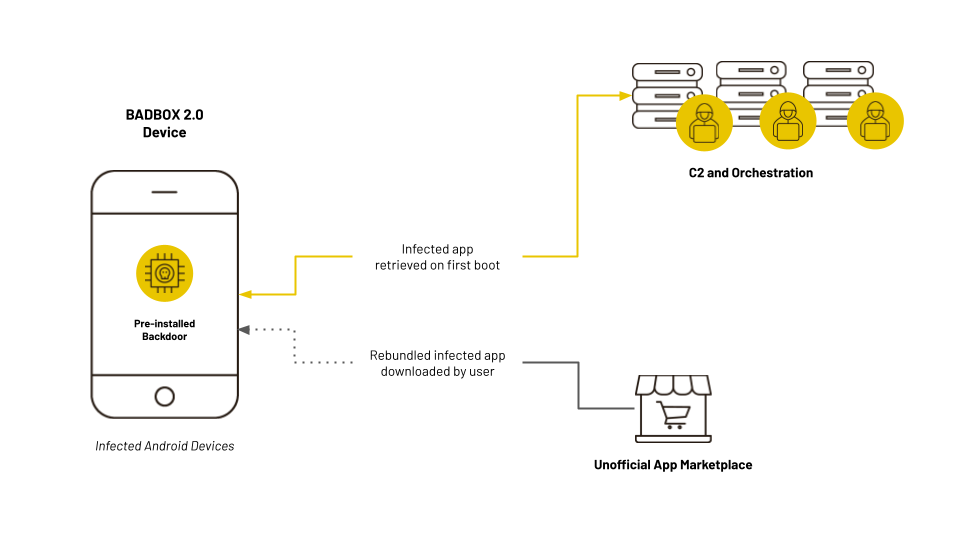
- What it is: Networks of compromised devices or emulators generate fake ad requests or simulate viewing behavior. In CTV, this can include infected devices generating fake CTV traffic.
- A recent benchmark: DoubleVerify reported bot fraud accounts for 65% of all CTV fraud, with 4 million infected devices generating fake traffic daily.
- What it breaks:
- Reach and frequency math
- Incrementality tests (if exposure logs are polluted)
- Retargeting pools (if fake households enter your graphs)
- How to defend:
- Use MRC-accredited fraud filtration/verification where possible
- Monitor for unnatural spikes by device type, daypart, geography, or app
- Keep a tight loop between media, analytics, and fraud vendors so blocks happen quickly
💡 If you want a higher-level perspective on how automation can introduce blind spots across advertising systems (including traffic quality issues), AI Digital’s “Biggest AI blind spot” piece is worth reading.
Inventory reselling and supply path manipulation
This is supply chain fraud by paperwork and plumbing—legit inventory gets rerouted, repackaged, or sold by sellers who shouldn’t be in the path.
- What it is: Legitimate inventory is resold through multiple intermediaries (sometimes unauthorized), creating opacity, fees, and opportunities for mislabeling.
- Why it matters even without “fraud”: Reselling can turn a premium placement into an un-auditable placement. You may still get a real impression, but lose:
- Seller accountability
- Price integrity
- Clean measurement
- How to defend:
- Reduce supply paths (SPO as a governance tool, not only a cost tool)
- Prefer curated deals where the seller chain is explicit
- Audit “directness” claims against supply chain disclosures
💡 AI Digital’s view on supply-side optimizationi wth AI connects this directly to outcome-based buying and cleaner paths.
How CTV fraud affects ROI, reporting, and optimization
CTV ad fraud isn’t just “wasted impressions.” It changes how your entire system learns.
{{CTV-Ad-Fraud-SEO-3="/tables"}}
1) Direct media waste (you pay for nothing)
DoubleVerify highlights “TV Off” as a persistent CTV waste problem—ads running even after a TV screen is turned off—and reports that media quality issues can cost advertisers an average of $700,000 in wasted spend per billion impressions without safeguards.
That’s before you get into spoofing, botnets, or misrepresentation.
2) Performance metrics get contaminated
Fraud often creates metrics that look like success:
- High completion rates (because playback is simulated)
- Stable CPMs (because “premium” labels are spoofed)
- Clean-looking reach (because device identity is fabricated)
If you optimize into those signals, you reinforce the fraud. Your bidder learns “this is what good looks like,” then buys more of it.
This is one reason “good” performance dashboards can mislead growth decisions.
💡 AI Digital’s breakdown of why marketing metrics can lie is relevant here—fraud is one of the fastest ways to turn correlation into false confidence.
3) Optimization strategies can amplify the wrong supply
If the algorithm is rewarded for cheap CPV/CPM and “perfect video,” it will naturally drift toward inventory that produces those signals cheaply—exactly the environments fraudsters manufacture.
A related challenge shows up in closed ecosystems too: when visibility is limited, it’s harder to verify what happened.
💡 If you’re balancing CTV across open and closed environments, AI Digital’s perspective on the hidden cost of walled gardens adds a useful lens on transparency risk.
4) Your real ROI gets harder to prove internally
This is the quiet cost: CTV ad fraud reduces confidence in the channel. Even if CTV is working, fraud makes it harder to defend results, expand budgets, and scale responsibly.
How to detect and prevent CTV fraud
This is the section most teams want, so let’s make it operational.
{{CTV-Ad-Fraud-SEO-4="/tables"}}
Step 1: Establish your “minimum acceptable transparency”
Before you change tools, define what you will not buy.
A simple baseline many teams adopt:
- Known app (bundle/app name is available and consistent)
- Known seller (authorized selling path can be validated)
- Verification coverage (at least one independent measurement layer)
- Supply path constraints (limited hops; no unexplained “direct” anomalies)
If you do nothing else, this alone reduces your exposure to the most avoidable CTV fraud.
Step 2: Use pre-bid protection as the default, not the upgrade
Fraud prevention is cheaper before you buy than after you buy.
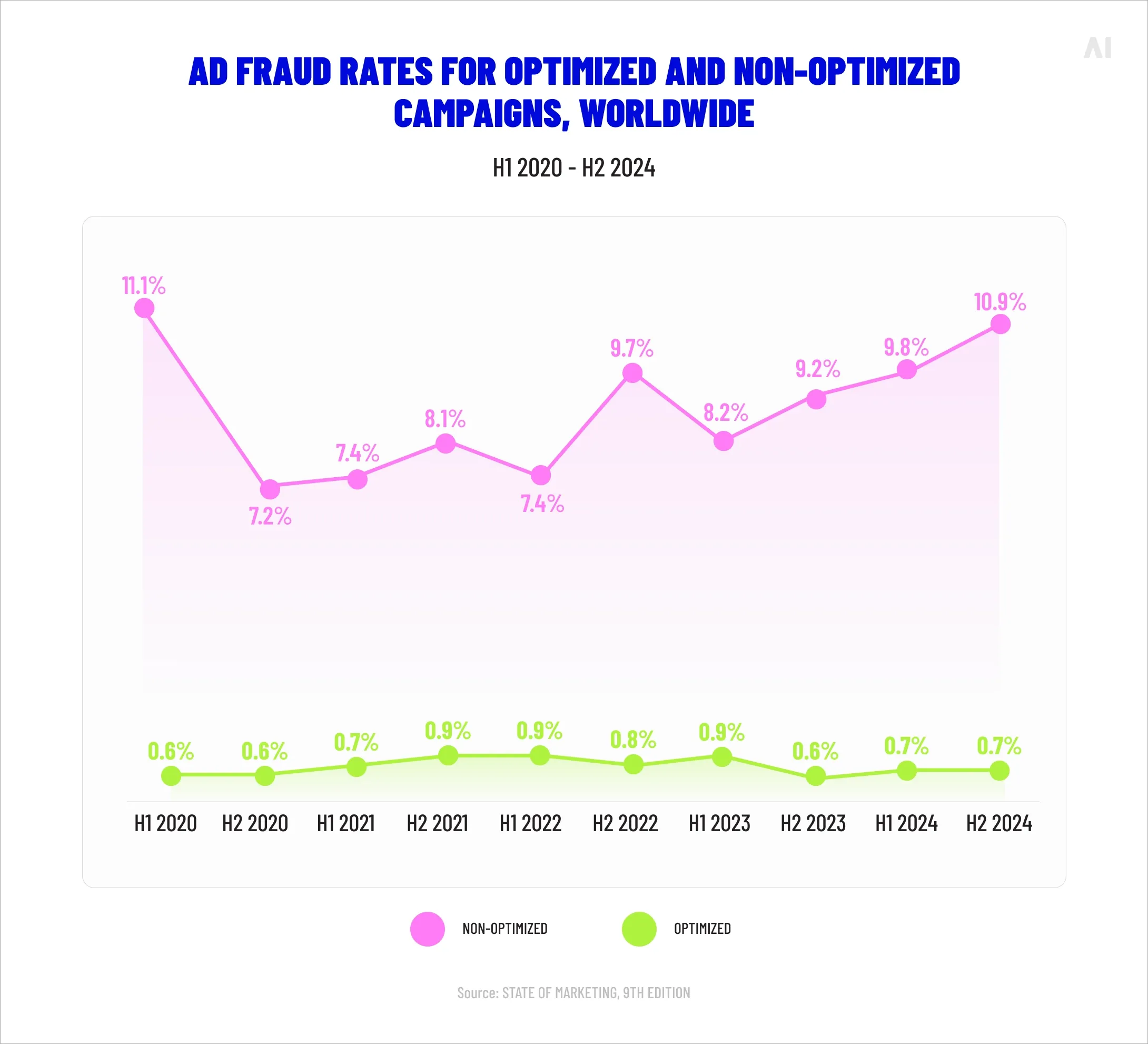
Integral Ad Science’s 20th Media Quality Report release notes that fraud rates in non-optimized campaigns reached 10.9% by the end of 2024, and were 15x higher than campaigns using anti-fraud technologies.
Even if your CTV stack is different from the open-web benchmarks, the directional lesson holds: you want protection before the auction, not only after reporting.
Step 3: Treat SPO as a fraud control practice
SPO is often pitched as “reduce fees.” In CTV, it’s also “reduce places fraud can hide.”
Operationalize it like this:
- Start with your top spending paths
- Map where “direct” is claimed vs where it’s authorized
- Reduce redundant exchanges and resellers
- Move long-tail inventory into a capped test budget
💡 If you want a framework that connects SPO to outcomes (not just CPM savings), AI Digital’s DSP-agnostic buying model and supply-side strategy is a strong reference point.
Step 4: Audit your signals for “too perfect” patterns
This is a practical QA move that doesn’t require special tooling:
- Completion rates near 100% across broad inventory
- Unusually low variance in performance across apps
- Spikes in delivery at odd hours or improbable locations
- Frequency that grows without incremental lift
Any one of these can be legitimate. Together, they’re a reason to investigate.
Step 5: Push responsibility upstream (and document it)
Many CTV fraud issues aren’t solvable solely in a DSP UI. You need vendors and sellers to provide:
- Better app transparency
- Better seller authorization enforcement
- Better device validation signals
Industry standards are moving in that direction. For example, IAB Tech Lab has promoted approaches like device attestation in CTV to help validate that a device is what it claims to be (a direct counter to spoofing).
Step 6: Use third-party verification, but don’t outsource judgment
Verification vendors are essential—but they’re not a strategy by themselves.
Use them to:
- Filter known IVT patterns
- Flag suspicious supply paths
- Benchmark quality across sellers/apps
- Trigger block actions quickly
But keep internal decision rules about what inventory you’ll accept.
💡 If you’re building a more transparent buying approach across multiple DSPs and supply partners, AI Digital’s Smart Supply and Open Garden philosophy is directly aligned with that goal.
What marketers can control vs. What vendors should control
This is where teams get stuck, so let’s split responsibility cleanly.
What marketers can control (today)
You can’t fix the whole ecosystem, but you can shrink your risk surface.
Buying controls – These choices determine which inventory even has a chance to enter your plan:
- App allowlists (especially for performance KPIs)
- Deal IDs / curated PMPs where seller identity is clearer
- SPO rules that reduce hops and reselling
- Budget caps on unknown or experimental inventory
Measurement controls – If your measurement rules are loose, fraud gets to hide inside “acceptable” reporting:
- Independent verification (at minimum, fraud + viewability signals)
- Log-level or placement-level reporting requirements in contracts
- Clear invalid traffic policies (what gets refunded vs excluded)
Optimization controls – Guardrails here stop your models from learning the wrong lessons from contaminated data:
- Avoid optimizing purely to completion rate or low CPM
- Tie success to business outcomes (incrementality, lift, qualified visits)
- Build guardrails so “too good” performance triggers review
💡 AI Digital’s DSP-agnostic model is useful here because it emphasizes keeping decision rights with the advertiser rather than defaulting to any single platform’s incentives.
What vendors and the supply chain should control
This is where you should push hard in vendor reviews and QBRs.
Supply-side accountability – This is about proving who is allowed to sell the impression—and removing anyone who isn’t:
- Enforce ads.txt / app-ads.txt / sellers.json and supply chain object integrity
- Detect and remove unauthorized sellers
- Provide disclosure on reselling and intermediaries
Device and SSAI integrity – Vendors need to make the environment verifiable, especially when SSAI reduces what buyers can see:
- Stronger device validation signals (attestation where possible)
- SSAI transparency that supports verification and reconciliation
- Consistent support for third-party measurement
Operational standards – Baseline standards make fraud prevention consistent, repeatable, and enforceable across partners:
- MRC-aligned IVT filtration approaches
- Participation in anti-fraud standards and certifications
- Faster response loops for block lists and fraud outbreaks
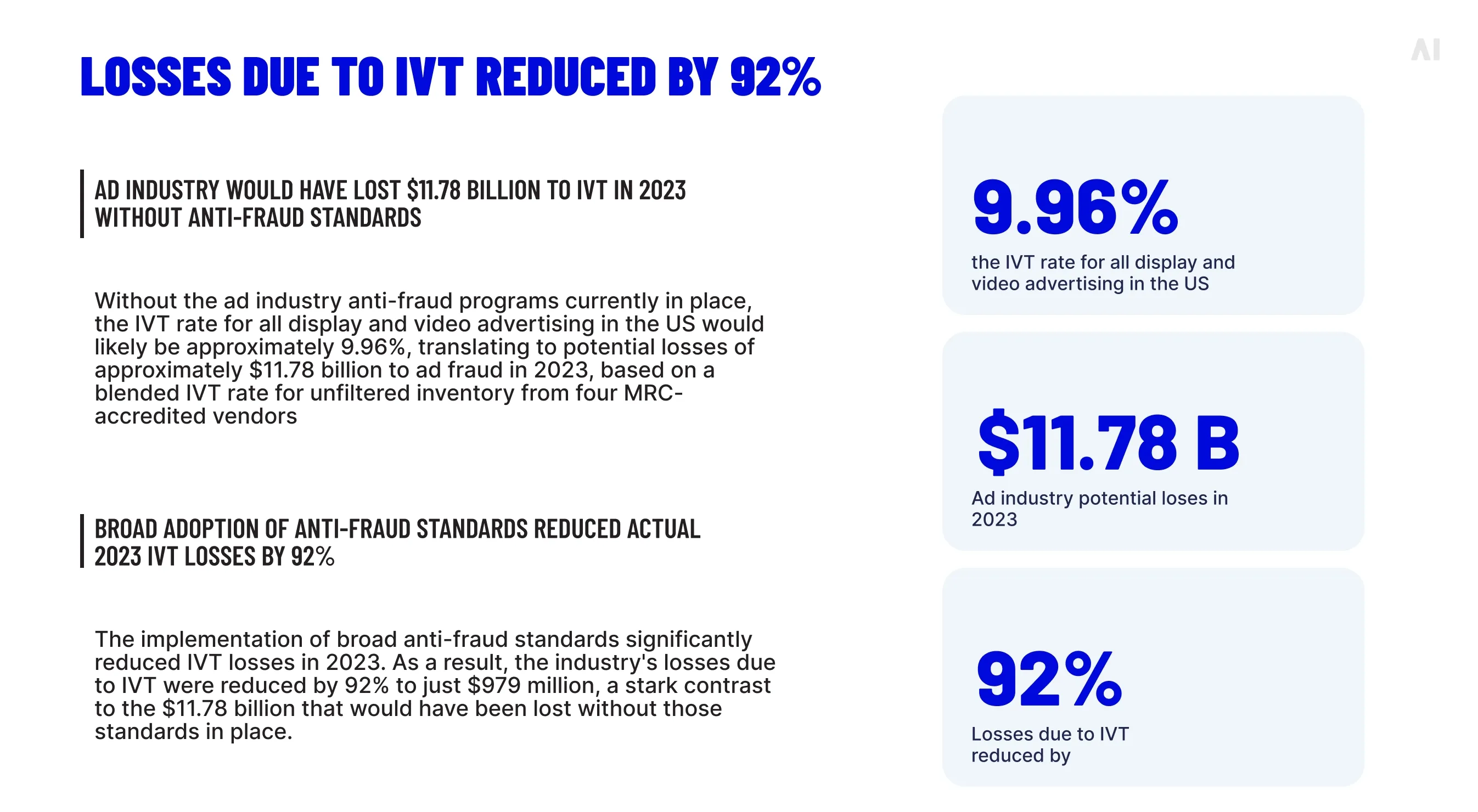
A useful macro lens here: TAG’s 2024 U.S. Ad Fraud Savings Report estimates anti-fraud standards and programs resulted in $10.8B in savings in 2023, reducing likely IVT losses dramatically. That’s the argument for why ecosystem-wide discipline matters—not just individual advertiser settings.
The future of CTV fraud
CTV fraud is not going away. But the control surface is changing.
Here are the trends most likely to shape the next phase:
1) More verification pressure as CTV budgets keep rising
As mentioned previously, IAB projects continued CTV growth through 2025. But the bigger signal is structural: it also expects digital video to capture nearly 60% of total TV/video ad spend in 2025, extending the shift of money (and attention) toward streaming environments. That makes supply integrity, seller authorization, and device validation even more important because the stakes keep rising.
2) Device validation and privacy-preserving identity signals
Expect faster adoption of device-level validation, because the industry now has proof that “counterfeit CTV” isn’t theoretical.
In an October 2025 study, CleanTap demonstrated that low-cost counterfeit setups (e.g., Raspberry Pi + emulators) could successfully receive premium CTV ads—ads from 54 brands (including nine Fortune 100) were served through transactions spanning five sell-side and four demand-side platforms, and 100% of the counterfeit activity was accepted into live auctions.
That’s the backdrop for standards work like IAB Tech Lab’s device attestation support in the Open Measurement SDK (OM SDK), which launched with support on Apple devices and Fire TV and is designed specifically to counter device spoofing with privacy-preserving attestations.
3) More sophisticated automation on both sides
Fraud is shifting from noisy, brute-force patterns to “quiet” automation that imitates real viewing behavior. DoubleVerify’s Fraud Lab has tied that acceleration directly to GenAI: it reported an over 20% surge in new fraud schemes, alongside an almost 60% increase in audio and video streaming fraud schemes and variants, and noted that bot fraud schemes targeting streaming platforms produced 269% more variants in 2023.
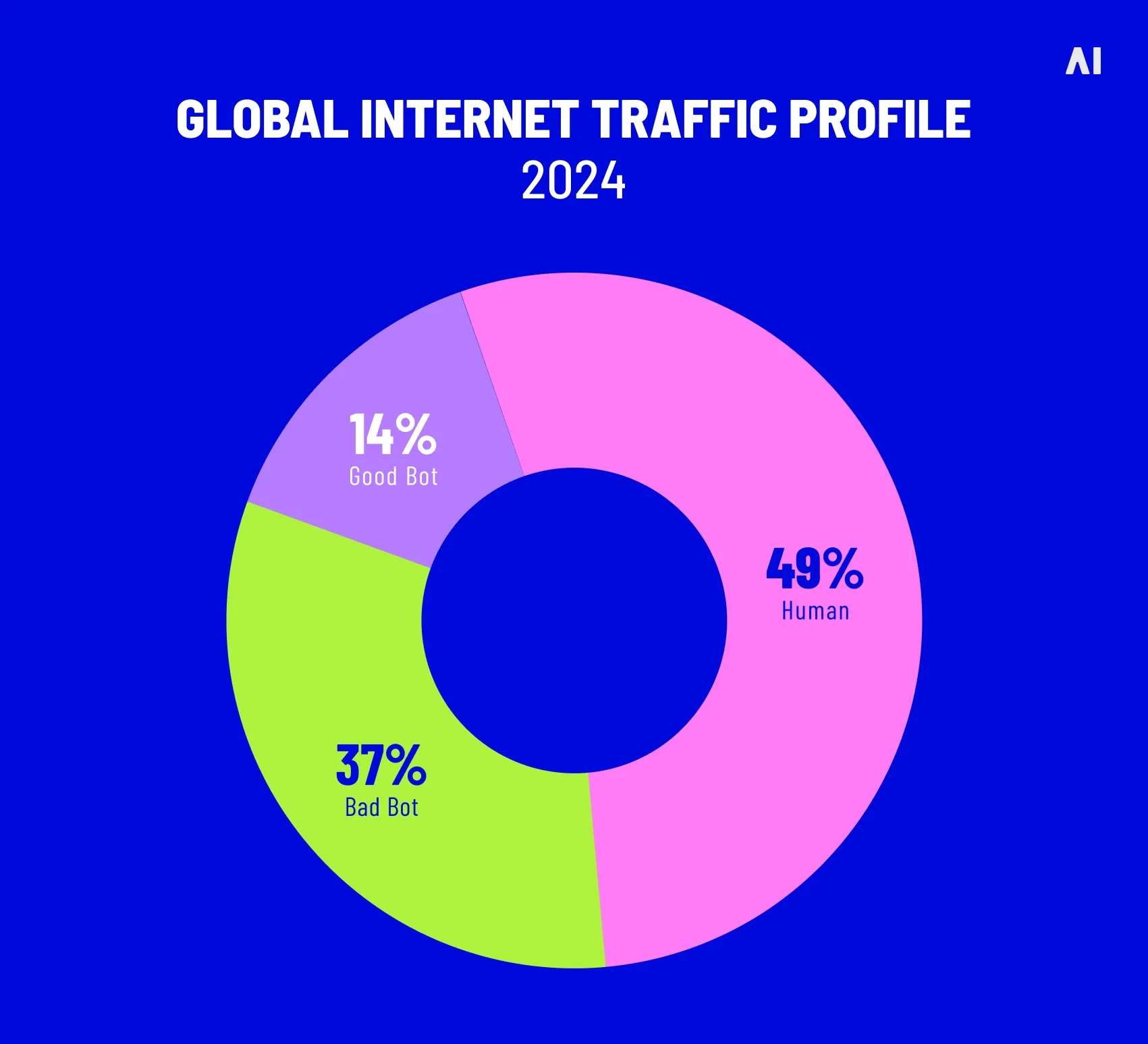
That pace forces defenders to evolve too — verification is moving toward faster pattern recognition, upstream filtering, and better authentication signals (rather than relying on slower, downstream reporting). The net trend is simple: the “easy” bots aren’t the main threat anymore; it’s the ones designed to look normal.
4) Supply chain audits become routine, not reactive
Supply-chain scrutiny is becoming a baseline buying requirement because open CTV still shows frequent seller misrepresentation—even when the bidstream includes SupplyChain Objects (SCOs). Pixalate’s CTV Apps SCO verification research found that 29% of app traffic with an SCO failed verification due to unauthorized sellers, and 36% of purported direct sellers in that traffic were unauthorized.
When that level of mislabeling is possible, “set it and forget it” buying stops being defensible. Over the next 12–24 months, more buyers will treat SCO checks, seller verification, and SPO discipline as ongoing governance—similar to how brand safety moved from periodic audits to continuous controls.
💡 If you want a broader view of where media is heading (and how CTV fits into the 2026 planning picture), AI Digital’s media trends 2025 overview and media trends report 2026 are a good companion reads.
Conclusion: How to advertise safely without losing scale
CTV is too valuable to ignore and too complex to buy casually.
The safest way to approach CTV ad fraud isn’t to panic or to assume every anomaly is theft. It’s to build a repeatable operating model:
- Demand transparency (especially app identity)
- Shrink and curate supply paths
- Use pre-bid protection as your default
- Treat “too perfect” performance as a QA signal
- Push accountability upstream to sellers and platforms
When you do that, CTV becomes what it’s supposed to be: a scalable, measurable, high-impact video channel without the hidden leakage that quietly eats ROI.
If you want clearer control across planning, optimization, and reporting, AI Digital’s Elevate combines an AI planning assistant, predictive forecasting, and always-on optimization, including real-time inventory analysis via multi-DSP integrations and “Ask Elevate” for plain-language performance explanations.
And if you’d like to talk through any of the insights in this article — or sanity-check what you’re seeing in your CTV buys — reach out to us directly.