Media Planning and Buying: What They Are, How They Work, and Best Practices in 2026


Digital media is where most ad money now goes. Recent forecasts suggest that by 2025, digital advertising will account for just over 70% of global ad revenue, with the US market alone approaching $400+ billion in total media spend. At the same time, the way ads are bought has shifted heavily toward automation and programmatic pipes. In the US, more than 90% of digital display impressions are expected to trade programmatically in 2024.
That combination of scale and complexity is exactly why media planning and buying matter so much in 2026. The brands that grow are usually the ones that:
- Decide where to show up with intent
- Use data instead of guesswork
- Let AI and automation handle the heavy lifting, without handing over the steering wheel
This article breaks down what media planning and buying actually are, how they differ, what the processes look like in practice, and how to modernize your approach with AI, data and programmatic tools. It also connects those ideas to how AI Digital thinks about programmatic strategy, Smart Supply (for inventory optimization) and Elevate (for creative personalization).
💡 If you want a deeper dive into the programmatic side specifically, you can pair this piece with AI Digital’s guide to programmatic advertising.
{{26-Media-Planning-and-Buying-1="/tables"}}
What is media planning?
At its simplest, media planning is the strategic process of deciding where, when, and how your brand should show up in front of the right people to hit specific marketing goals.
A good media plan answers questions like:
- Who are we trying to reach?
- What are we trying to achieve and how will we measure it?
- Which channels and formats make the most sense?
- How should we divide budget across those channels?
- What does the timeline look like?
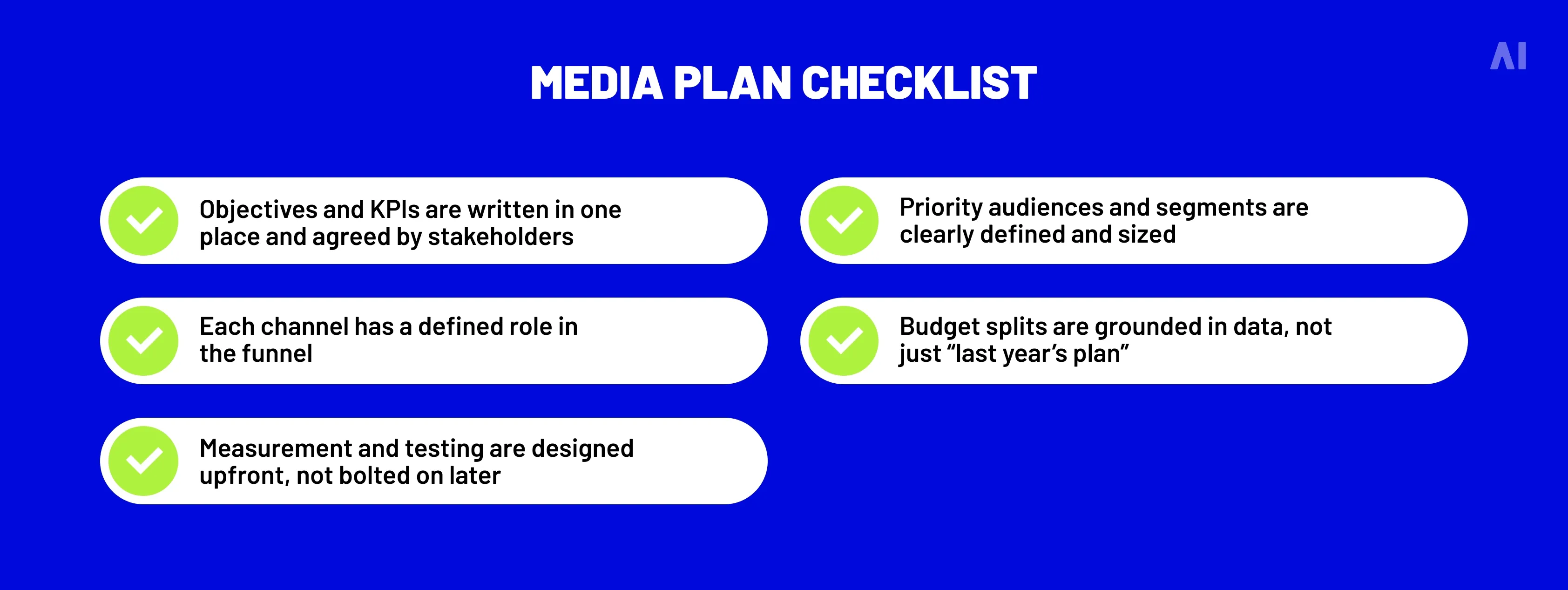
In practice, a media plan is a document (or workspace) that typically includes:
- Campaign goals and KPIs – e.g. brand awareness targets, cost per acquisition, ROAS, incremental reach
- Audience definitions and personas – who you’re talking to, broken down by segments
- Channel mix and tactics – TV, CTV, digital display, search, social, audio, OOH, retail media, etc.
- Budget allocation – how much goes into each channel, and sometimes into each platform
- Timing and flighting – when campaigns start, peak and taper
- Measurement plan – what you will track and what success looks like
{{26-Media-Planning-and-Buying-2="/tables"}}
Think of media planning as designing the map for your media investment. It’s where strategy lives: you align business goals, budgets, audiences and channels before you spend a cent.
For digital marketing teams, this often becomes digital media planning: a version of the same discipline focused on search, social, programmatic display, online video, retail media, and streaming environments. The fundamentals are identical; the difference is the data and tools you use.
💡 If you want more depth on the KPI piece, our article on digital marketing KPIs lays out which metrics are worth tracking and how to connect them to media performance.
What is media buying?
Where media planning designs the map, media buying is about executing the trip.
Media buying is the process of purchasing advertising space or impressions on the channels defined in the media plan, and then managing those placements in-flight to hit performance targets.
A typical media buying plan covers:
- Which publishers, networks, platforms, and DSPs you’ll use
- How you’ll buy (direct, programmatic, self-serve biddable platforms)
- What inventory you’re targeting (placements, formats, audiences)
- The pricing model (CPM, CPC, CPA, fixed fee, revenue share)
- Brand safety, viewability and fraud requirements
Key types of media buying
Most teams don’t use a single buying method. They blend a few core approaches, each with its own strengths and trade-offs. At a high level, you’ll usually be choosing between direct deals with publishers, programmatic buying through DSPs, and self-serve biddable platforms like search and social. Understanding how each one works makes it much easier to design a media buying plan that fits your goals, budget, and internal capabilities.
- Direct media buying is the most traditional route. You’re working one-to-one with publishers, TV networks, radio stations or out-of-home vendors to secure specific placements. That might mean a prime-time TV sponsorship, a full-page magazine spread, a homepage takeover on a major news site or a bespoke content partnership. Deals are agreed upfront, formalized with insertion orders, and usually come with guaranteed impressions or GRPs and fixed pricing, which gives you predictability but less flexibility once the plan is locked.
- Programmatic media buying takes a very different path. Instead of negotiating each placement manually, you use demand-side platforms (DSPs) to buy impressions automatically across thousands of sites, apps and CTV environments. You can tap into open auctions for broad reach, private marketplaces (PMPs) for higher-quality or curated inventory, and programmatic guaranteed deals when you still want certainty on volume and price. In most mature markets, programmatic now powers the vast majority of digital display impressions, which shows how central it has become to digital media planning and buying.
- Biddable media covers the self-serve platforms most marketers work in every day: Google Ads, Meta Ads Manager, TikTok Ads, Amazon Advertising and retail media networks. Here you’re setting budgets and bids directly in the platform, choosing audiences and keywords, and letting the system serve ads in real time. Performance data feeds straight back into your account, so you can adjust bids, budgets and creatives continuously, turning biddable channels into a live testing ground for both media and messaging.
💡 If you’re interested specifically in TV and streaming, our guide to TV media buying goes deeper into types of TV inventory (linear, addressable, CTV) and how they’re traded.
⚡ In short: media planning and buying sit on a continuum. Planning defines what to do, buying makes it actually happen and keeps it performing.
Media planning vs media buying: what’s the difference?
You’ll often hear “media planning and buying” said as if it is one job. In reality, they are two linked but distinct disciplines.
- Media planning = strategy, modeling and decision-making before a campaign goes live
- Media buying = execution, optimization and vendor/platform management during and after the campaign
Here’s a simple comparison:
{{26-Media-Planning-and-Buying-3="/tables"}}
⚡ Media planners think in weeks, months and scenarios; media buyers think in minutes, auctions and levers they can pull today. Both are essential, but they add value in different ways.
In some organizations (especially smaller ones), one team handles digital media planning and buying together. In larger brands and agencies, planners and buyers are separate but work closely. The healthiest setups create a tight feedback loop: real performance data from buying flows back into how the next media plan is built.
Why media planning and buying matter in 2026
Media planning and buying are not new jobs, but the conditions around them have changed radically. Four forces stand out.
Explosion of digital channels
The channel mix is more crowded than ever:
- Search, social, programmatic display
- CTV and streaming TV
- Podcasts and digital audio
- Digital OOH
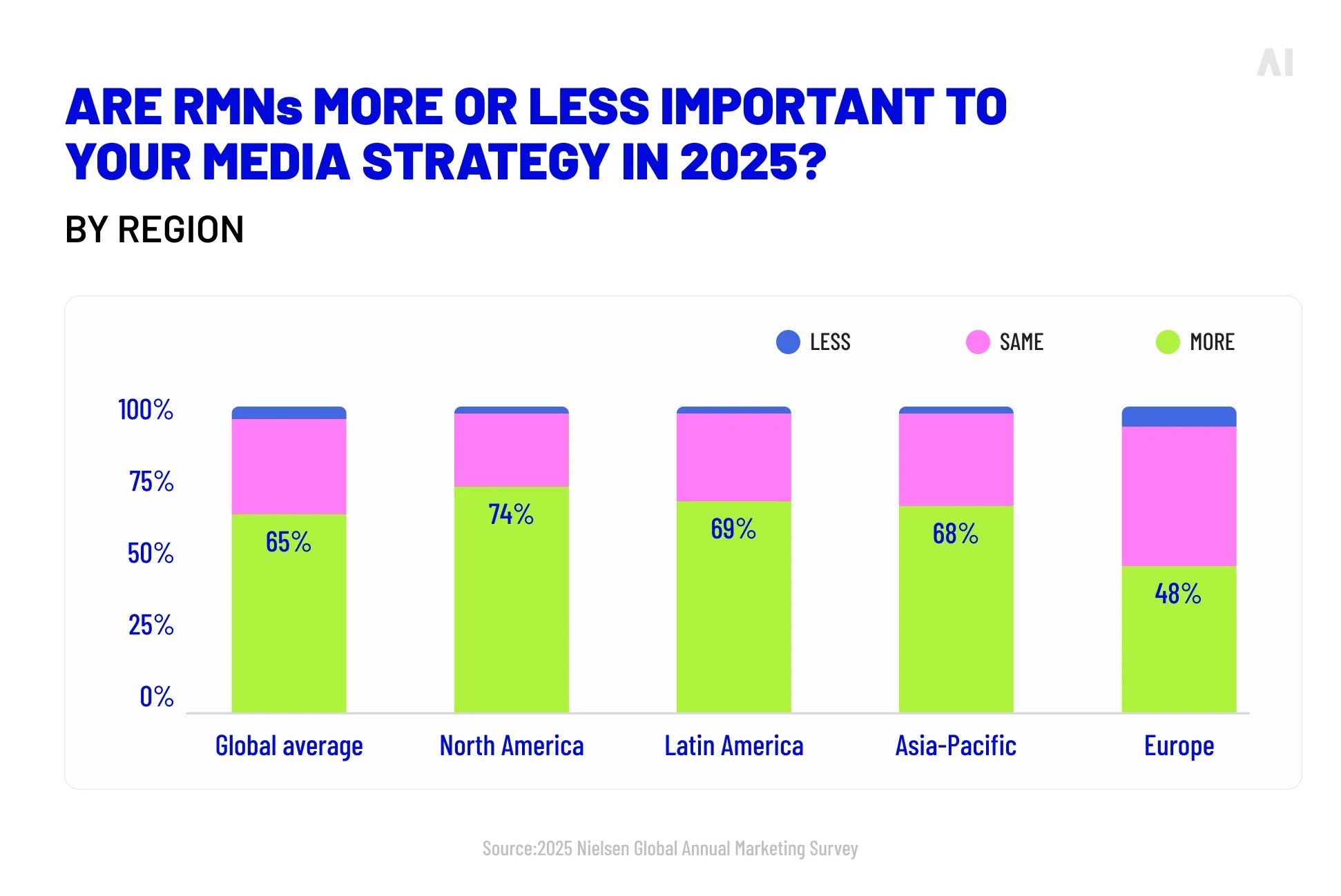
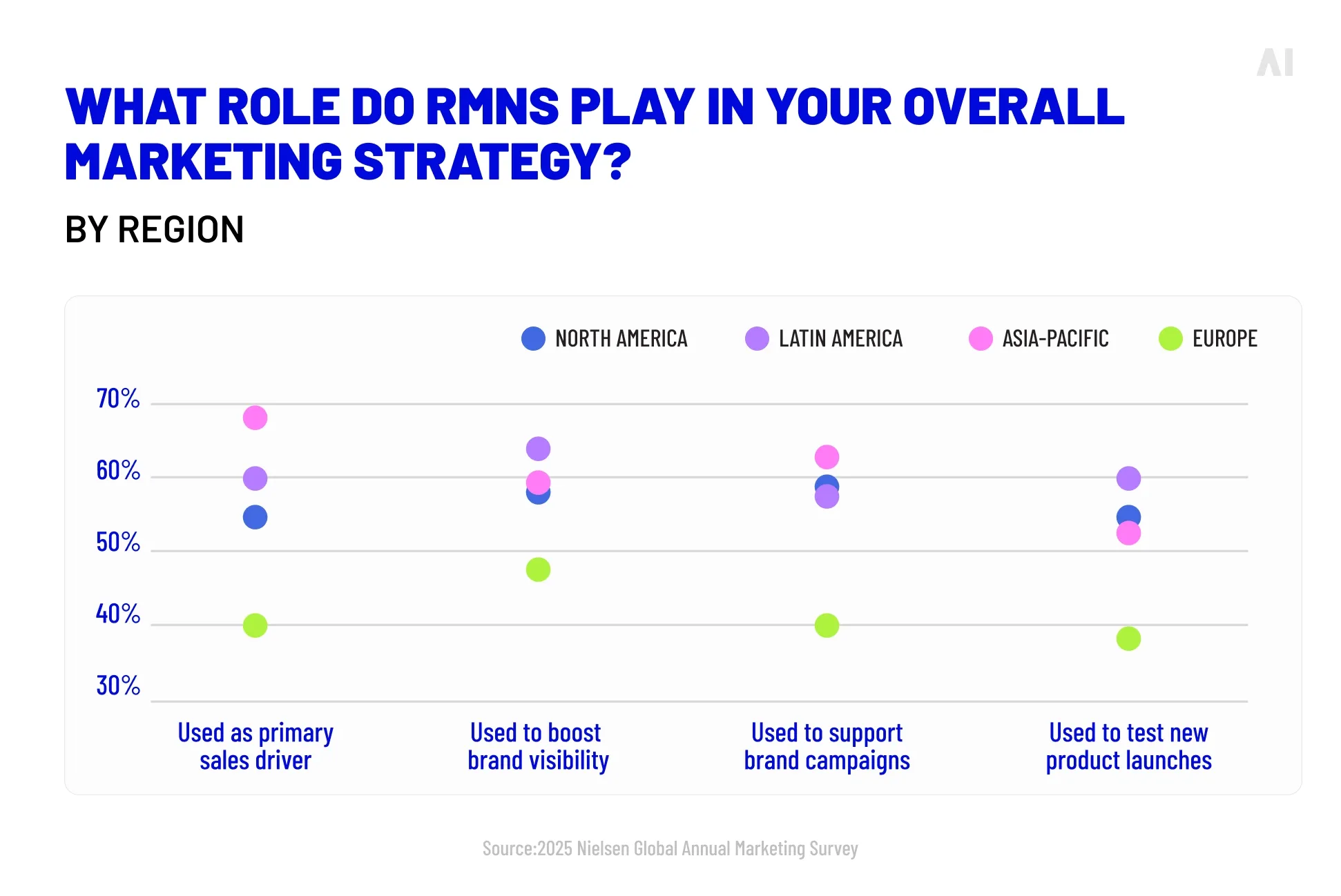
- Retail media networks and marketplaces
- Influencer and creator content
⚡ New channels keep arriving faster than old ones disappear. You don’t need to be everywhere; you need to be very intentional about where you show up and why.
On top of that, creator and influencer spending alone in the US is projected to reach $37 billion in 2025, growing roughly four times faster than the broader media industry.
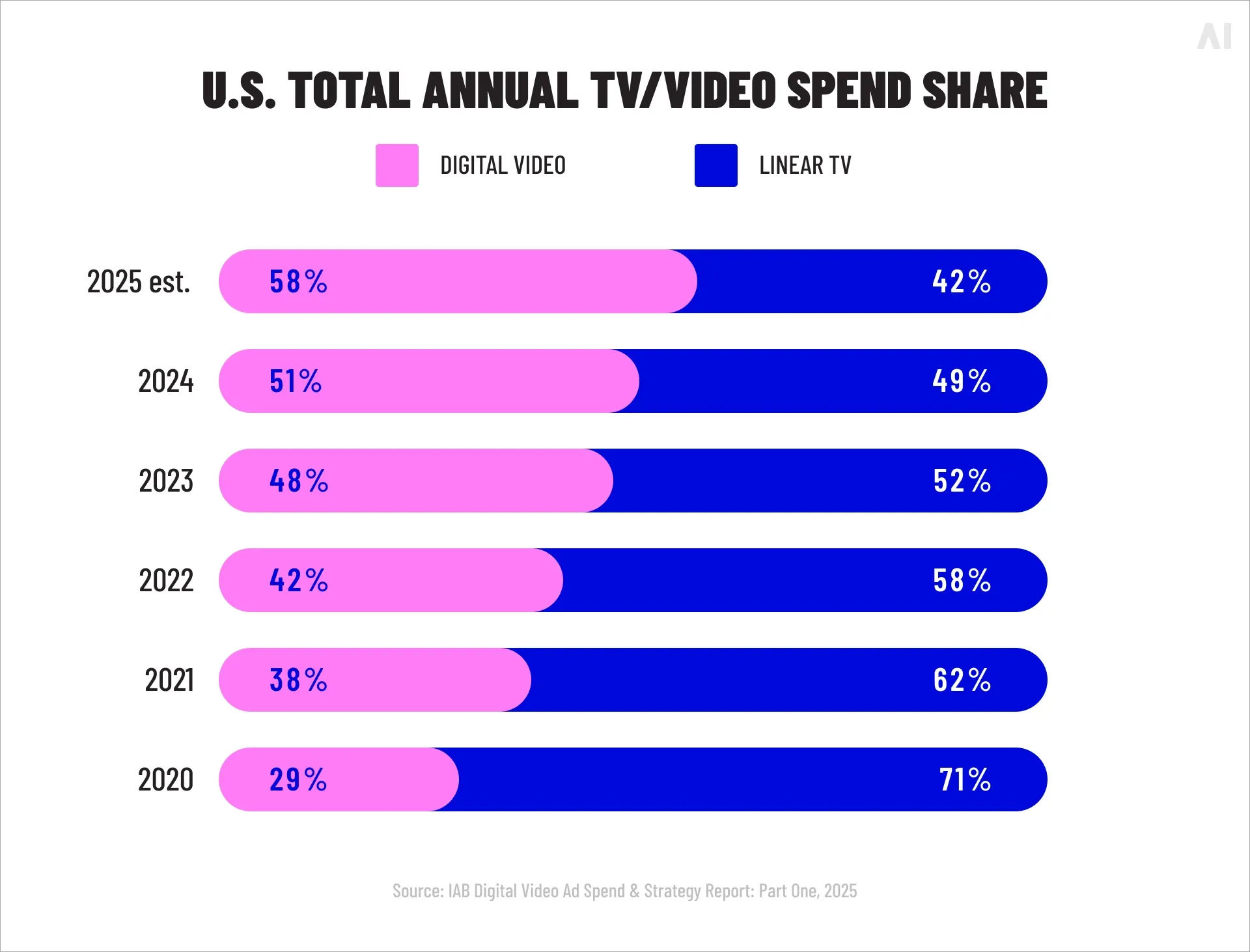
For planners, this fragmentation means there is no single “hero channel” that reaches everyone. The job becomes building an integrated plan that combines channels with clear roles: some for reach, some for intent, some for conversion.
Research on omnichannel campaigns backs this up. Campaigns that use three or more channels can see purchase rates almost three times higher than single-channel campaigns.
For buyers, the implication is that you need execution paths that can cover this range without losing control—for example, running CTV, display and digital audio from the same DSP, or coordinating direct TV deals with biddable digital campaigns.
AI-driven targeting and forecasting
AI is no longer experimental in media operations. It sits inside:
- DSP bid strategies
- Budget reallocation and pacing
- Audience expansion and lookalike modeling
- Conversion and churn prediction
- Creative optimization
Surveys suggest that by 2024, around 69% of marketers had already incorporated AI into their marketing strategies, up from 61% the previous year. Another study found that 60% of marketers expect AI and machine learning to have the biggest impact on marketing strategies over the next five years.
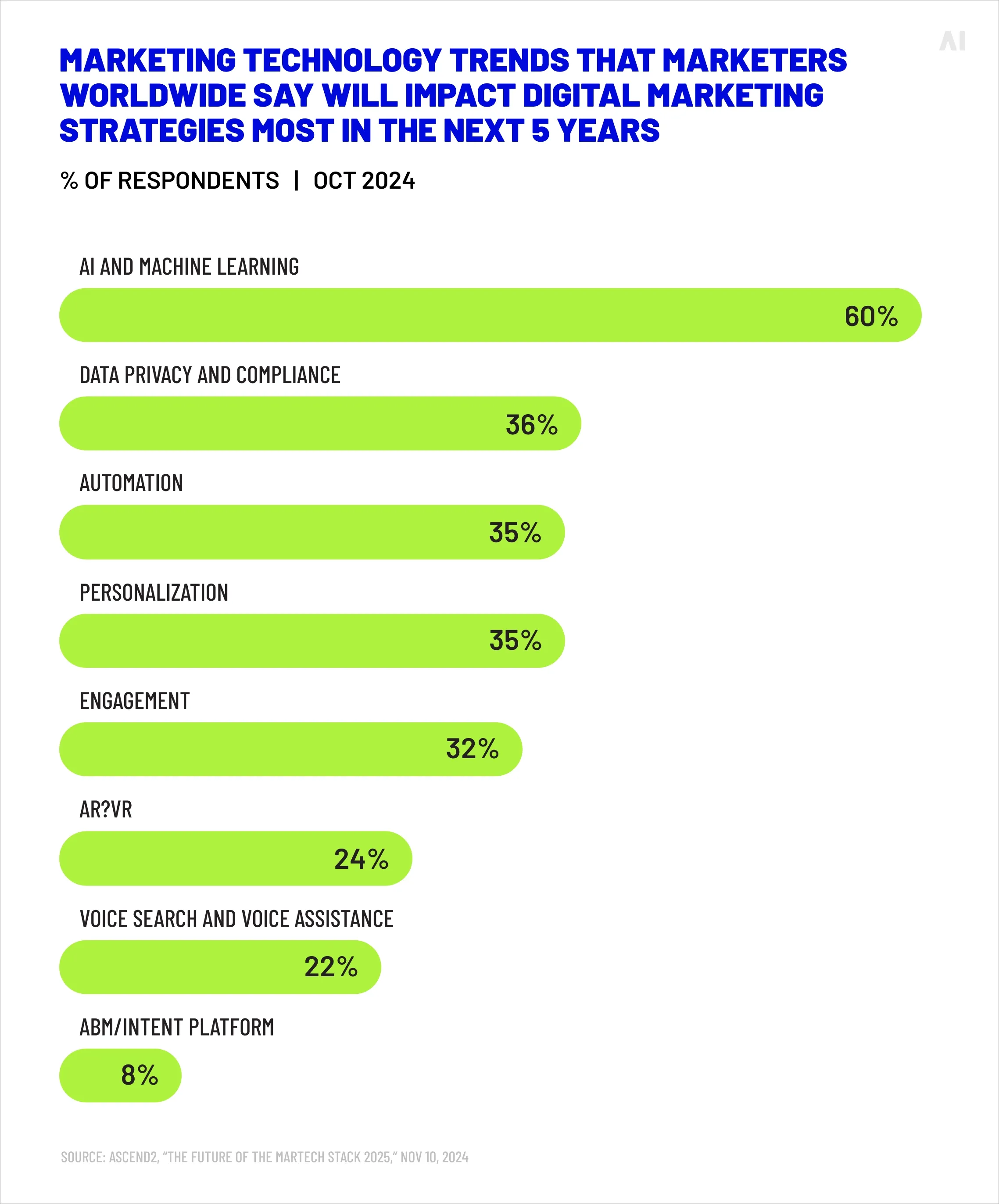
For media planning, that means you can move from gut-feel budget splits to data-backed forecasting: simulating different media mixes and letting models estimate outcomes. For media buying, it means using machine learning bid strategies on major platforms and DSPs to optimise toward ROAS, CPA or other goals in real time.
⚡ AI works best when the inputs are clean and the goals are unambiguous. It can amplify good strategy and surface patterns you’d never spot manually, but it can’t rescue a vague brief or a broken measurement setup.
Of course, AI comes with a responsibility layer. More than 70% of marketers say they’ve already encountered AI-related issues in their advertising, such as biased targeting or off-brand creative.So the modern media team needs both the tools and the guardrails.
💡 AI Digital’s piece on AI in digital marketing digs into how to use automation responsibly across targeting, forecasting and measurement.
Cross-channel measurement
As media becomes more fragmented, measuring what works becomes harder. Different platforms count differently, and user-level tracking is less reliable than it used to be.
⚡ If you only measure the last click, you’ll keep over-investing in channels that are good at closing, not at creating demand. A full-funnel view shows how much upper- and mid-funnel media carry the load and directly changes where your next dollar goes.
Marketers feel that pain: one recent survey found that 34.2% of marketers say their company rarely or never measures the ROI of its marketing spend, and almost half don’t understand how results link back to decision-making. A 2025 Supermetrics marketing data report adds that 41% of marketers struggle to measure ROI effectively across multiple channels, underscoring how hard cross-channel attribution still is in practice.
For media planning, this shifts measurement from an afterthought to a core part of the brief. You need to decide upfront:
- What counts as success at each stage of the funnel
- How you will attribute impact (platform attribution, multi-touch models, MMM, incrementality tests)
- Which partners can share enough data to support that
For media buying, this flows into how you tag campaigns, what pixels you use, how you implement server-side tracking, and how you connect platforms to a central analytics stack.
Increasing pressure on ROAS
Every marketing leader is under pressure to prove that spend is working. That pressure is only intensifying as budgets grow and CFOs ask harder questions.
At the same time, poor frequency management and scattered buying can burn budget quickly. One recent study found that 88% of consumers notice repetitive ads, and large majorities say they get annoyed when the same ad follows them across mobile apps, social media, streaming TV and cable. That kind of overexposure is a direct hit to ROAS.
Add in the fact that incrementality studies from Measured, based on 274 experiments across 60 enterprise brands, found CTV platforms under-report their impact by nearly 20% on average and in some cases misstate incremental conversions by 5–10x, and you get a clear theme: attribution gaps can leave reported ROAS 20% or more off reality, so media planning and media buying need to be engineered for actual profitability, not just platform dashboards
⚡ Platform dashboards are designed to show strong results inside their own walls, but your P&L only cares about incremental profit and real cash flow. Modern media planning and buying have to bridge those two views, or you risk “winning” in the UI while losing in the business.
The media planning process
Let’s walk through a practical media planning and buying process, starting with planning. Think of this as a five-step loop you’ll run for each major campaign or planning period.
1. Setting goals & KPIs
Everything starts with clear, quantifiable goals.
Good goals are:
- Specific – “Increase qualified leads by 25% in Q2” rather than “Grow awareness”
- Measurable – tied to KPIs you can actually track
- Time-bound – aligned to planning cycles or campaign windows
For media planning and strategy, the most common goal types are:
- Awareness – reach, impressions, GRPs, on-target reach
- Consideration – video completion rate, engaged visits, time on site, search volume lift
- Conversion – sales, leads, sign-ups, cost per acquisition
- Efficiency – ROAS, cost per incremental outcome, cost per lift point
{{26-Media-Planning-and-Buying-4="/tables"}}
From there, you design KPIs that map to each goal and decide which ones are primary vs supporting.
💡 Our KPI primer breaks out 15 digital metrics that work well for this, from CPM to incrementality.
2. Audience research and segmentation
Next, you define who you’re trying to reach and how they break down into segments.
Inputs usually include:
- First-party data (CRM, site analytics, app data)
- Platform audience insights (Meta, Google, Amazon, TikTok, etc.)
- Third-party research (panels, syndicated data, category reports)
- Past campaign performance (which audiences responded, which didn’t)
From this, you can build personas or clusters such as:
- “High-intent shoppers who’ve viewed product pages in the last 30 days”
- “Lapsed customers who bought once last year but not since”
- “Prospects in-market for your category based on search or browsing behaviour”
Good digital media planning and buying services go further and quantify each segment’s size, value and cost to reach. This helps you decide where to focus and where to use lighter support.
3. Selecting media channels
With goals and audience in place, you can decide which channels should carry the load.
Here you’re balancing:
- Where your audience actually spends time
- The strengths of each channel (reach, precision, intent, engagement)
- Creative formats that fit your messaging
- Budget level and minimums
A B2C launch might combine:
- TV/CTV for rapid reach
- Programmatic video for incremental reach and frequency control
- Social for engagement and creative testing
- Search and shopping ads to convert demand
- Retail media to reach shoppers at the point of purchase
For video especially, programmatic is now the default.
💡 Our guide to programmatic video advertising explains how CTV, online video and social video can all be planned together for incremental reach and outcome-based optimization.
4. Budget allocation & forecasting
Once you know which channels are in play, you decide how much to invest in each.
Modern media planning combines:
- Historical performance data – past ROAS, CPA, cost-per-lift by channel
- Market benchmarks – typical CPMs, CPCs, CPAs in your category
- Forecasting models – sometimes powered by AI, to predict diminishing returns and optimal splits
Many marketers now rely on AI-powered modeling: global research from BCG and Google, for example, has shown that companies leading in AI-driven marketing see revenue growth around 60% higher than peers, precisely because they use models to allocate budget more intelligently.
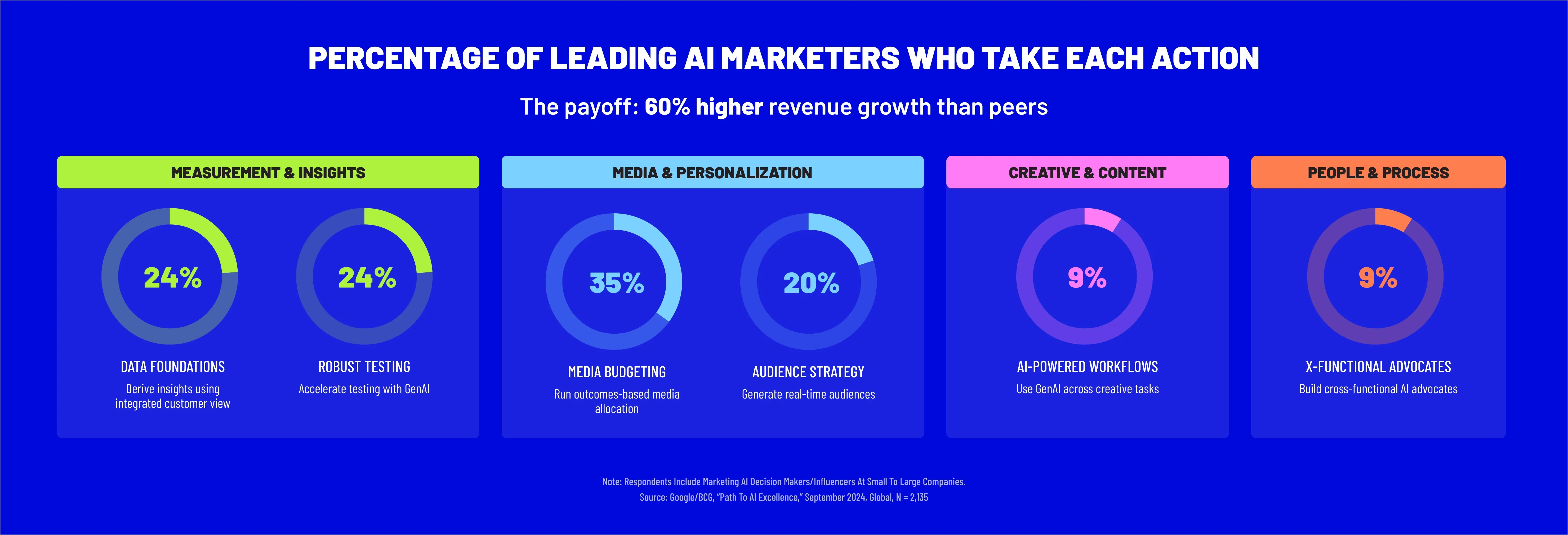
This is where digital media planning and buying intersect. If you know from previous campaigns that programmatic video hits your incremental reach target at a lower cost than social video after a certain point, you can bake that into your allocation.
5. Creating the media plan
Finally, all of that thinking becomes a media plan you can execute.
Typically, this includes:
- A written strategy summary – objectives, audience, key insights
- A channel-by-channel breakdown – spend, timing, expected outcomes
- Flowcharts – week-by-week or month-by-month spend and activity
- Creative requirements – formats, specs, messaging themes
- A measurement and test plan – what you’ll test, and how you’ll judge success
This is the document you’ll hand to your media buying team, agency, or platforms. For larger advertisers, this might be a rolling annual digital media planning and buying process with quarterly refreshes; for smaller brands, it might be campaign by campaign.
Either way, once the plan is approved, you move into media buying.
The media buying process
The media buying process takes the plan and turns it into live campaigns. Here’s how that typically unfolds.
{{26-Media-Planning-and-Buying-5="/tables"}}
1. Choosing buying platforms
First, buyers decide how to access the inventory called for in the plan:
- Which DSP(s) for programmatic display, video and CTV
- Which self-serve platforms (Google Ads, Meta, TikTok, Amazon, retail media networks)
- Which publishers or networks to buy from directly
This is where the “media buying in advertising” decisions get real. For example, you might:
- Use one DSP to consolidate display, video and CTV
- Run paid search and shopping through Google Ads
- Use social platforms’ native tools for audience-based buying
- Layer on a specialist retail media platform for marketplace placements
Good buyers also consider data access and transparency here. The Open Garden approach used by AI Digital, for example, is all about avoiding a single closed stack and instead partnering with multiple DSPs, data marketplaces and supply partners so you can pick the best route for each client.
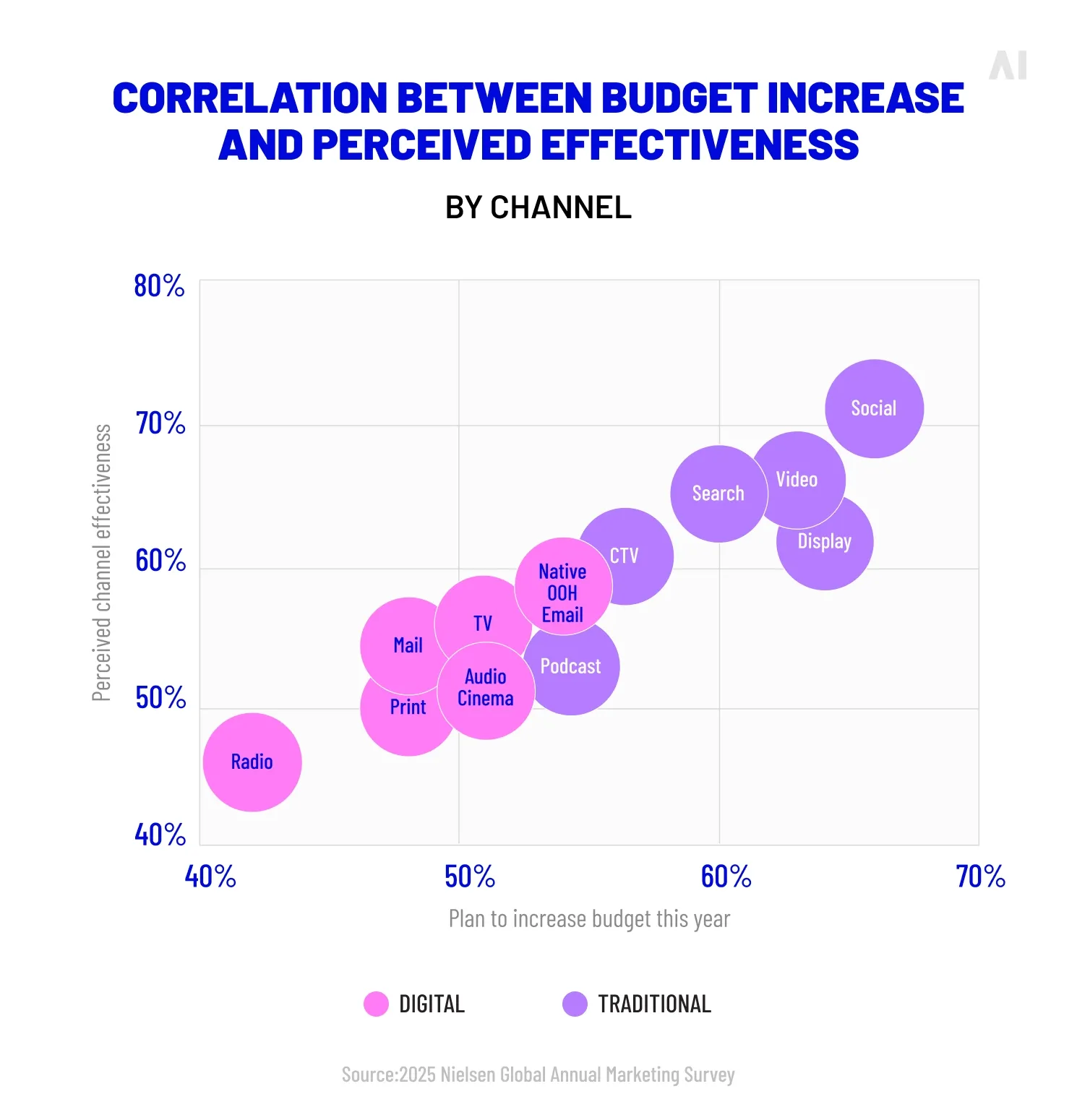
💡 For more on DSP, please refer to our explainer: Demand-side platform (DSP): How it works, benefits, and examples
2. Negotiation & inventory selection
Next, buyers decide what to buy and on what terms. That includes:
- Issuing RFPs to premium publishers or TV networks
- Negotiating rates, value-add placements, and audience guarantees
- Setting up PMPs or programmatic guaranteed deals for specific sites, apps or CTV publishers
- Defining targeting rules inside DSPs and self-serve platforms
Here, media buying strategy is about balancing:
- Quality vs scale
- Fixed deals vs auction-based flexibility
- Price vs performance risk
This is also where buyers put brand safety, viewability and fraud filters in place, using tools and blocklists to protect the brand.
3. Campaign activation
Once deals are agreed or campaigns configured, buyers activate the media:
- Trafficking creative assets and tags
- Implementing tracking pixels and server-side events
- Setting bid strategies (e.g. target CPA, target ROAS)
- Applying frequency caps, pacing rules and budget limits
- Aligning go-live dates with the media plan
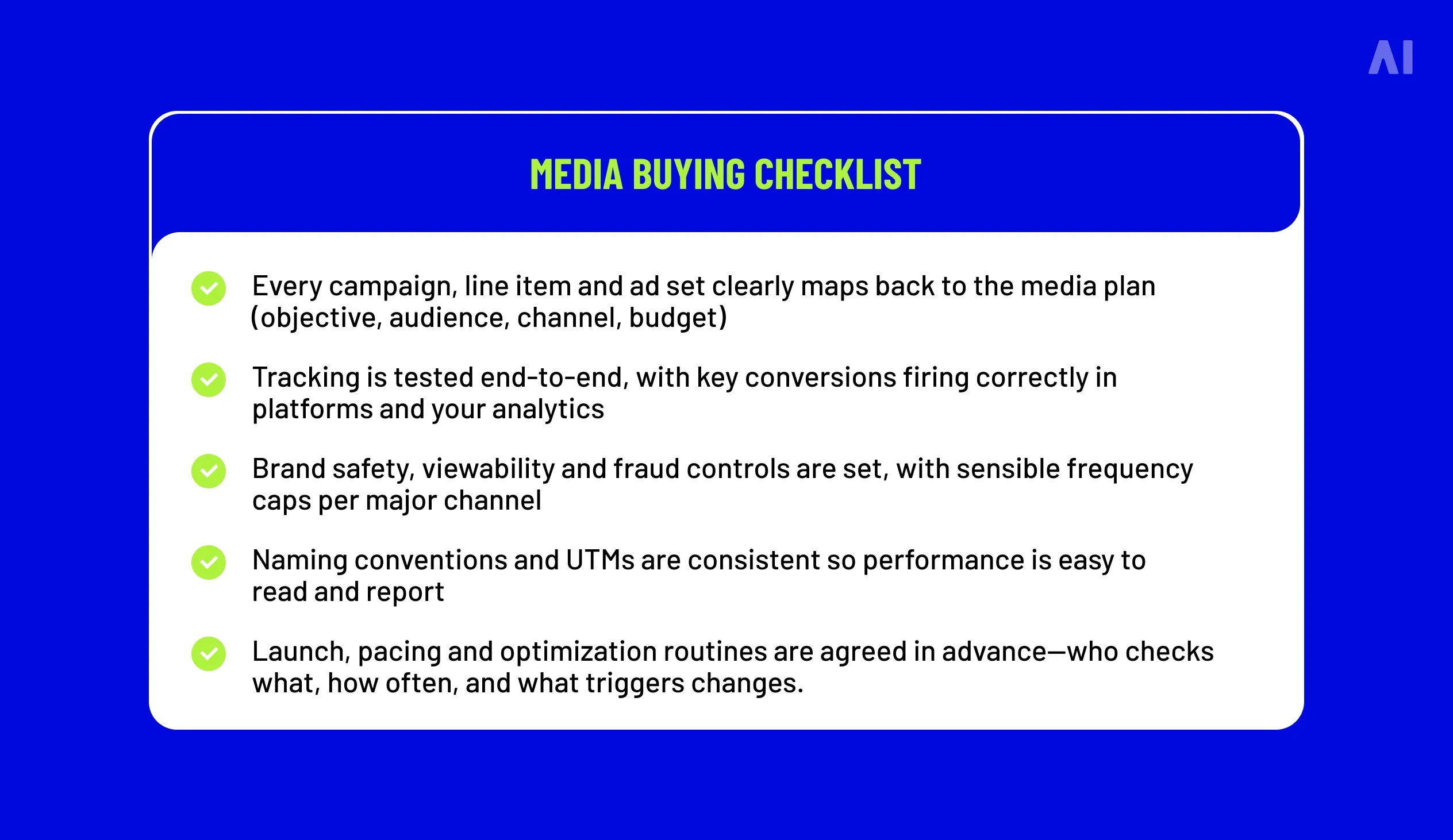
This step is often where a lot of operational complexity sits, especially in online media planning and buying across many platforms. Clean naming conventions, consistent UTM parameters and organised campaign structures make later optimization much easier.
💡 For an explainer on RTB, see What is real-time bidding (RTB): Definition, benefits, and how it works
4. Optimization
Once campaigns are live, the focus shifts to continuous optimization. This is where the difference between “set-and-forget” media buying and modern, AI-supported buying really shows.
Buyers monitor:
- Performance vs KPIs for each line item, audience and creative
- Win rates, clearing prices and delivery pace in programmatic auctions
- Frequency across channels to spot overexposure
- Brand safety flags and placement quality
Then they act:
- Reallocate budget to better-performing channels, audiences, or creatives
- Adjust bids and bid strategies
- Rotate out underperforming ads and test new variants
- Tighten or expand targeting based on results
On major biddable platforms, a lot of this is assisted by algorithms — for example, using target ROAS or value-based bidding strategies that let the platform optimize auctions.
💡 AI Digital’s article on AI in DSPs explains exactly how to tune these models to real business goals.
5. Measurement & reporting
Finally, buyers (often together with planners and analysts) measure and report on what happened.
That usually includes:
- Delivery vs plan (impressions, reach, spend, pacing)
- Outcome metrics (conversions, revenue, leads, brand lift)
- Efficiency (CPA, ROAS, cost per incremental outcome)
- Channel and creative insights (what worked, what didn’t)
- Recommendations for the next cycle
Modern teams plug all of this into unified dashboards so planning and buying can view performance side by side, rather than exporting static spreadsheets from each platform.
💡 AI Digital’s piece on advertising intelligence shows how live dashboards replace weekly slide decks and spot issues fast.
The key point: the media planning and buying process is a loop. What you learn in reporting should materially change the next plan.
Types of media planning and buying
Different campaigns call for different media planning and buying services. Four big types show up most often.
{{26-Media-Planning-and-Buying-6="/tables"}}
Traditional media buying
This covers offline channels such as:
- Linear TV
- Radio
- Print (newspapers, magazines)
- Out-of-home (billboards, transit, street furniture)
TV media planning and buying are still central for many brands, especially when you need mass reach or broad demographics. The approach is more calendar-driven, with upfront commitments, GRP targets and fixed spots.
Digital media buying
Here we’re talking about:
- Display and native ads
- Search and shopping campaigns
- Social ads
- Digital video (including pre-roll and social video)
- Mobile and in-app advertising
- Retail media
Digital media buying brings higher precision, richer data and the ability to optimize rapidly. It introduces more complexity too, which is why many brands look for a media planning and buying agency with strong digital expertise.
Programmatic media buying
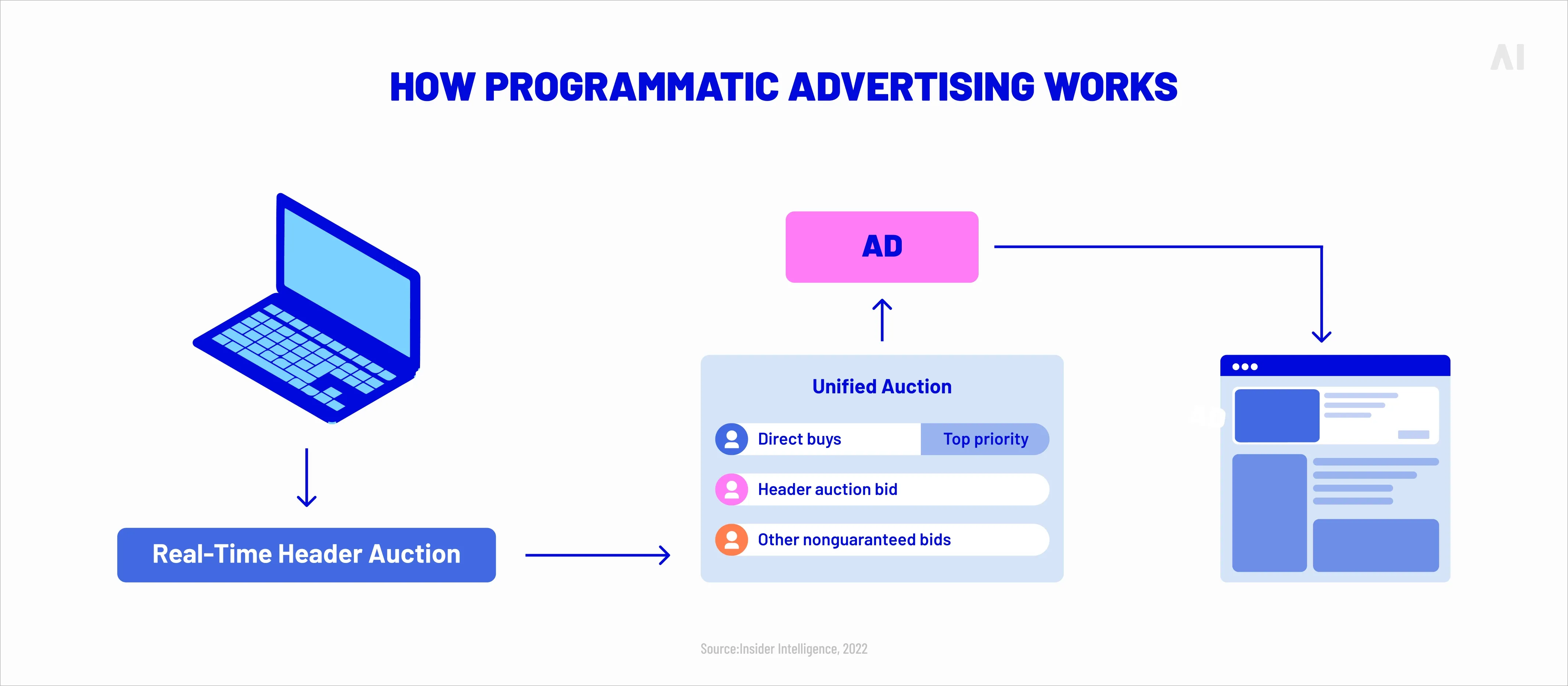
Programmatic sits inside digital, but it’s worth calling out. It is:
- Automated – bids and placements determined by software in milliseconds
- Data-driven – using audience data, contextual signals and performance history
- Channel-agnostic – can cover display, native, video, audio, CTV, DOOH
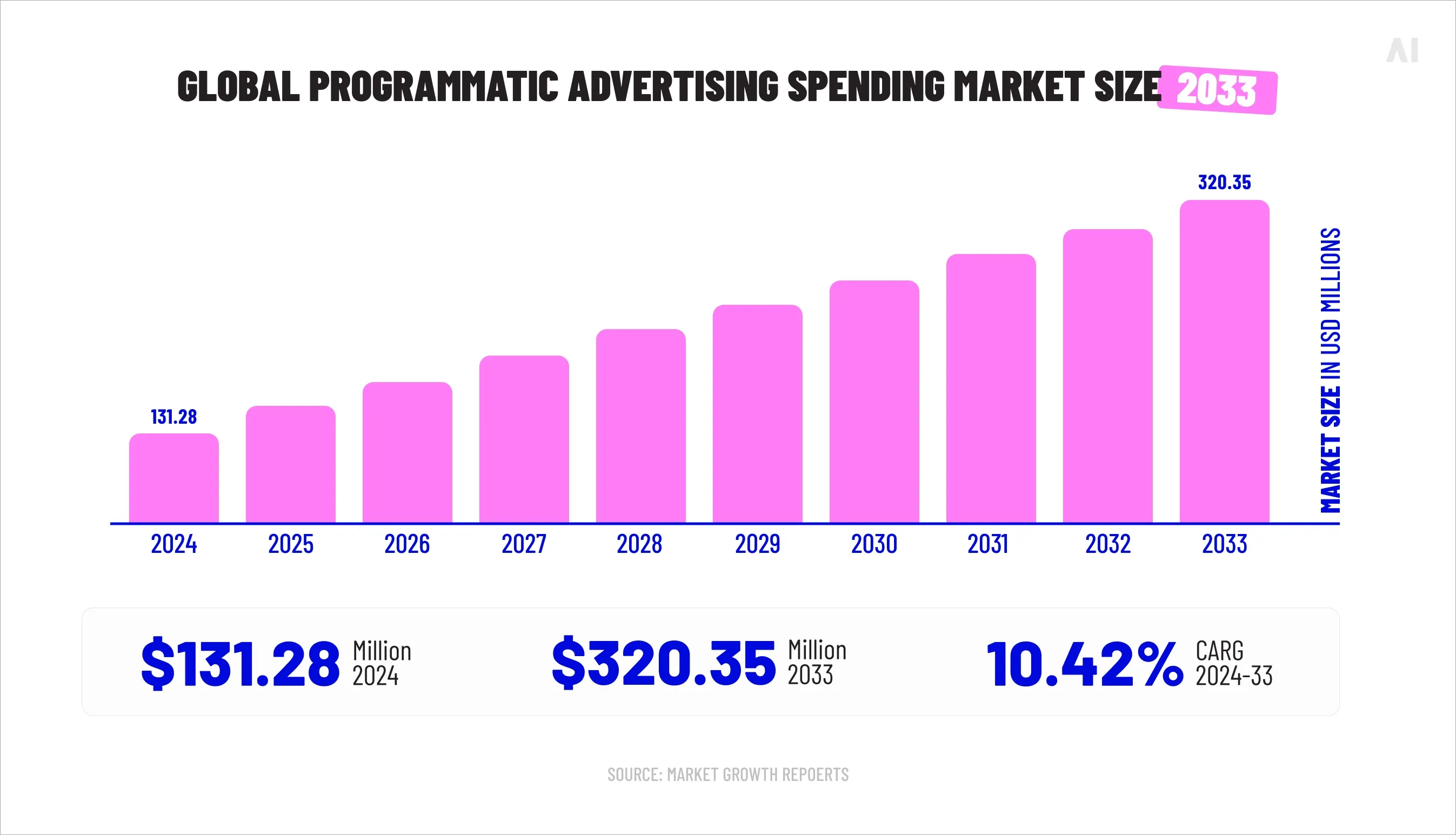
Global programmatic ad spending is forecast to keep growing into the hundreds of billions of dollars this decade, reflecting how much of digital media purchase now travels through these pipes.
The upside: scale and control. The trade-off: you need clear rules, transparency and strong optimization — which is exactly where Smart Supply-style approaches (selected inventory, log-level analysis, outcome-based optimization) make a difference.
In-house vs agency media buying
Finally, there’s the question of who runs your media planning and buying.
- In-house teams give you closer control, faster coordination with other functions, and better use of first-party data.
- Agencies and consultancies bring specialist expertise, buying power, tech stacks and outside perspective.
In practice, many brands are now moving to a hybrid model. Research from the World Federation of Advertisers shows that around two-thirds of major multinationals now have some form of in-house agency, and more than half expect to move additional digital production and media tasks in-house over the next three years.
In that world, a partner like AI Digital acts as a programmatic consultancy sitting alongside your team: helping with strategy, DSP selection, digital media buying software configurations and measurement, while your in-house crew owns day-to-day execution on certain platforms.
💡 For more information on programmatic advertising platforms and how AI Digital fits into that landscape, explore: Best programmatic advertising platforms: How to choose the right stack
Common challenges and how to solve them
Even with good tools and smart people, there are some recurring problems in media planning and buying. Here are four that come up again and again—and practical ways to respond.
Fragmented channels
Audiences are splintered across dozens of platforms and devices. That makes it easy to:
- Overexpose some users with repetitive ads
- Under-serve valuable segments
- Double-count reach across channels
As mentioned previously, omnichannel studies show that campaigns using three or more channels can dramatically outperform single-channel campaigns on purchase rate. The problem is doing that without losing control.
How to solve it:
- Plan with a clear “channel role” framework: what each channel is responsible for
- Consolidate buys where it makes sense (e.g. one DSP for video and CTV, rather than five separate silos)
- Implement cross-channel frequency caps wherever possible, especially inside programmatic buys
- Build creative systems that can flex by channel while still feeling consistent
Privacy changes
Third-party cookies and mobile identifiers are being restricted or removed. That knocks out many of the traditional methods for behavioural targeting and deterministic attribution.
In one recent survey, 69% of advertisers said that third-party cookie deprecation will affect their business more than privacy laws like GDPR and CCPA. Another analysis found that while three-quarters of marketers still rely on third-party cookies, the brands that lean heavily into first-party data see much better performance.
How to solve it:
- Invest in a robust first-party data strategy: CRM, loyalty, login, consented tracking
- Use clean rooms and secure matching where appropriate to connect your data with publishers and platforms
- Shift more budget to contextual targeting and high-quality inventory where audience and content naturally align
- Evolve measurement from pure last-click towards mixed models (aggregated conversion modeling, MMM, incrementality tests)
💡 AI Digital’s article on operating in a cookie-less world goes deeper into the practical implications and solutions.
Inefficient budgeting
Without tight planning and active optimization, it’s easy to:
- Spend too much on channels that have already saturated your audience
- Chase vanity metrics at the expense of incremental outcomes
- Pay for impressions that aren’t viewable or don’t reach real people
A big driver of waste is uncontrolled frequency: research regularly shows that showing the same ad too often reduces attention and increases frustration, especially in mobile apps and social feeds.
How to solve it:
- Use zero-based budgeting principles: justify each line of spend based on expected impact
- Model diminishing returns in your planning so you know when extra spend stops adding much
- Use robust ad verification tools to reduce fraud and non-viewable impressions
- Build a culture of experimentation – shifting budget based on test results, not just channel traditions
Measuring full-funnel impact
Brand campaigns may not show immediate conversions. Performance campaigns may take credit for users who were already convinced. And cross-device journeys blur the trail even further.
In fact, many marketers struggle with full-funnel measurement. Nielsen’s 2023 Annual Marketing Report found that only 53% of marketers are confident in their ability to measure performance across the full funnel, and 69% say that digital media and audience fragmentation make it hard to understand how channels work together.
In turn, WARC and Google warn that an over-reliance on short-term metrics can obscure as much as 50% of the total media returns generated by longer-term brand building, leaving teams without a holistic view of upper-, mid- and lower-funnel impact.
How to solve it:
- Design a measurement framework that combines:
- Platform attribution for tactical decisions
- Multi-touch attribution or data-driven models where identity allows
- Marketing mix modeling and incrementality tests for cross-channel, long-term insight
- Align KPIs by funnel stage (awareness, consideration, conversion) so each channel has realistic targets
- Use brand lift studies, search lift, and CRM matchback to quantify the effect of upper-funnel media
Best practices for media planning and buying
Given those challenges, what does “good” look like in 2026? Here are four principles that consistently separate strong media planning and buying from the rest.
⚡ The strongest media plans in 2026 don’t try to predict everything. They create a clear strategy, wire in the right data, then learn and adapt fast.
Integrate planning + buying workflows
When planning and buying sit on different floors (or with different vendors) and rarely talk, performance suffers.
Best practice:
- Use a single shared brief and workspace where planners, buyers, analysts and creative teams can collaborate
- Involve buyers early in planning so they can flag feasibility, costs and platform quirks
- Feed real performance data back into planning templates after every campaign
- When you work with a media planning and buying agency, ensure they have direct access to your analytics and first-party data instead of working only from platform UIs
At AI Digital, for example, media planners, Smart Supply specialists and Elevate strategists operate on the same reporting spine. That means forecasts, bids and creative tests are drawing from the same source of truth.
Use AI for bidding and forecasting
AI should be doing the heavy lifting in two main places: budget decisions before launch and bidding decisions after launch.
On the planning side, AI-based models can:
- Estimate the impact of shifting budget between channels
- Predict diminishing returns by spend level
- Suggest the best mix for a given objective (e.g. incremental reach vs pure conversions)
On the buying side, platform and DSP algorithms can:
- Optimize bids in real time
- Identify high-value lookalike audiences
- Adjust budgets automatically between ad sets or line items
It’s worth noting that McKinsey estimates generative AI could increase the productivity of the marketing function by 5–15% of total marketing spend, effectively freeing a meaningful slice of budget and team capacity to be redeployed into higher-impact activity.
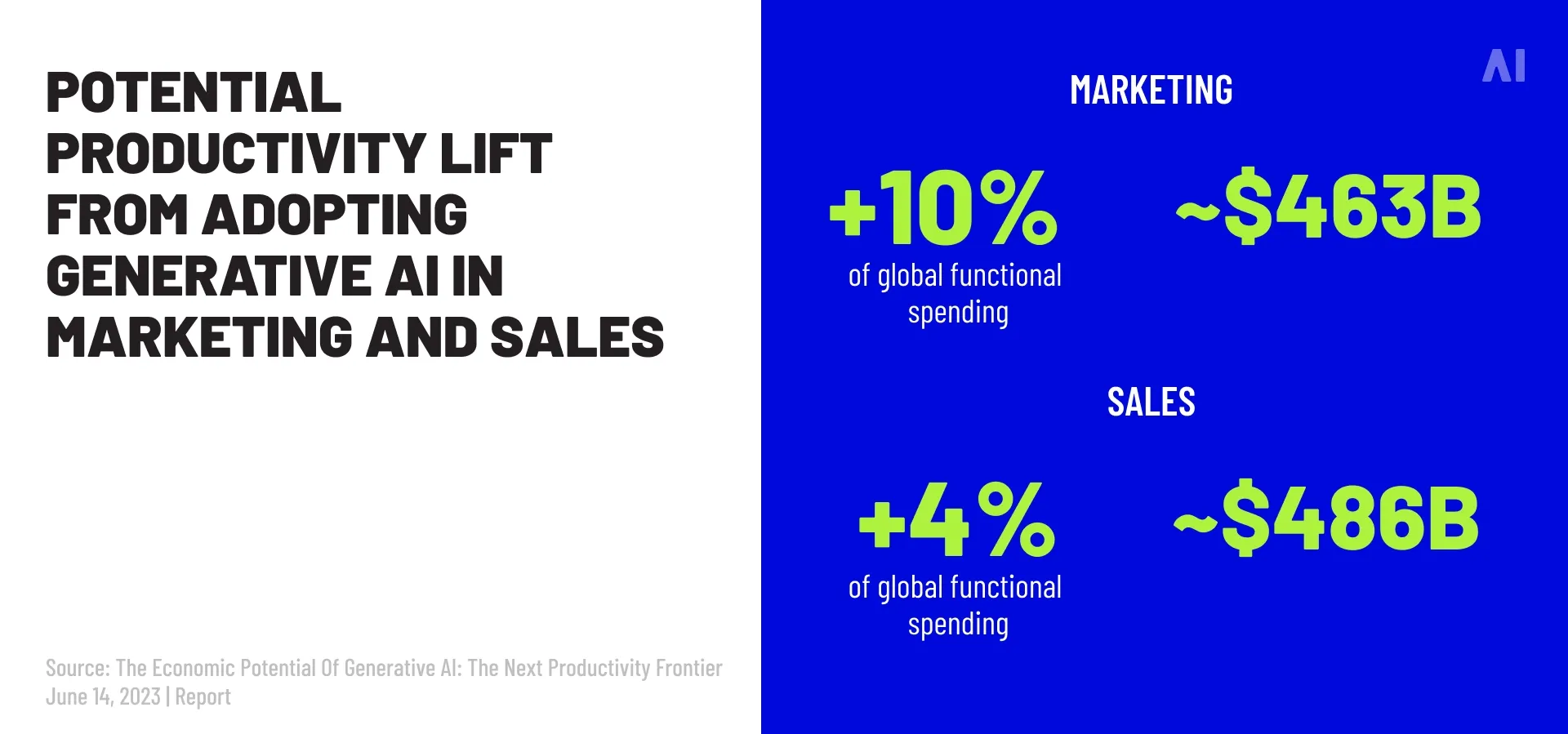
The practical takeaway: use AI aggressively, but within guardrails. Tie models to meaningful conversion events, watch for bias and drift, and maintain human oversight on strategy and brand fit.
💡 For more info on AI impact on media buying and planning, check out our dedicated piece: How AI will transform media buying & planning
Use creative personalization
Media gets you in front of the right people; creative gets them to care.
Personalized or highly relevant creatives tend to deliver stronger engagement and conversion rates. That doesn’t only mean inserting a first name into a headline. It means:
- Adjusting messaging by audience segment (e.g. value-focused vs premium-focused)
- Tailoring imagery and offers by geography or context
- Using dynamic product ads that show items someone has actually browsed
First-party data is central here. Brands that use first-party data to drive personalization see, on average, around 2.9x higher revenue and 1.5x greater cost savings than those that do not.
AI Digital platform build on that by turning campaign data into concrete optimization decisions—highlighting which levers to pull across channels and audiences, where to shift budget, and which changes are most likely to improve performance against your custom KPIs.
Use unified dashboards and cross-channel attribution
Finally, bring measurement together. If every platform and channel is judged in its own silo, two things happen:
- You over-credit last-click channels like branded search
- You underfund upper-funnel and mid-funnel tactics that actually make those clicks possible
Best practice:
- Build or adopt a unified marketing dashboard that pulls in cost and performance data from all major channels
- Use multi-touch attribution or data-driven models wherever identity and data quality allow
- Complement that with MMM and incrementality tests for long-run, cross-channel decisions
- Train teams to read and question the data, not just copy it into slides
This is where media planning and buying become a genuine system: planners see exactly how last quarter’s spend mix performed, buyers see how their optimizations changed the curve, and everyone can adjust in near real time.
Conclusion: building effective media planning & buying workflows
Media planning and buying used to be mainly about relationships, gut feel and rate cards. In 2026, they are closer to connected systems:
- Strategy and execution are joined up
- AI and automation handle the repetitive work
- First-party data and clean measurement shape big decisions
The fundamentals still matter: clear goals, solid audience insight, thoughtful channel mix, sharp creative. What has changed is the toolkit and the level of scrutiny. With most spend flowing through digital channels and programmatic pipes, the gap between strong and weak execution has grown wider.
AI Digital’s ecosystem—our Open Garden framework for DSP-agnostic, transparent execution, Smart Supply for AI-powered premium supply selection, and Elevate for cross-platform planning, optimization and insight—helps brands build media planning and buying workflows that stay effective as channels, privacy rules and costs keep shifting.
If you want to see how that could work for your team in practice, take a look at what we do. From there, you can schedule a chat with our specialists to review your current media planning and buying setup, identify quick wins in supply quality and bidding, and design a roadmap for better measurement and cross-channel optimization.
⚡ If planning picks the right battles and buying executes with discipline, you don’t just spend more. You learn faster, waste less, and grow with intent.