Copywriting for Digital Marketing: What Works in Paid Ads in 2027


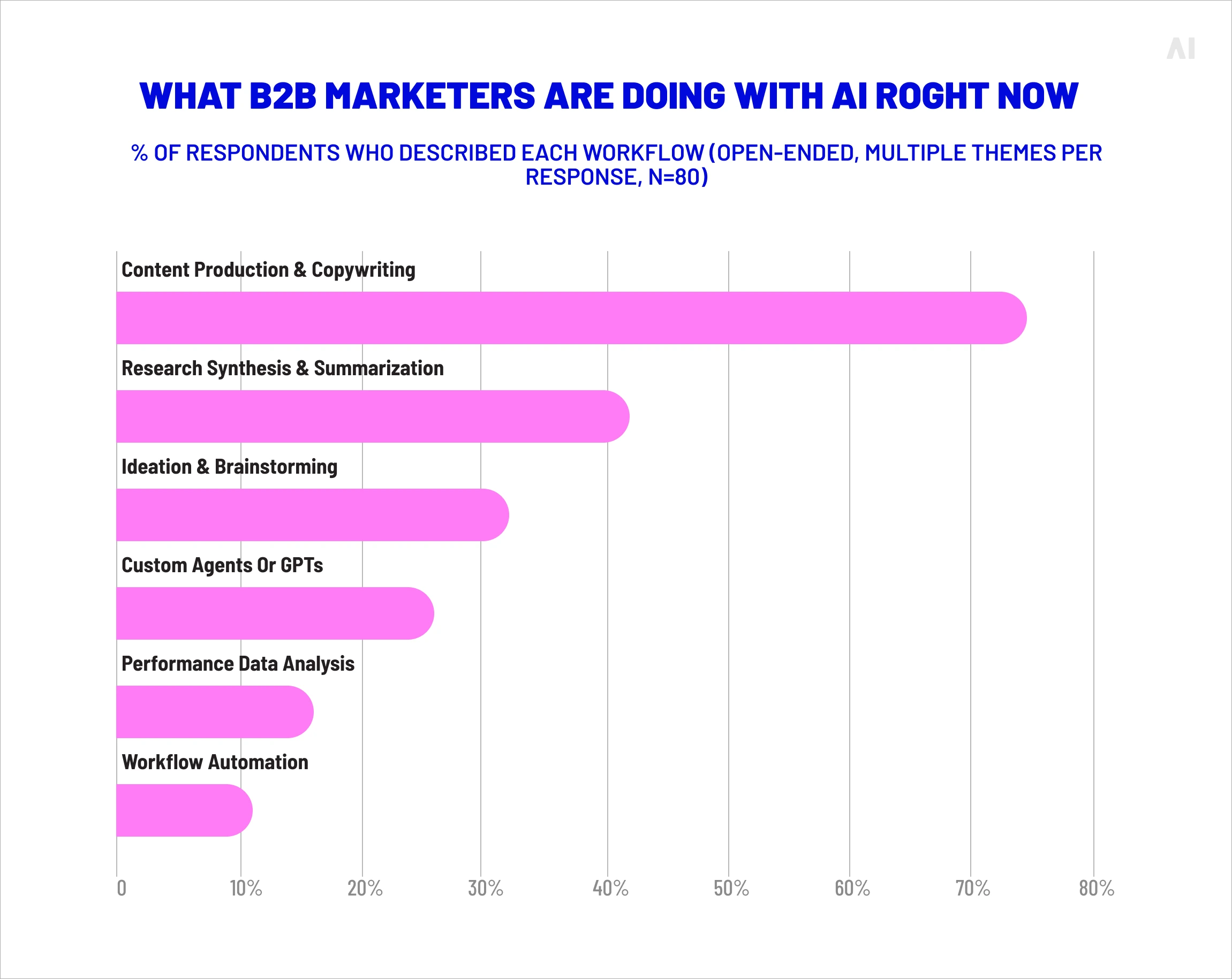
Copywriting for digital marketing gives people a reason to act across websites, email, social media, and advertising. Producing more messages has become easier: HubSpot’s 2026 State of Marketing report finds that 80% of marketers use AI for content creation. Yet Salesforce’s 2026 report finds that 84% still run generic campaigns. The challenge is making each message relevant. As Bobby Jania, Salesforce’s Agentforce Marketing CMO, argues, effective personalisation depends on giving AI meaningful customer context.
Paid advertising places particular pressure on clarity and relevance. In search ads, copy responds to an expressed need; in social and display formats, it introduces an offer as people browse other content. This guide examines how audience intent, value, proof, and CTAs shape paid ad messaging—and how that message carries through to the landing page.
TL;DR: Copywriting for Digital Marketing
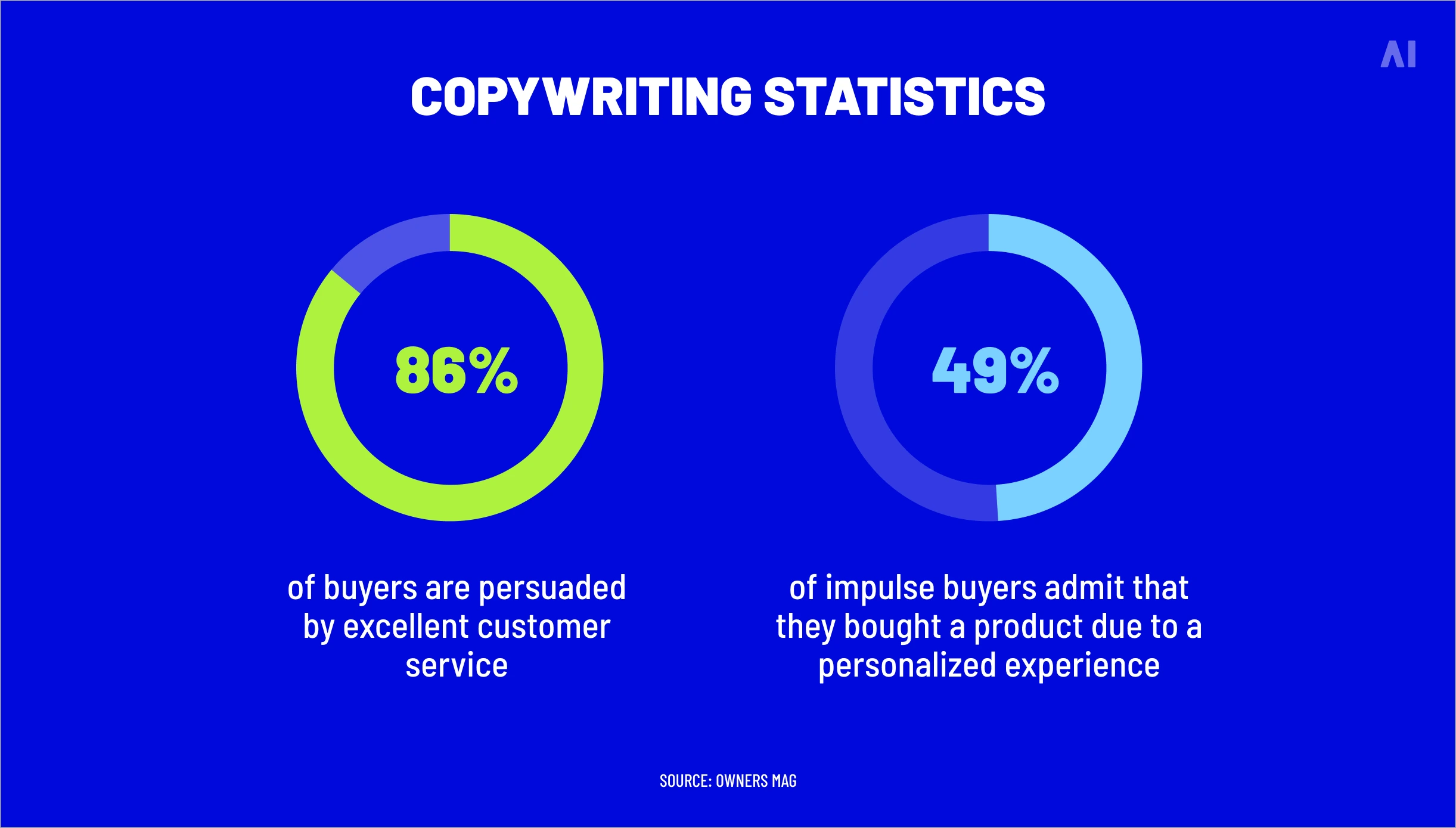
- Audience relevance starts with context. Copy can address a specific problem and stage in the buying journey. In Adobe’s 2026 report, around 50% of respondents say they disengage when personalised experiences feel off or irrelevant.
- A clear value proposition explains why the offer matters. It connects what the product delivers with the cost or commitment involved. Adobe finds that 51% of customers select value for price as a factor shaping trust.
- Specific evidence gives people something to evaluate. Accurate product details, transparent pricing, and substantiated results support comparison. Adobe reports that 39% of customers conduct extensive research and comparison before buying.
- Message hierarchy makes the main point easier to recognise. A relevant hook can introduce the value, followed by proof and an appropriate action. In Adobe’s survey, 69% say brands have five seconds or less to capture attention in an email, ad, or social post.
- Platform adaptation allows one message to work across different formats. The offer can remain consistent while its hook, length, and presentation change. Kantar’s 2026 reporting finds that 43% of campaign performance in its 2020–2025 data came from channels working together. As Kantar’s Global Creative Director Vera Sidlova emphasises, effective campaigns connect creative and media decisions across channels.
- Continuity after the click clarifies the next step. A matching landing page carries the ad’s offer forward, while the CTA offers a step the visitor is ready to take. Only 12% of Adobe’s respondents feel ready to purchase after one personalised message, chat, or recommendation.
What Is Copywriting for Digital Marketing?
Copywriting for digital marketing is persuasive writing designed to move an audience towards a specific action through a digital channel. That action might be purchasing a product, requesting a quote, booking a demo, or subscribing. The copy explains the offer in terms that make its relevance and next step understandable.
It appears across websites, email, social media, advertising, and other digital touchpoints. This article concentrates on paid ad copy, where the message serves a defined campaign objective.
Paid Ads vs. Other Copy
Paid ads typically combine limited space, a brief opportunity to engage, and platform-specific format requirements. Their wording often needs to establish relevance before the audience chooses to explore further. The destination can then provide pricing, product details, and answers to questions the ad cannot fully cover.
These roles overlap. An article can support a sale, while a paid ad can build awareness without seeking an immediate purchase.
Effective Ad Copy in 2027

An ad can sound polished and still attract unsuitable clicks. Effective copy helps the intended audience recognise the offer, understand its terms, and decide whether the next step fits their needs.
Match the Message to Audience and Intent
Audience information becomes useful when it changes the message. People with the same job title can have different priorities and levels of familiarity with a product.
For a hypothetical appointment-booking platform, those differences might include:
- Discovery: The reader is exploring alternatives to managing bookings manually.
- Evaluation: The reader is comparing calendar integrations, payment support, or scheduling options.
- Decision: The reader wants to understand subscription terms and setup requirements.
Each situation calls for different information. A category explanation may help a newcomer, while a comparison-stage buyer needs details that support shortlisting.
Lead With One Clear Value Proposition
A value proposition gives the ad an organising idea. For the hypothetical platform, “Appointments, payments, calendars, and customer management” lists capabilities. “Appointments booked without back-and-forth calls” centres the message on a recognisable use case.
The distinction matters because readers otherwise have to work out how separate features relate to their situation. Supporting details become more useful when they explain that central proposition.
In Google Ads copywriting, Google’s guidance similarly connects the selling message with users’ needs and context.
A clear proposition can also qualify interest: naming the intended use helps people judge whether the offer fits their workflow before they click.
Use Specificity, Proof, and Credibility
Credibility grows when evidence answers the question raised by a claim. Different statements need different forms of support:
- Compatibility claims: Named integrations and clearly described functionality.
- Customer-experience claims: Attributed testimonials or documented case studies.
- Performance claims: A defined measurement period, relevant comparison, and identifiable scope.
Concrete details also make differentiators easier to assess. “Integrates with your existing calendar” becomes more useful when the supported calendar is named.
For quantified results, the surrounding context explains what was measured and under which conditions. A customer case describes that customer’s experience; it does not establish an outcome for every buyer.
Plan the Message First
A campaign brief gives ad copywriting a shared reference point: what the business is offering, who the message addresses, and which response the campaign is intended to generate.
Start With the Offer and Desired Action
The offer is the specific proposition being promoted: a product purchase, an assessment, a trial, or access to a resource. The desired action describes the next step, while the campaign objective explains what that response contributes to the business.
A hypothetical brief for a paid media audit could contain:
- Offer: A campaign audit with a written improvement plan.
- Audience: Marketing managers investigating inefficient advertising spend.
- Objective: Qualified enquiries for the audit service.
- Action: Request an initial consultation.
Here, the audit’s value lies in identifying where campaigns could improve. The consultation CTA explains how the process begins, and the destination clarifies the service’s scope.
Create a Clear Message Hierarchy
Message hierarchy determines which information deserves attention first and how the supporting elements relate to it. A useful planning sequence is:
- Hook: The situation or problem that makes the offer relevant.
- Value: What the audience gains from considering it.
- Proof: Why the proposition is credible.
- Action: The step that continues the interaction.
This sequence describes message roles rather than a fixed layout. In a short format, supporting evidence may appear in the visual or destination. Across multiple assets, those roles can be distributed while the proposition remains coherent.
A defined brief also gives AI performance marketing workflows a consistent offer and objective to work from when generating or adapting creative.
Headlines, Body Copy, and CTAs
Headlines, body copy, and calls to action (CTAs) have different jobs: attracting attention, explaining the offer, and identifying the next step. Their placement varies. A video can carry the opening message in speech or an overlay, while a search ad can distribute it across several text assets.
Headlines: Earn Attention Without Clickbait
A useful headline gives the audience enough information to recognise why the ad might matter. Product language establishes relevance, while a familiar problem can make the benefit easier to recognise.
Both communicate a reason to continue. A headline such as “The Secret Every Business Needs” leaves the subject unclear. Curiosity becomes more useful when the reader can connect it to a real need.
The promise also needs to hold up after the click. A headline advertising a product demonstration creates an expectation that the destination will provide one.
Body Copy: Explain the Value
Supporting copy explains how the offer addresses the need introduced by the headline. It can describe what the product does, how the service works, or which detail makes the offer relevant.
The expense-platform example could continue:
Employees submit receipts in one place. Managers review expenses without searching through email threads.
This wording connects a capability with a practical task. A relevant integration or eligibility condition could then help someone assess fit. Supporting detail becomes useful when it answers a question the headline leaves open.
Reading the headline and supporting copy together can also reveal repetition. If both say only “simpler expenses,” the reader still has no explanation of what changes.
Concise copy still needs enough context to be understood. Removing filler can make the message easier to follow, while preserving details that affect the offer, such as who qualifies or what a trial includes.
CTAs: Make the Next Step Clear
A CTA gives the audience an expectation of what follows the click. The action can be expressed in a button, a text asset, or a spoken closing.
For the same hypothetical product, different labels would fit different destinations.
These actions ask for different levels of involvement. The surrounding copy can clarify whether a walkthrough opens immediately, a demo involves a sales call, or a trial requires payment details. That context gives someone a clearer basis for deciding whether to continue.
Ad Copy Across Channels
The same offer can appear across channels, but the audience’s context changes. Channel-specific copy translates that offer into the language, timing, and asset structure of each placement.
Search Ads: Intent, Relevance, and Modular Assets
Search copy responds to what a person is trying to find. “Employee expense software” calls for a product description; “expense software pricing” creates an expectation of cost information. A destination that answers the same question lets a searcher continue the task introduced by the ad.
Google’s responsive search ads use 3–15 headlines, each up to 30 characters, and 2–4 descriptions, each up to 90 characters. Google tests combinations, and headline assets can also appear in description or link-based positions. Not every asset appears in every impression. Character limits describe permitted input, while the displayed copy can still be shortened in some formats.
Independent, complete phrases keep the message clear as combinations change. “And Easier Approvals” depends on another line; “Employee Expense Approvals” names the task directly. Distinct assets can cover the product, benefit, and next action while preserving the same offer.
AI Max’s text customization can generate additional copy from website content, existing ads, and keywords. When final URL expansion is also enabled, Google may select a different relevant landing page and generate matching text. Reviewing generated assets and eligible destinations helps preserve accuracy and alignment.
Paid Social: Hooks and Context
In a social feed, someone may encounter an ad without actively looking for the product. A recognisable situation can give the offer immediate context.
An expense-software video might show a finance manager searching messages for a receipt, with “Another month. Another missing receipt.” on screen. A product demonstration can then show where submissions are collected. The visual establishes the situation; the copy explains its relevance.
TikTok’s creative guidance recommends presentation that fits the platform, captions or overlays that provide context, and keeping content clear of interface elements. The opening frame, spoken words, and caption work together, so the message remains recognisable when someone catches only part of the ad. Essential product context in the creative itself also makes recognition less dependent on opening the full caption.
Display and Other Short-Form Formats
A compact banner has limited room to explain an offer. Product imagery can establish what is being advertised, leaving the text to communicate its main benefit and available next step.
The format also requires landscape and square images, while logos are optional. These requirements make text one part of the creative package.
Google assembles responsive display ads from uploaded assets, and a headline can appear without a description. Headlines that communicate a complete idea therefore remain understandable when the layout changes.
For a designed banner or video end card, the image and words can share the explanation: a product view establishes context, a short line communicates value, and a CTA identifies the next action where the format supports it.
Ad Copy and Landing Page Alignment
An ad creates an expectation that continues after the click. Consistent promises, terminology, offer details, and actions help visitors recognise that they have reached the right destination.
Maintain Message Match After the Click
Message match means that the landing page develops the advertised proposition. Google’s landing-page guidance recommends continuity between the ad, the advertised offer, and the action available on the page.
For example, a hypothetical ad for a self-paced Excel course for beginners could lead to a page naming that course, showing its beginner syllabus, and explaining enrolment. The page provides more detail while preserving:
- The promise: beginner-level learning that students can complete at their own pace.
- The offer: the advertised course, its price, access period, and included materials.
- The next step: an enrolment route for that course.
Consistent terminology also helps visitors follow the offer. A sudden shift from “self-paced Excel course” to a broad “professional development programme” can make the destination harder to recognise.
Avoid Promise Gaps
A promise gap appears when the destination changes what was offered. An ad advertising a complete course creates a gap if the destination sells only an introductory lesson. A headline promising guaranteed employment is difficult to justify when the offer only includes course materials. Missing evidence leaves a results claim unverified, while an “Enrol Now” CTA leading to a sales-enquiry form changes the expected commitment.
Google’s misrepresentation policy prohibits advertised offers that are unavailable or difficult to find at the destination.
Common Paid-Ad Copywriting Mistakes
Many copy problems make the audience work harder to understand the offer. Common mistakes include:
- Unclear value and generic claims. Phrases such as “the ultimate solution” leave the product’s purpose vague. A recognisable use case gives the reader something concrete to assess.
- Feature dumping and competing messages. A list of specifications, discounts, awards, and benefits can bury the main reason to care. The reader has to decide which detail matters.
- Weak CTAs. “Click here” provides little information about the destination or the effort involved in continuing.
- Keyword stuffing. Repeating the same search phrase across every asset can produce awkward wording and leave useful questions unanswered.
- Unsupported urgency or proof. An invented deadline, a countdown that continually resets, or a fabricated testimonial creates persuasion without a dependable basis.
- Ignoring the audience and destination. Technical shorthand can confuse newcomers, while a familiar audience may need a specific comparison. An appealing claim also loses usefulness when the linked page cannot support it.
Reviewing the copy alongside the audience brief and destination reveals these problems more clearly than polishing individual sentences in isolation.
AI Copywriting and Human Judgment
AI can expand the range of drafts available for review. Its value depends on how well those drafts preserve the campaign’s meaning.
Use AI for Ideation and Adaptation at Scale
A defined brief gives AI material to work with. Common drafting uses include:
- Alternative hooks exploring different customer questions or buying concerns.
- Rewrites that simplify dense wording or adjust tone without changing the offer.
- Format adaptations turning approved messages into headlines, captions, or short scripts.
Meaningful variations change the angle or emphasis. Several synonym swaps still express essentially the same idea. Grouping drafts by message angle makes the options easier to compare during review.
Keep Human Review for Strategy and Accuracy
Fluent text can still contain false information, a risk documented in NIST’s Generative AI Profile.
For example, changing “access to support” into “a dedicated account manager” introduces a new service commitment. A reviewer can recognise that the rewrite has changed the offer.
Human review connects the draft with the real campaign:
- Strategy and differentiation depend on whether the message gives this audience a relevant reason to choose the offer.
- Accuracy includes product capabilities, current prices, eligibility, and the evidence behind performance claims.
- Brand voice and sensitive messaging involve tone, cultural context, and assumptions about the people being addressed.
- Compliance involves the platform’s current advertising rules and any disclosures required for the offer.
Validate Ad Copy Performance
Clear language, relevant value, and credible claims create a stronger hypothesis about what an audience might respond to. Campaign results show how that message performs alongside the targeting, visuals, placement, offer, and destination.
Clicks indicate interest, while qualified enquiries, purchases, acquisition cost, or revenue help explain whether that interest supports the campaign objective. For example, a higher click-through rate alongside fewer qualified enquiries raises questions about whether the extra attention is helping the business. Comparing results in their campaign context helps teams decide which messages deserve further investment.
With dynamic creative optimization, copy also works within combinations of images, offers, and other assets assembled using audience and contextual signals. Campaign results provide the basis for ad copy optimization, helping teams refine messages around the responses that matter to the business.
Scaling Creative Production With AI
AI Creative Studio combines AI-powered production workflows with human creative expertise to build and adapt advertising assets across channels. It provides a creative production and variation layer that turns concepts into assets suited to different placements.
Its current capabilities include:
- Video and audio production: AI video, motion graphics, and AI or human voiceovers.
- Creative adaptation: resizing, shorter video edits, cross-platform versioning, and localized variant tagging.
- Interactive formats: HTML5 banners, rich media, and connected TV overlays with QR-enabled experiences.
For paid-ad copywriting, this supports the production around the written message. A campaign idea can become video, social, or display creative, with human direction guiding strategy and brand consistency.
Testing and measurement remain part of the campaign’s media setup. Performance feedback can then inform the brief for subsequent creative versions, connecting production decisions with what the campaign has revealed.
Start With a Clear Message
AI Digital’s AI Creative Studio combines AI-powered workflows with human creative expertise to produce and adapt advertising assets. It provides the production and variation layer around a campaign’s creative concept.
Capabilities include AI video, motion graphics, audio and voiceovers, static-to-video generation, and interactive HTML5 or connected TV creative. Resizing, shorter video edits, asset tagging, and repurposing support adaptation and reuse across placements.
A single concept can become a social video, a display banner, or an interactive unit, with its presentation adapted to each setting. Human creative direction connects these versions with the campaign strategy and brand identity.
Campaign platforms and measurement tools provide the evidence used to assess how the assets perform. Those findings can inform subsequent production briefs.
- Bring your next campaign brief to AI Digital’s creative production team to discuss the assets and variations your media plan needs.
- Effective paid-ad copy starts with understanding the audience, the offer, and the intended action. That understanding gives the message a purpose and helps it take a form suited to search, social, display, or video.
- Clarity makes the proposition easier to recognise. Consistency carries it through to the destination, while campaign results help determine which messages deserve continued use.
Talk to AI Digital about your creative strategy and the production support your next campaign needs.