Dynamic Creative Optimization (DCO): How It Works & How to Drive Real Performance

_%2520How%2520It%2520Works%2520%2526%2520How%2520to%2520Drive%2520Real%2520Performance.webp)
Dynamic creative optimization has evolved from basic dynamic ads into a core performance capability for modern programmatic advertising. Instead of producing a fixed set of creative versions and manually testing them across audiences, DCO uses data, automation, and real-time decisioning to assemble more relevant ads for each user, context, or campaign objective.
That shift matters because digital advertising is becoming more automated, more fragmented, and more accountable at the same time. IAB and PwC reported that U.S. internet advertising revenue reached $294.6 billion in 2025, up 13.9% year over year, while programmatic advertising grew 20.5% to $162.4 billion. For marketers, this means more media buying is moving through automated systems where creative relevance, signal quality, and decisioning speed directly influence performance.
DCO is a strategic response to that environment. As signal loss, rising acquisition costs, and closed-platform dependency make traditional campaign optimization harder, brands need creative systems that can adapt across audiences, channels, and funnel stages without relying on endless manual production.
Dynamic creative optimization helps teams move from static campaign assets to modular, data-informed creative experiences that can support prospecting, retargeting, customer retention, and full-funnel personalization.
The business case is not just creative efficiency. McKinsey has found that personalization can reduce customer acquisition costs by up to 50%, lift revenue by 5% to 15%, and improve marketing ROI by 10% to 30%. More recent McKinsey analysis also shows that targeted promotions can generate a 1% to 2% sales lift and a 1% to 3% margin improvement when offers are delivered to the right customers at the right time. For performance teams, the implication is clear: personalization creates value only when data, creative, media, and measurement work as one system.
This is where DCO becomes more than a creative tool. In a connected programmatic strategy, it becomes a growth system: data identifies intent, templates enable scale, AI or rules select the best message, and performance feedback improves future delivery.
When supported by clean data and efficient supply paths, DCO can help advertisers improve engagement, reduce wasted impressions, and build more consistent customer journeys across channels.
What is Dynamic Creative Optimization (DCO) in advertising?
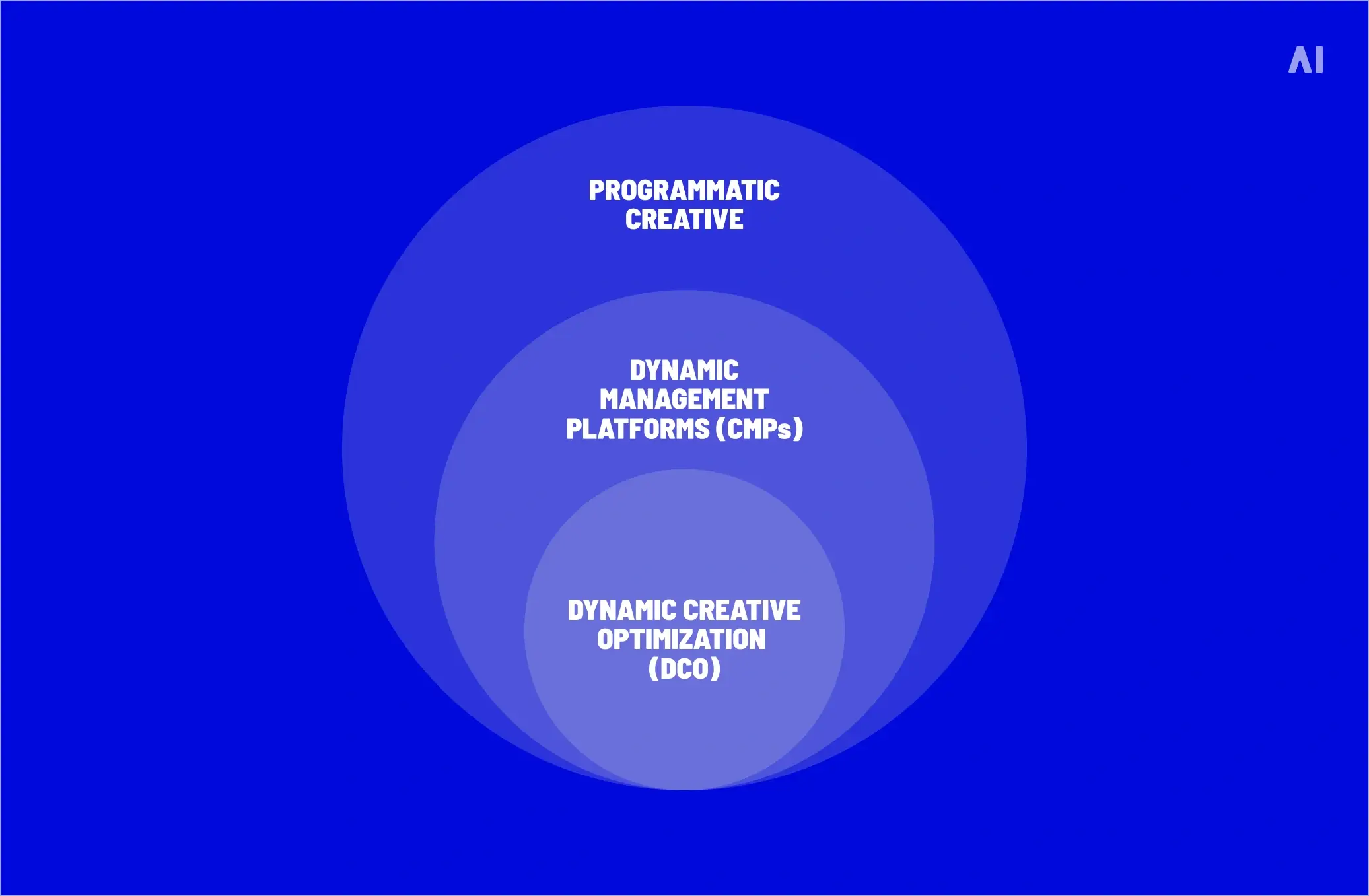
Dynamic creative optimization, or DCO, is a data-driven advertising method that automatically assembles and serves personalized ad variations in real time. In DCO advertising, different combinations of headlines, images, product feeds, offers, calls to action, and formats are selected based on audience signals, contextual data, behavioral intent, or campaign performance.
In simple terms, DCO helps advertisers show the right creative message to the right audience in the right context.
⚡️It is especially valuable in programmatic advertising, where media buying already happens through automated systems and creative needs to keep pace with real-time bidding, audience segmentation, and cross-channel activation.
A DCO system usually depends on three core components:
- Creative templates provide the modular structure. Instead of designing every ad manually, teams build flexible templates with interchangeable creative elements, such as product images, pricing, copy, offers, colors, or CTAs.
- Data inputs determine what the system knows about the audience or context. These inputs may include first-party audience data, browsing behavior, product interest, location, device, weather, content category, funnel stage, or campaign engagement.
- The decision engine selects which creative variation to serve. This decisioning can be based on predefined rules, machine learning models, or AI-driven optimization that learns from performance data over time.
💡DCO is not simply “more ad versions.” Basic dynamic creative can generate variations, but dynamic creative optimization adds the intelligence layer: it decides which version should appear, learns from outcomes, and improves delivery based on performance signals.
That distinction is important for growth teams because creative scale alone does not guarantee better results. The value comes from connecting creative variation to business goals such as lower CPA, higher ROAS, stronger engagement, improved conversion rates, or increased customer lifetime value.
How DCO advertising works
DCO advertising works by combining data inputs, modular creative templates, and decision logic to deliver the most relevant ad variation in real time. Instead of serving one static creative to a broad audience, dynamic creative optimization assembles ads based on who the user is, what signal is available, where the impression appears, and which outcome the campaign is trying to improve.
This matters because digital media is increasingly automated and performance-led. IAB and PwC reported that U.S. internet advertising revenue reached $294.6 billion in 2025, up 13.9% year over year, with programmatic media identified as one of the principal growth drivers. For advertisers, that growth means creative can no longer operate separately from media buying. If bidding, targeting, and measurement happen in real time, creative decisioning needs to move at the same speed.
At a practical level, DCO turns a campaign into a connected decisioning system. Data identifies the audience or context. Creative templates provide the structure for scalable variation. Rules or AI models decide which message, product, image, offer, or call to action should appear. The ad is then assembled and delivered through the ad-serving environment, while performance data feeds back into the system to improve future decisions.
⚡️That is why DCO is closely connected to AI-driven personalization. The goal is not simply to create more versions of an ad. The goal is to use automation and intelligence to match creative elements to business signals, so each impression has a stronger chance of driving the intended result.
Data fuels personalization
Data is the foundation of DCO because it tells the system which creative message, offer, product, or call to action is most relevant for each impression. In DCO advertising, personalization depends on audience data, contextual signals, behavioral intent, and campaign performance feedback working together in real time.
In 2026, this matters because digital advertising is becoming more automated and more accountable. IAB’s 2026 Internet Advertising Revenue Report notes that U.S. internet advertising revenue reached $294.6 billion in 2025, with growth increasingly shaped by AI, commerce media, video, and performance-driven activation. For marketers, the implication is clear: as more budget moves through automated systems, data quality becomes a direct performance lever, not just a targeting input.
DCO systems typically use several types of data:
{{26-Dynamic-Creative-Optimization-1="/tables"}}
DCO systems typically use several types of data.
The value of this data is not in collecting more signals. It is in selecting the signals that improve decision-making. A user who browsed a product category may need an educational message. A cart abandoner may need a product reminder or incentive. A returning customer may need a cross-sell or loyalty offer. This is where DCO connects closely to hyper-personalization.
⚡️For a deeper explanation of how brands use real-time data and intent signals to tailor customer experiences, readers can explore AI Digital’s guide to hyper-personalization.
The main risk is fragmentation. If CRM data, product feeds, media data, and conversion signals sit in disconnected systems, DCO can still generate variations, but it will not necessarily improve business outcomes. Strong personalization starts with clean data, clear audience logic, and a shared understanding of which signals matter for each campaign goal.
Creative templates enable scale
Creative templates allow DCO campaigns to scale personalization without manually building every ad variation. Instead of producing hundreds of finished ads, teams create modular templates where headlines, images, product details, offers, calls to action, and design elements can change dynamically.
This makes DCO practical for growth teams. A single template can support different audiences, products, geographies, funnel stages, and campaign objectives. For example, an e-commerce brand can use one template to show different products based on browsing behavior. A retail brand can adjust offers based on store location or inventory. A financial services brand can change messaging based on eligibility, product interest, or customer segment.
Deloitte’s 2026 Marketing Trends report highlights that AI is reducing the cost of content production and enabling more hyper-personalized communication, but also notes that scaling AI effectively requires real-time data, sophisticated systems, and clear commercial models. That applies directly to DCO: creative automation only drives value when the template system is tied to strategy, not just production speed.
A strong DCO template usually includes:
{{26-Dynamic-Creative-Optimization-2="/tables"}}
The strategic benefit is efficiency with control. Creative teams can define the system: what can change, what must stay consistent, and which combinations are allowed. The DCO platform then assembles variations at scale.
However, templates need discipline. Without a clear creative taxonomy, DCO can produce weak combinations: the wrong CTA with the wrong message, irrelevant product recommendations, or creative that optimizes for clicks but not qualified conversions. For decision-makers, the priority is to treat templates as performance infrastructure. They are not just design files; they are the operating structure that allows creative, data, and media to work together.
AI selects the best creative
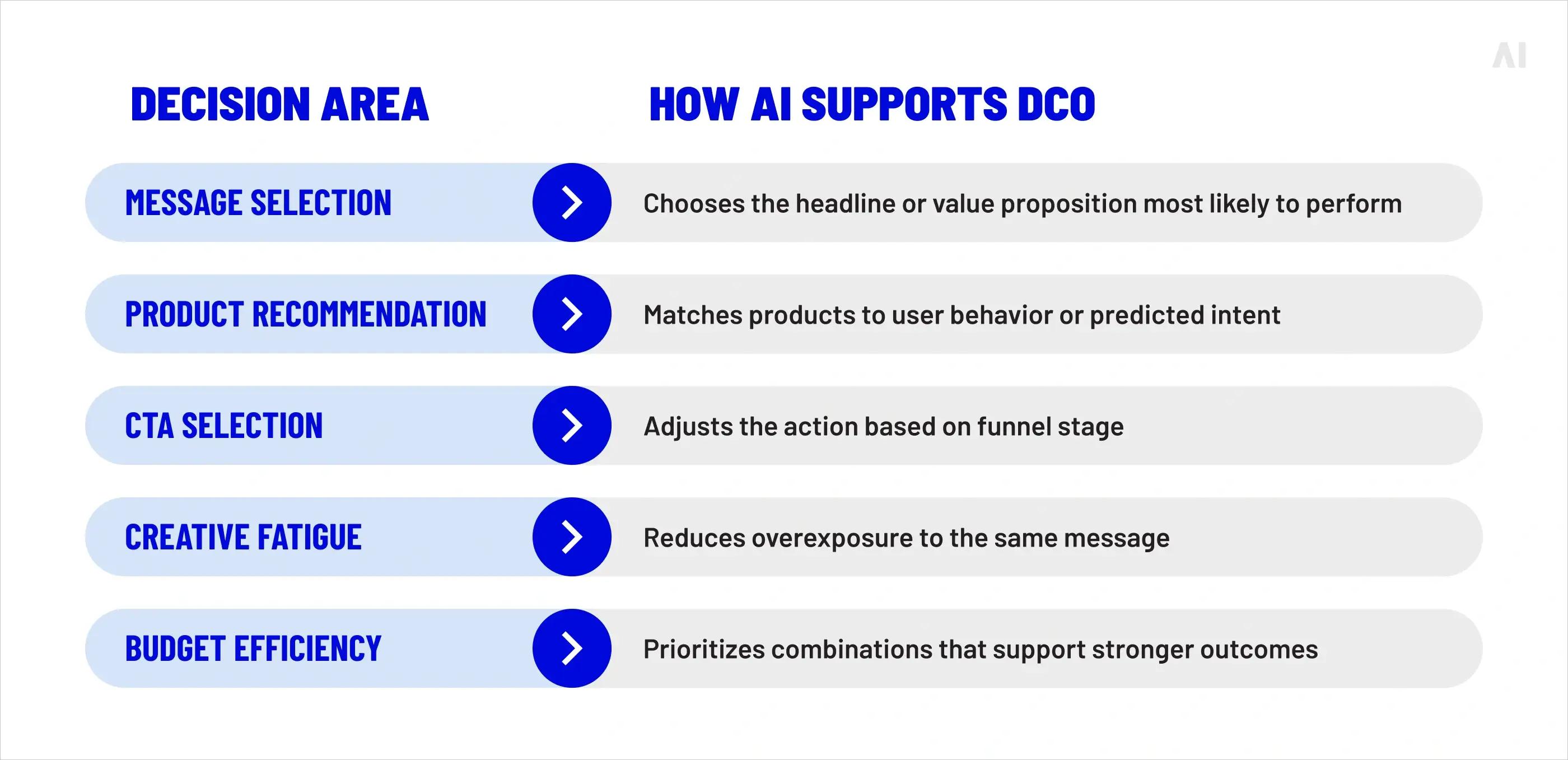
AI improves DCO by helping the system decide which creative variation should be served for each impression. Instead of relying only on fixed rules, AI models can evaluate audience signals, context, placement, creative history, and performance data to select the message most likely to support the campaign objective.
In a basic rule-based setup, marketers may decide that users in one city see one offer, cart abandoners see product reminders, and new prospects see awareness messaging. That logic is useful, but limited. AI-driven DCO can learn from performance patterns across thousands of combinations and adjust delivery based on what is actually working.
Salesforce’s 2026 State of Marketing research, based on insights from nearly 4,500 marketers worldwide, shows how central AI, data, and personalization have become to modern marketing operations. The key lesson for DCO is that AI is no longer only a testing tool; it is becoming part of the decisioning layer that connects creative execution to real-time customer signals.
AI can help optimize several creative decisions:
⚡️For readers who want more context on how AI is reshaping campaign planning, targeting, content production, and optimization, AI Digital’s guide to AI in digital marketing expands on the broader role of AI across the marketing workflow.
The important point is that AI does not make DCO automatically effective. If the system optimizes only for clicks, it may favor creative that attracts attention but fails to generate profitable conversions. If supply quality is weak, the model may learn from low-value impressions. If measurement is fragmented, AI may not know which creative combinations actually contribute to revenue, retention, or long-term customer value.
💡For performance teams, the goal is to connect AI decisioning to a clear KPI hierarchy. DCO should optimize toward outcomes that matter: lower CPA, stronger ROAS, higher-quality leads, increased incremental reach, or better customer lifetime value. That is where creative optimization becomes business optimization.
Ads are built in real time
DCO ads are assembled at the moment of ad serving, using live signals to decide which creative elements should appear in the final ad. The system does not simply pull a prebuilt banner from a folder; it builds the ad dynamically from approved components such as headlines, visuals, product feeds, offers, CTAs, and layout rules.
This is where dynamic creative optimization becomes operationally different from standard creative rotation. In a DCO setup, the ad server or creative platform evaluates the available signal, checks which assets are eligible, applies brand and campaign rules, and renders the most relevant variation before the impression is delivered.
A simplified workflow looks like this:
{{26-Dynamic-Creative-Optimization-3="/tables"}}
The execution layer matters because real-time personalization is only useful when the system can act quickly and reliably. Adobe describes DCO as the decisioning layer that selects the optimal product or creative experience in milliseconds during ad rendering, which shows why speed and system coordination are central to DCO performance in 2026.
For marketers, this means DCO performance depends on more than creative quality. Product feeds must be accurate. Templates must be correctly mapped. Audience and contextual signals must arrive in usable form. The ad-serving environment must be able to assemble and deliver the creative without delays, mismatches, or broken variations.
This is especially important across channels such as display, mobile, retail media, and CTV, where formats, inventory conditions, and user context can change quickly. A user seeing a product ad on mobile may need a short promotional message. A returning customer on desktop may need a comparison-focused message. A viewer in a CTV environment may need broader brand storytelling rather than a direct-response CTA.
💡The business point is simple: real-time assembly turns creative into an adaptive system. But that system only works when data, assets, decisioning, and delivery infrastructure are connected.
Performance drives optimization
DCO improves when performance data flows back into the system and informs future creative decisions. Each served ad creates a learning signal: which message was shown, where it appeared, who saw it, how the user responded, and whether the interaction contributed to a meaningful business outcome.
This feedback loop is what makes DCO an optimization system rather than just a creative automation tool. Dynamic creative can produce variations. Dynamic creative optimization uses performance data to decide which variations should be prioritized, paused, tested, or refined.
In 2026, this feedback loop needs to move beyond surface metrics. IAB’s State of Data 2026 report focuses on how AI is reshaping attribution, incrementality, and marketing mix modeling, reflecting a broader shift from simple reporting toward more advanced measurement systems.
For DCO, the implication is clear: creative optimization should not be judged only by clicks. It should be connected to the outcomes the business actually wants to improve.
A strong DCO feedback loop can evaluate:
{{26-Dynamic-Creative-Optimization-4="/tables"}}
The most common mistake is optimizing DCO toward the easiest metric instead of the most useful one. A headline may drive clicks but attract low-intent users. A discount may increase conversions but reduce margin. A product image may perform well in retargeting but fail in prospecting. Without a clear KPI hierarchy, the system may improve campaign activity without improving business performance.
Performance feedback should therefore be structured around campaign intent. Prospecting campaigns may prioritize qualified traffic, engaged visits, or incremental reach. Retargeting campaigns may prioritize CPA, cart recovery, or ROAS. B2B campaigns may prioritize lead quality, pipeline contribution, or account engagement.
For AI Digital’s perspective, this is where DCO becomes part of a broader performance architecture. Creative data, media data, audience data, and outcome data need to work together. When that loop is connected, DCO can continuously refine what message appears, which audience receives it, and which creative combinations deserve more investment.
Where DCO fits in the programmatic ecosystem
DCO sits between creative, data, media buying, ad serving, and measurement. It connects the creative layer to the programmatic ecosystem so advertisers can deliver personalized ads across audiences, placements, devices, and channels without manually building every variation.
In 2026, that connection matters because programmatic performance is increasingly shaped by control, transparency, and supply quality. ANA’s Q4 2025 Programmatic Transparency
Benchmark, released in 2026, found that quality-led advertisers converted 56.7% of programmatic spend into benchmark-qualified impressions. For DCO, the implication is clear: even strong creative decisioning can underperform if the ads are delivered through inefficient, low-quality, or fragmented supply paths.
DCO does not operate as a standalone creative feature. It depends on multiple systems working together: CDPs or DMPs organize audience signals, CMPs manage modular creative assets, DSPs activate media buying, ad servers deliver and measure ads, and analytics systems connect performance back to business outcomes.
{{26-Dynamic-Creative-Optimization-5="/tables"}}
⚡️For readers who need more context on the media-buying layer, AI Digital’s guide to demand-side platforms explains how DSPs help advertisers buy digital inventory across exchanges, publishers, and channels. This is important for DCO because the DSP influences where personalized creative is activated, which audiences are reachable, and which inventory sources are prioritized.
⚡️Data infrastructure is just as important. AI Digital’s article on data management platforms explains how DMPs collect, organize, and activate audience data for digital advertising. In a DCO strategy, that data layer helps determine which creative message should be shown to which segment, context, or intent signal.
⚡️The distinction between ad servers and DSPs also matters. A guide on Ad Server vs DSP: Core Differences, Overlaps, and When to Use Each can help teams clarify which system controls buying, which system controls delivery, and where creative measurement should sit. This prevents a common DCO problem: assuming the same platform can solve media activation, creative serving, and business-level attribution equally well.
From a strategic perspective, DCO performance depends on interoperability. The creative platform needs access to usable data. The DSP needs quality audience and inventory signals. The ad server needs to track which variation was delivered. The measurement layer needs to connect creative exposure to real outcomes.
💡When these systems are connected, DCO becomes scalable. When they are fragmented, advertisers often face four problems:
Key benefits of DCO for business
DCO helps advertisers turn creative personalization into measurable business performance. By connecting data, modular creative, and real-time decisioning, dynamic creative optimization improves how campaigns scale, how audiences receive messages, and how performance teams optimize toward outcomes such as CPA, ROAS, lead quality, retention, and customer lifetime value.
For growth-focused teams, the value of DCO is not only faster creative production. It helps align creative strategy with intent, funnel stage, and media activation. That makes DCO especially useful for advertisers trying to move beyond fragmented campaign testing toward a more connected performance system.
{{26-Dynamic-Creative-Optimization-6="/tables"}}
DCO is particularly valuable for intent-based marketing. A low-intent audience may need education, a mid-funnel audience may need comparison or proof, and a high-intent audience may need a stronger offer or direct conversion path.
⚡️This is where creative optimization becomes more than message variation: it becomes a way to guide users through the funnel with more relevant decisions at each stage. A guide on How to Convert High-Intent Audiences on the Open Web can expand this point by showing how brands identify stronger intent signals outside closed platforms and convert them with the right message, placement, and measurement strategy.
For AI Digital’s perspective, the business benefit of DCO is strongest when creative, media, data, and supply quality are connected. Personalization only drives measurable outcomes when the system knows which signal matters, which creative should respond, where the ad should run, and which KPI defines success.
{{26-Dynamic-Creative-Optimization-7="/tables"}}
DCO vs Dynamic Creative: Key differences
Dynamic creative and DCO are related, but they are not the same. Dynamic creative focuses on generating different ad variations, while dynamic creative optimization adds a decisioning and learning layer that selects, tests, and improves creative delivery based on data and performance signals.
For advertisers, the distinction matters because scale alone does not guarantee better outcomes. A campaign can generate many dynamic ad versions and still underperform if there is no clear logic deciding which message should appear, which audience should receive it, and which KPI defines success.
💡A simple way to understand the difference is this: dynamic creative builds the options; DCO decides which option should be shown and learns from the result.
For example, an e-commerce brand using dynamic creative may automatically show different products from a feed. With DCO, the system can go further by deciding which product, offer, image, and CTA should appear for a specific user based on browsing behavior, purchase intent, context, and prior performance.
This difference is important for growth teams because creative production is only one part of the performance equation. DCO connects creative scale to decisioning, measurement, and optimization. When the system is supported by clean data and clear KPIs, it helps advertisers move from “more ad versions” to more accountable creative performance.
Types of Dynamic Creative Optimization (DCO)
Dynamic creative optimization can support different campaign goals across the customer journey, from prospecting and retargeting to contextual messaging and sequential storytelling. The most effective DCO strategies are not built around “more ad variations”; they are built around the business objective each variation is meant to support.
In 2026, this distinction matters because personalization is becoming more operationally complex. Deloitte’s 2026 Marketing Trends report notes that AI is reducing the cost of content production and enabling more hyper-personalized communications, but also emphasizes that effective scaling depends on real-time data, sophisticated systems, and clear commercial models. For advertisers, that means DCO should be planned by use case, not treated as a generic automation layer.
{{26-Dynamic-Creative-Optimization-8="/tables"}}
Retargeting & Product recommendations
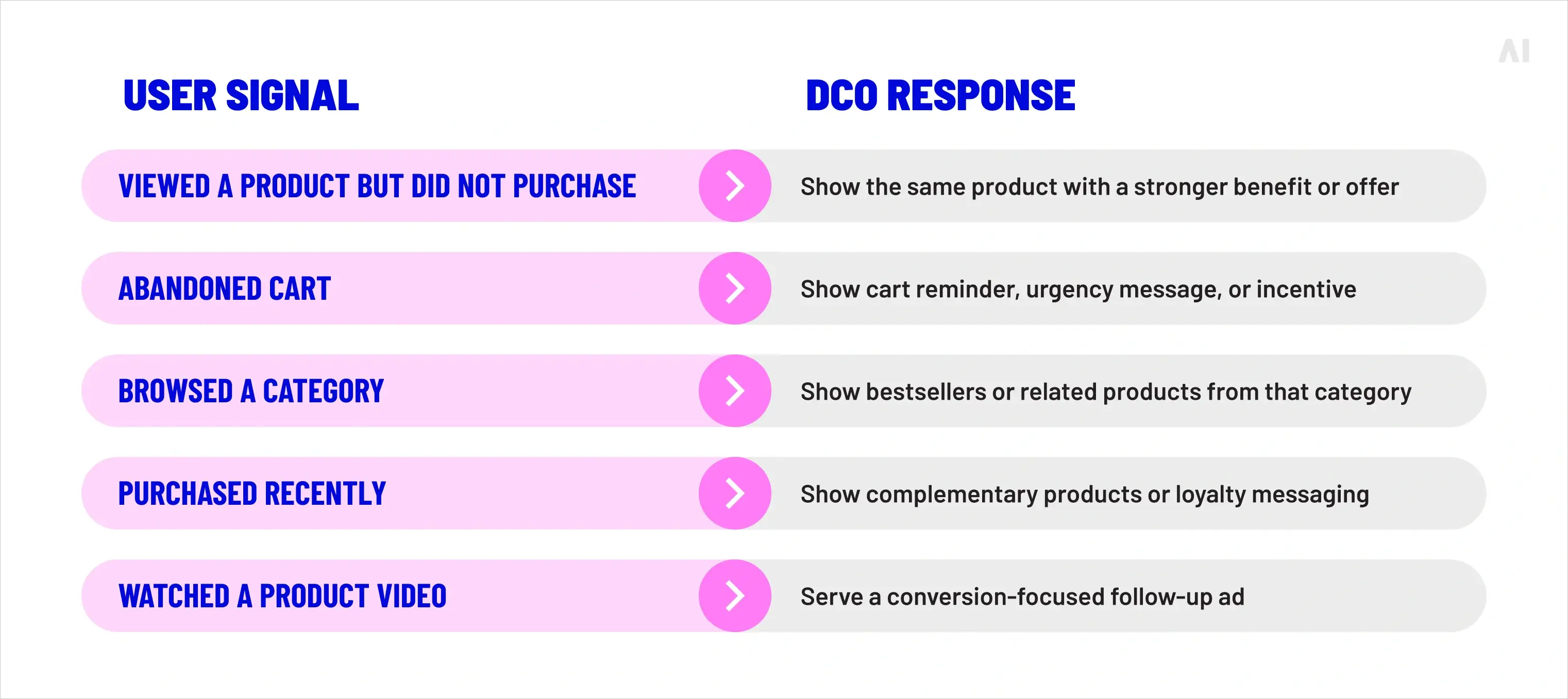
Retargeting DCO uses behavioral data to deliver personalized ads to users who have already interacted with a brand. These signals can include product views, abandoned carts, category browsing, search activity, past purchases, or previous ad engagement.
This is one of the clearest use cases for DCO because the system already has intent signals to work with. Instead of showing the same generic retargeting ad to every returning user, DCO can adapt the product, offer, image, message, and CTA based on the user’s previous behavior.
For example:
⚡️This approach is especially useful when retargeting extends beyond standard display into video, CTV, and cross-device environments. AI Digital’s guide to CTV retargeting explains how brands can reconnect with engaged audiences through connected TV environments, where creative needs to be more narrative, visual, and journey-aware than standard lower-funnel display.
💡The main risk is overexposure. If users see the same product ad too often, performance can decline and brand perception can weaken. Strong DCO retargeting should include frequency logic, product exclusions, message rotation, and suppression rules for users who have already converted.
Prospecting with personalized messaging
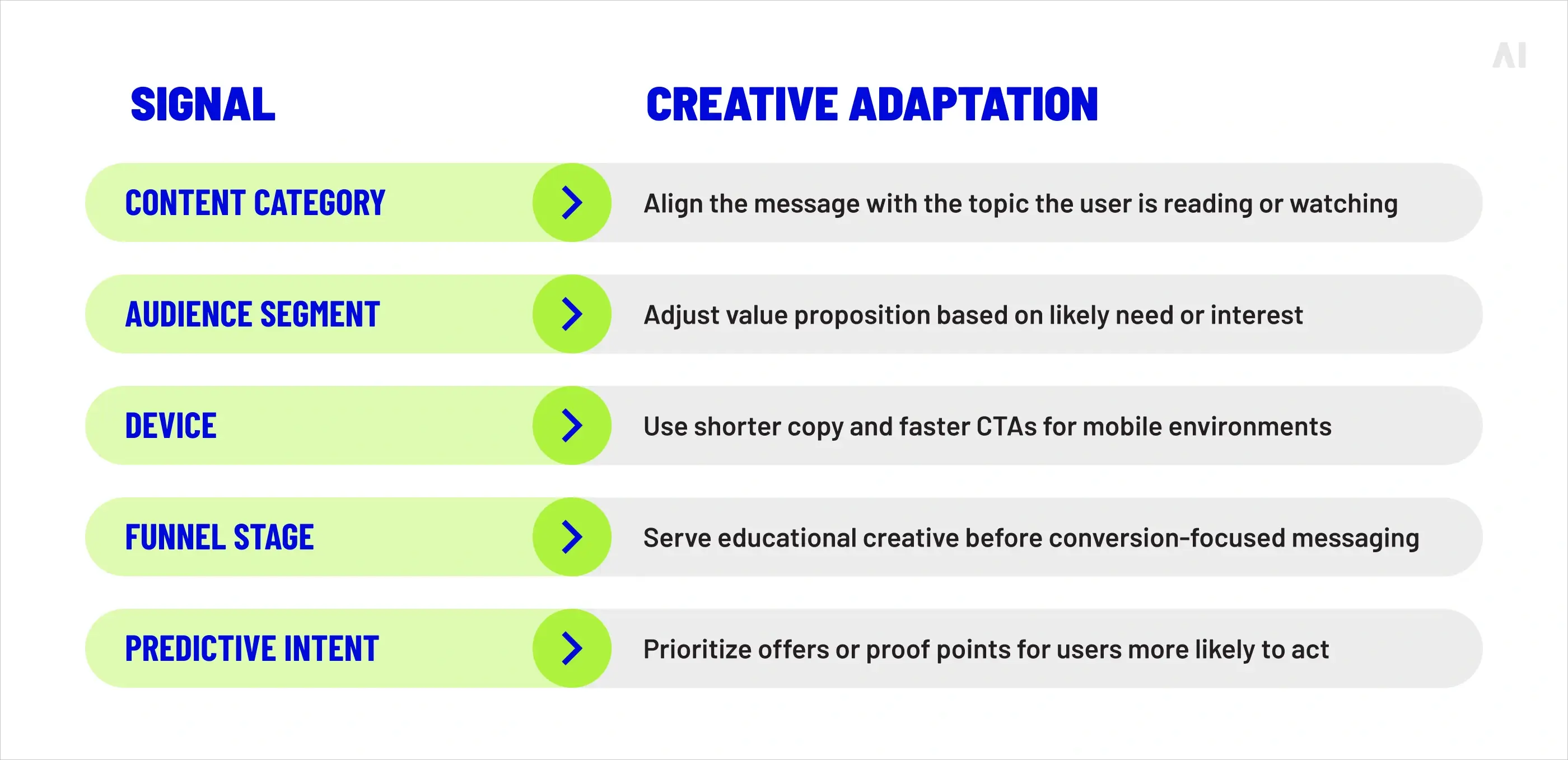
Prospecting DCO helps advertisers personalize messaging for new audiences before they have strong first-party behavioral data. Instead of relying only on broad demographic targeting, DCO can use contextual signals, predictive models, audience attributes, and campaign performance patterns to tailor creative for different acquisition segments.
This is important because prospecting requires a different creative logic from retargeting. New users often need education, relevance, and proof before they are ready to convert. A high-intent prospect may respond to a product benefit or offer, while a low-awareness audience may need a problem-led message or category introduction.
A prospecting DCO setup may personalize by:
⚡️For teams building acquisition strategies outside closed platforms, contextual signals are becoming more important. AI Digital’s guide to programmatic contextual targeting explains how brands can use content environments as targeting signals in programmatic campaigns.
⚡️For a broader foundation, the article on contextual advertising covers how context helps advertisers reach relevant audiences without depending only on user-level identifiers.
For AI Digital’s perspective, prospecting DCO works best when creative decisioning is connected to media quality. A strong message can underperform if it appears in weak inventory, irrelevant contexts, or supply paths that do not support efficient reach. Personalization needs both the right signal and the right environment.
Contextual & geo-based personalization
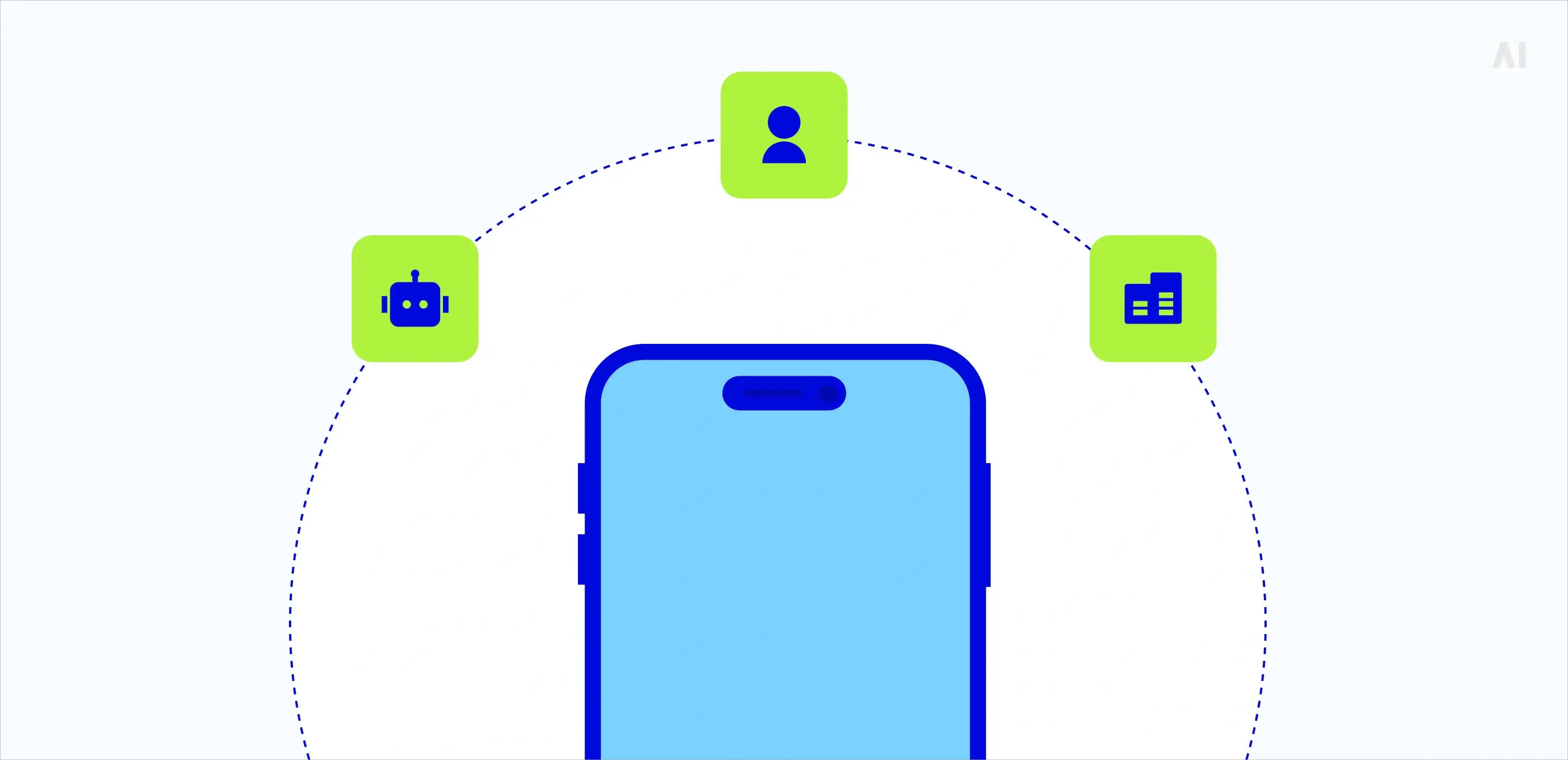
Contextual and geo-based DCO adapts creative based on the user’s environment, location, device, time, weather, or content context. This makes ads more relevant to the moment in which they appear, especially for advertisers with local offers, regional demand patterns, store networks, seasonal products, or location-specific services.
This type of DCO is useful because not every personalization strategy requires personal identity data. In privacy-conscious environments, contextual and location-based signals can help advertisers deliver relevance without depending entirely on individual-level tracking.
Examples include:

NielsenIQ’s Consumer Outlook for 2026 highlights that consumer behavior is being shaped by caution, volatility, and more intentional spending. For marketers, this makes contextual relevance more important: creative needs to reflect not only who the audience is, but also what situation, location, and need-state they are in.
⚡️AI Digital’s guide on Location-Based Advertising, expands this topic by explaining how advertisers use geographic signals to plan local activation, store traffic campaigns, and regional media strategies.
⚡️For teams comparing location-based tactics, AI Digital’s guide to geotargeting vs. geofencing explains the difference between broad location targeting and boundary-based activation. The article on programmatic contextual targeting also provides useful context for combining location with content-based signals.
💡The key is restraint. Geo-based personalization should improve relevance, not feel intrusive. The strongest campaigns use location and context to solve a practical need: nearby availability, local pricing, weather relevance, store proximity, or regional messaging.
Sequential messaging: Storytelling across the funnel
Sequential DCO uses creative variation to guide users through a planned message journey. Instead of showing disconnected ads, the system adapts the next message based on what the user has already seen, how they interacted, and where they are in the funnel.
This is where DCO becomes a storytelling system. It can introduce the brand, explain the product, show proof points, address objections, and then move toward a conversion-focused CTA.
A typical sequence may look like this:
{{26-Dynamic-Creative-Optimization-9="/tables"}}
Sequential messaging is especially useful for longer buying cycles, high-consideration categories, B2B campaigns, financial services, automotive, travel, and premium retail. These journeys rarely convert from one impression. They require message progression.
The risk is poor sequencing. If the system cannot recognize previous exposure or funnel movement, users may see repetitive, irrelevant, or premature messages. For example, a user who has already compared products should not keep seeing awareness creative. A customer who already converted should not keep receiving acquisition offers.
For growth teams, sequential DCO should be built around clear journey logic: what the user needs to understand first, what signal moves them to the next stage, and which KPI defines progress. That is how DCO shifts from creative variation to full-funnel performance alignment.
Real-world DCO by industry
DCO creates value differently across industries because each sector has different customer signals, buying cycles, and conversion goals. The strongest use cases connect personalization to measurable outcomes, such as higher engagement, cart recovery, qualified leads, store visits, application rates, and media efficiency.
E-commerce
In e-commerce, DCO uses browsing behavior, cart activity, product views, and purchase history to deliver more relevant product ads. A shopper who viewed a product can see that same item again, a similar product, a limited-time offer, or a complementary recommendation.
This is especially important because cart abandonment remains a major challenge. Baymard’s benchmark shows an average documented online cart abandonment rate of 70.22%, which means many users show intent but leave before purchase. DCO helps e-commerce brands respond to that intent with personalized reminders, product feeds, updated pricing, and relevant CTAs.
The goal is not only to increase clicks. For e-commerce teams, DCO should support conversion rate, cart recovery, average order value, ROAS, and repeat purchase behavior.
Retail
In retail, DCO connects creative personalization to location, inventory, promotions, and shopping context. A retailer can show different offers depending on store proximity, product availability, loyalty status, local demand, or seasonal behavior.
Deloitte’s 2026 Retail Industry Outlook notes that most surveyed retail executives expect revenue and margin growth, but also highlights the need for stronger customer centricity, data-driven insight, and AI-enabled commerce. For retailers, DCO can help turn those priorities into execution by matching the right offer to the right shopper at the right moment.
⚡️For a broader view of how retailers can connect customer data, digital channels, and growth strategy, readers can explore AI Digital’s guide to retail digital marketing.
Automotive
In automotive, DCO supports longer, high-consideration buying journeys. Users may compare models, price ranges, financing options, dealership availability, reviews, and vehicle features before submitting a lead or booking a test drive.
DCO can personalize ads based on model interest, location, budget signals, vehicle type, or funnel stage. A user researching electric vehicles may see EV-focused messaging, while someone comparing lease options may see affordability or financing creativity.
The business value is lead quality. Automotive advertisers should measure DCO against qualified leads, dealership visits, test-drive bookings, finance inquiries, and cost per lead, not only engagement.
Financial Services
In financial services, DCO can personalize messaging for loans, credit cards, insurance, mortgages, savings accounts, and investment products. Because the category is trust-sensitive and regulated, personalization must be accurate, compliant, and transparent.
A financial brand can adapt creative based on product interest, eligibility signals, life stage, location, or funnel stage. For example, a user exploring mortgage content may see educational messaging first, then a calculator, consultation CTA, or application-focused offer.
The goal is to improve application quality and efficiency while protecting trust. Strong financial services DCO should optimize toward qualified applications, approval rates, funded accounts, customer value, and compliance-safe messaging.
How to set up a DCO campaign: 5 essential steps
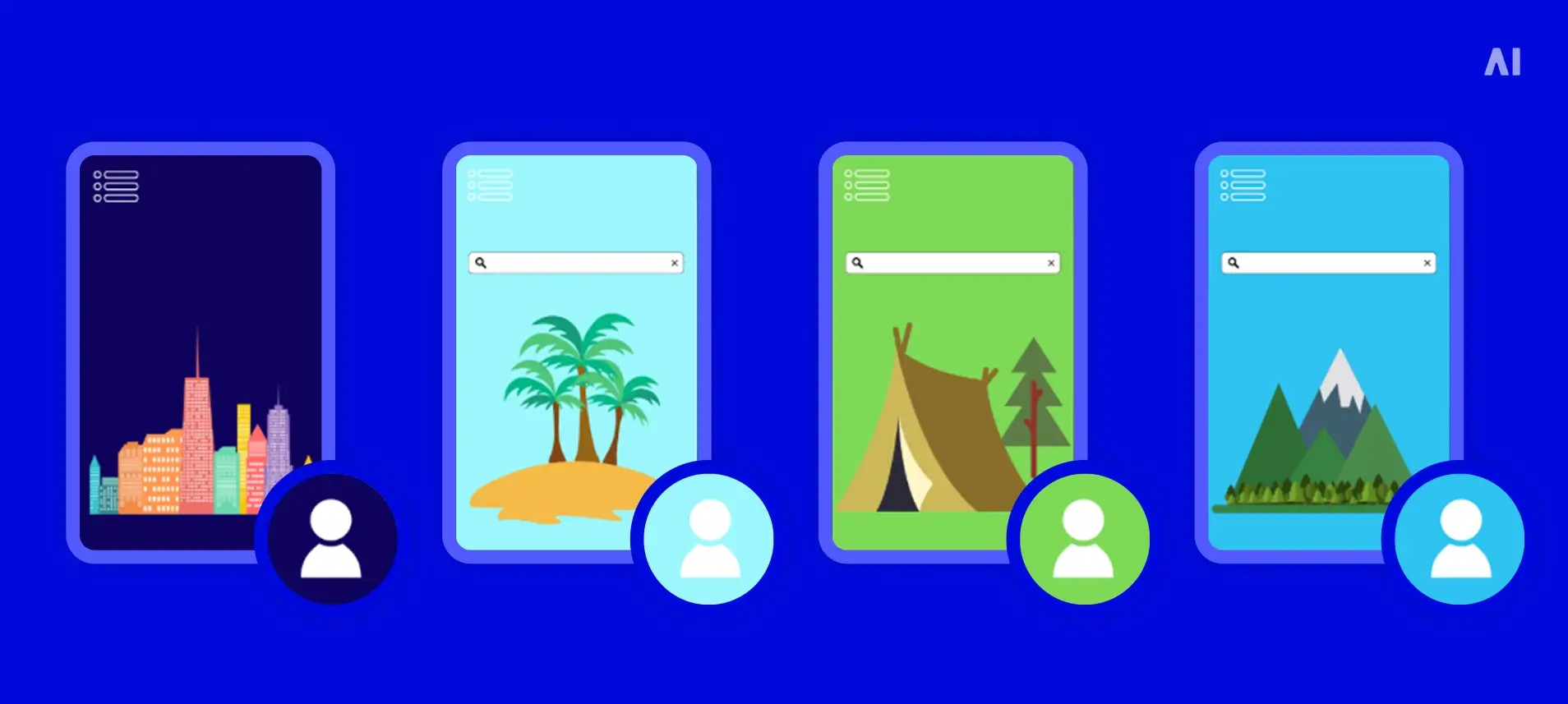
A strong DCO campaign starts with strategy, not creative automation. Before building templates or connecting feeds, marketers need to define what the campaign should achieve, which signals will guide personalization, and how performance will be measured.
The goal is not to create as many ad variations as possible. The goal is to build a system where data, creative, media, and measurement work together to improve real outcomes.
1. Define goals & KPIs
Start by deciding what the DCO campaign needs to improve. Is the goal lower CPA, stronger ROAS, higher cart recovery, more qualified leads, better engagement, or improved retention?
This matters because DCO will optimize based on the signals and KPIs you give it. If the campaign is measured only by clicks, the system may favor creative that gets attention but does not drive valuable conversions. If the goal is revenue, lead quality, or customer lifetime value, the campaign needs a more advanced KPI structure.
For example, an e-commerce campaign may focus on cart recovery and ROAS. A B2B campaign may prioritize qualified leads and pipeline contribution. A retail campaign may measure store visits, online sales, and margin-sensitive product performance.
⚡️This is where AI Digital’s Elevate approach becomes relevant. Elevate helps connect planning, forecasting, reporting, and insights so DCO decisions are tied to business goals, not isolated creative metrics.
2. Prepare data & audiences
Once the goal is clear, organize the data that will guide personalization. DCO can use first-party data, CRM segments, product feeds, site behavior, contextual signals, location, device, purchase history, and campaign engagement.
The important part is quality. More data does not automatically mean better personalization. If audience segments are outdated, product feeds are incomplete, or conversion data is fragmented, DCO may deliver the wrong message to the wrong user.
Start with clear audience groups. For example:
- new prospects
- returning visitors
- cart abandoners
- high-intent users
- existing customers
- lapsed customers
Then decide what each group needs to see. A new prospect may need an educational message. A cart abandoner may need a product reminder. A loyal customer may need a cross-sell, bundle, or retention offer.
Instead of relying only on one closed platform, brands need a connected view of audiences and signals across channels, like Open Garden Framework is. That helps DCO work as part of a broader media strategy, not just inside one platform environment.
3. Build & map creatives
Next, build modular creative assets. DCO works best when creative is structured into flexible components: headlines, images, product details, offers, CTAs, layouts, disclaimers, and brand elements.
The key is mapping. Each creative element should connect to a specific audience, funnel stage, product category, or intent signal.
For example, awareness-stage users may see problem-led messaging. Consideration-stage users may see benefits, comparisons, or proof points. High-intent users may see a stronger CTA, offer, or product recommendation.
Creative mapping prevents random personalization. It makes sure the system knows which message belongs to which moment in the journey.
4. Set decision logic
Decision logic tells the DCO system which creative variation should appear and when. This can be rule-based, AI-driven, or a combination of both.
Rule-based logic is useful when the campaign has clear conditions. For example, users in one location see a local offer, cart abandoners see product reminders, and existing customers are excluded from acquisition ads.
AI-driven logic is useful when the system needs to learn from many variables at once. It can identify which creative combinations work best across audiences, placements, devices, and contexts.
The most important step is setting guardrails. Define which combinations are allowed, which messages should be suppressed, and which KPIs should guide optimization. Without that structure, automation can move quickly in the wrong direction.
5. Launch, test & optimize
After launch, DCO should be treated as a continuous optimization system. Monitor which creative combinations perform best, which audiences respond, which placements create value, and where performance drops.
Testing should go beyond surface metrics. Look at CPA, ROAS, conversion quality, lead quality, revenue, retention, and incrementality where possible. A creative variation that generates clicks may not be the one that produces profitable customers.
⚡️This is also where supply quality matters. If DCO ads are running through inefficient or low-quality supply paths, even strong creative decisioning may underperform. AI Digital’s Smart Supply helps address this by improving supply-path visibility, inventory quality, and media efficiency, so personalized creative has a better environment to perform.
💡A good DCO setup is never “set and forget.” It should keep learning, but it also needs human strategy: better creative inputs, cleaner signals, stronger testing, and clearer business goals. That is how DCO moves from creative automation to real performance growth.
Why do most DCO strategies fail?
Most DCO strategies fail because teams treat dynamic creative optimization as a creative automation tool instead of a connected performance system. The technology can generate many ad variations, but if data, media, supply, and measurement are fragmented, those variations do not necessarily create better business outcomes.
One common issue is poor data quality. If audience segments are outdated, product feeds are incomplete, or conversion signals are split across platforms, DCO cannot reliably decide which message should appear. Another issue is transparency. When advertisers cannot see where ads run or how supply paths affect cost and quality, even strong creative can underperform.
Over-optimizing for clicks is another major problem. A DCO campaign may improve CTR while still failing to reduce CPA, improve ROAS, or generate qualified leads.
⚡️This is why fragmented data is such a critical issue. AI Digital’s article Why Fragmented Data Is Breaking Cross-Platform Performance explores how disconnected systems weaken optimization, reporting, and business decision-making across channels.
How to build a connected DCO system with AI Digital
A connected DCO system brings data, creative, media buying, supply quality, and measurement into one operating model. That is where DCO moves beyond “personalized ads” and becomes a performance system that can support stronger decision-making, reduce wasted spend, and scale relevant messaging across channels.
For AI Digital, the goal is not just to help brands create more creative variations. It is to help teams connect those variations to the right signals, inventory, KPIs, and full-funnel growth strategy.
1. Turn data into business decisions
DCO needs more than data access. It needs decision-ready data. That means identifying which signals actually matter for performance, which audiences show real intent, and which creative variables should be tested against specific business goals.
⚡️AI Digital’s Elevate helps teams connect planning, forecasting, reporting, and insights so campaign decisions are tied to measurable KPIs. For DCO, this means creative optimization can move beyond basic demographic targeting and focus on higher-impact variables such as intent, funnel stage, product interest, engagement quality, and conversion value.
The practical step is to build a clear testing structure. Decide which messages, offers, visuals, and CTAs should be tested, then measure them against outcomes that matter: CPA, ROAS, qualified leads, revenue, retention, or customer lifetime value.
2. Fix where your ads actually run
Even the best DCO logic can underperform if ads run through inefficient supply paths or low-quality inventory. Creative relevance matters, but so does the environment where that creative appears.
⚡️AI Digital’s Smart Supply is designed to improve supply-path visibility, inventory quality, and media efficiency. For DCO campaigns, this helps ensure personalized ads are not only dynamically assembled, but also delivered in environments where they have a stronger chance to perform.
This is especially important when scaling across programmatic channels. If advertisers cannot see how impressions are sourced, where budget is lost, or which inventory paths produce value, DCO optimization becomes incomplete. Smart Supply helps align media buying with creative strategy, so the campaign is not wasting strong personalization on weak supply.
3. Full-funnel activation across channels
DCO performs best when it supports the full customer journey, not just lower-funnel retargeting. A connected system should adapt messaging from awareness to consideration, conversion, retention, and reactivation.
That means using rotation logic to manage creative fatigue, sequential messaging to guide users through the funnel, and channel-specific creative rules to keep the experience consistent across display, video, CTV, retail media, and the open web.
⚡️AI Digital’s What We Do page gives a broader view of how connected media strategy, activation, and optimization work across channels. Multichannel content marketing strategy: a complete guide expands on how brands build consistent messaging systems across touchpoints.
💡The main principle is simple: DCO should not operate in isolation. When data decisions, supply quality, and full-funnel activation are connected, personalized creative becomes easier to scale, easier to measure, and more directly tied to business performance.
Why infrastructure quality impacts DCO performance
DCO depends on speed, clean signals, and efficient media delivery. If the infrastructure behind a campaign is fragmented, slow, or opaque, the system may still assemble personalized ads, but those ads are less likely to reach the right user, in the right context, at the right cost.
- The first issue is latency. DCO works in real time, so creative decisioning needs to happen quickly. When too many platforms, intermediaries, or disconnected systems sit between the data signal and the ad impression, personalization can become slower or less accurate.
- The second issue is signal integrity. DCO needs reliable data to decide which creative variation to serve. If audience data, product feeds, contextual signals, or conversion data are delayed or incomplete, the system may show irrelevant products, outdated offers, or messages that do not match the user’s stage in the journey.
- The third issue is cost efficiency. Fragmented supply paths can absorb budget before the ad reaches a valuable impression. That means even a strong DCO setup may underperform because too much spend is lost through inefficient buying routes, low-quality inventory, or unnecessary intermediaries.
⚡️This is where supply-path quality becomes critical. AI Digital’s article on From Fragmented to Sustainable: Rethinking the Programmatic Supply Path explores how advertisers can move from disconnected buying routes toward cleaner, more accountable media infrastructure.
⚡️Another guide, What Is Supply Path Optimization (SPO) in Programmatic Advertising? explains how SPO helps reduce waste, improve transparency, and prioritize higher-quality inventory.
For DCO, the takeaway is simple: creative optimization cannot compensate for weak infrastructure. To operate at full performance, DCO needs transparent supply paths, accurate signals, fast delivery, and measurement systems that connect creative exposure to real business outcomes.
Conclusion: Turn DCO from creative tactic into business performance
Dynamic creative optimization delivers the most value when it is treated as a performance system, not just a way to produce more ad variations. Creative templates, data inputs, and AI-driven decisioning can improve relevance, but they only drive business impact when they are connected to clear KPIs, clean signals, efficient supply paths, and full-funnel strategy.
For growth teams, the priority is alignment. Data should guide the message. Creative should reflect audience intent. Media buying should support quality reach. Measurement should show whether personalization is improving outcomes such as CPA, ROAS, lead quality, revenue, retention, or customer lifetime value.
That is where AI Digital’s connected approach becomes relevant. Elevate helps turn data and performance signals into stronger business decisions. Smart Supply helps improve where ads actually run, reducing waste and improving supply-path quality. The Open Garden Framework helps brands manage fragmented media ecosystems with more control across channels, platforms, and measurement environments.
DCO becomes more powerful when these layers work together. Instead of optimizing creative in isolation, advertisers can build a system where personalization, media efficiency, and business outcomes reinforce each other.
Key takeaways:
- DCO is a performance system, not just a creative tool.
- Data quality and signal accuracy determine personalization success.
- Infrastructure, especially supply paths, directly impacts results.
- AI and rule-based decisioning help improve efficiency and outcomes.
- Creative and media must be aligned for DCO to scale effectively.
⚡️For teams ready to move from fragmented creative testing to connected performance growth, get in touch with AI Digital.