OTT Attribution: How It Works and Why Streaming Measurement Is So Complex


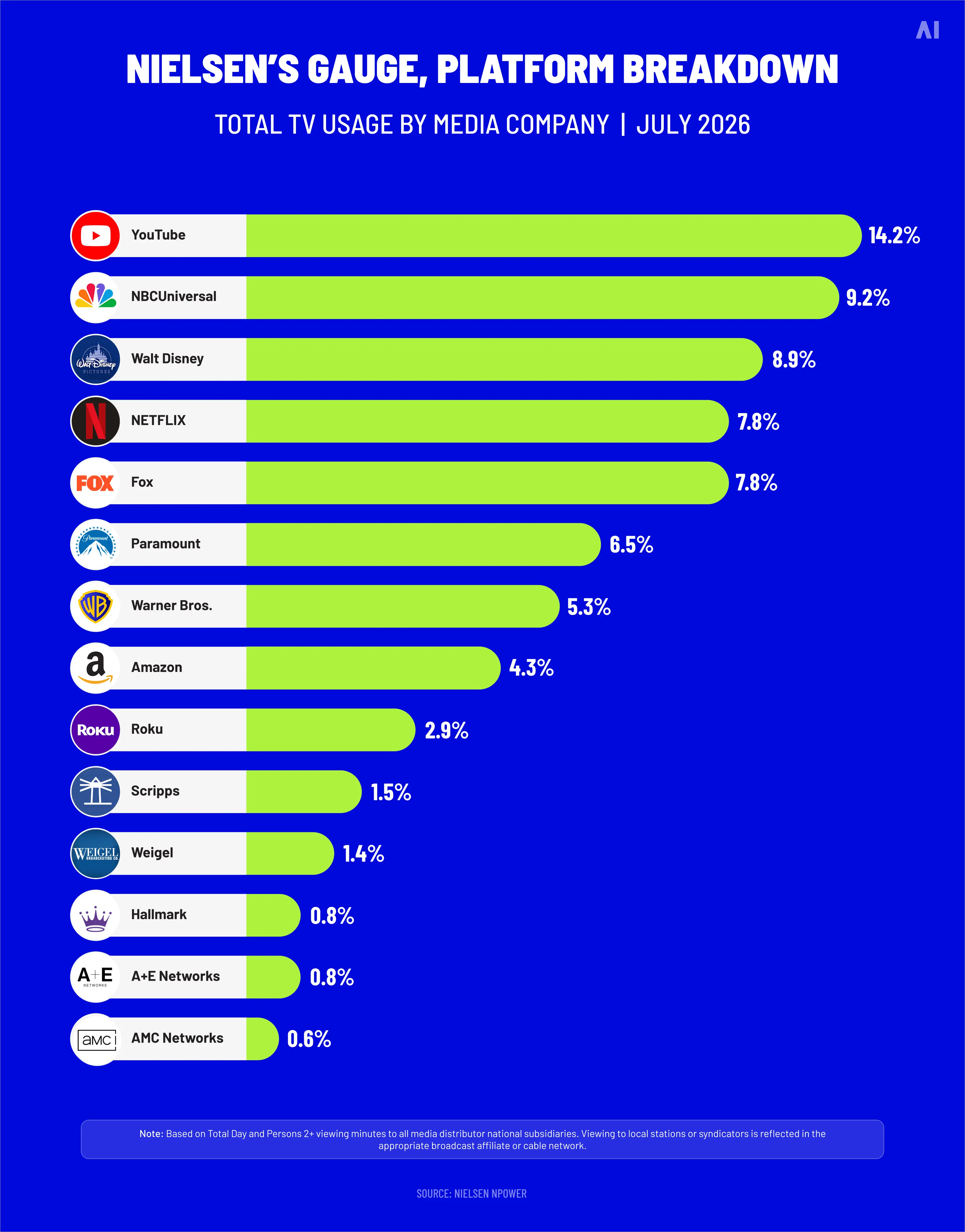
Streaming is taking a larger share of television viewing and advertising budgets. It accounted for 49% of total U.S. TV viewing in July 2026, according to Nielsen. Meanwhile, the IAB forecasts 15.6% growth in U.S. connected TV ad spending for 2026. As investment grows, marketers need to understand what happens after a streaming ad appears—often when the next action takes place on another device.
OTT attribution uses available data to connect ad exposures with later actions, such as site visits, leads, or purchases, and assigns conversion credit under defined measurement rules. This article explains how that process works, why platforms and household-level data make matching difficult, and when view-through or multi-touch attribution can help. It also shows why marketers should assess attribution results alongside incrementality testing and marketing mix modeling before making larger budget decisions.
TL;DR: Key Takeaways
- OTT attribution connects recorded streaming ad exposures with later visits, leads or purchases, then assigns credit using defined matching and attribution rules.
- TV ads often lack a click path. A customer may act on another device, while a household match cannot identify every viewer.
- Fragmented platforms, privacy limits and inconsistent reporting can hide interactions or lead multiple partners to claim the same conversion.
- Attribution helps explain observed conversion paths, but credit does not prove causation. Validate major decisions with outcome data, incrementality testing or marketing mix modeling.
What Is OTT Attribution?
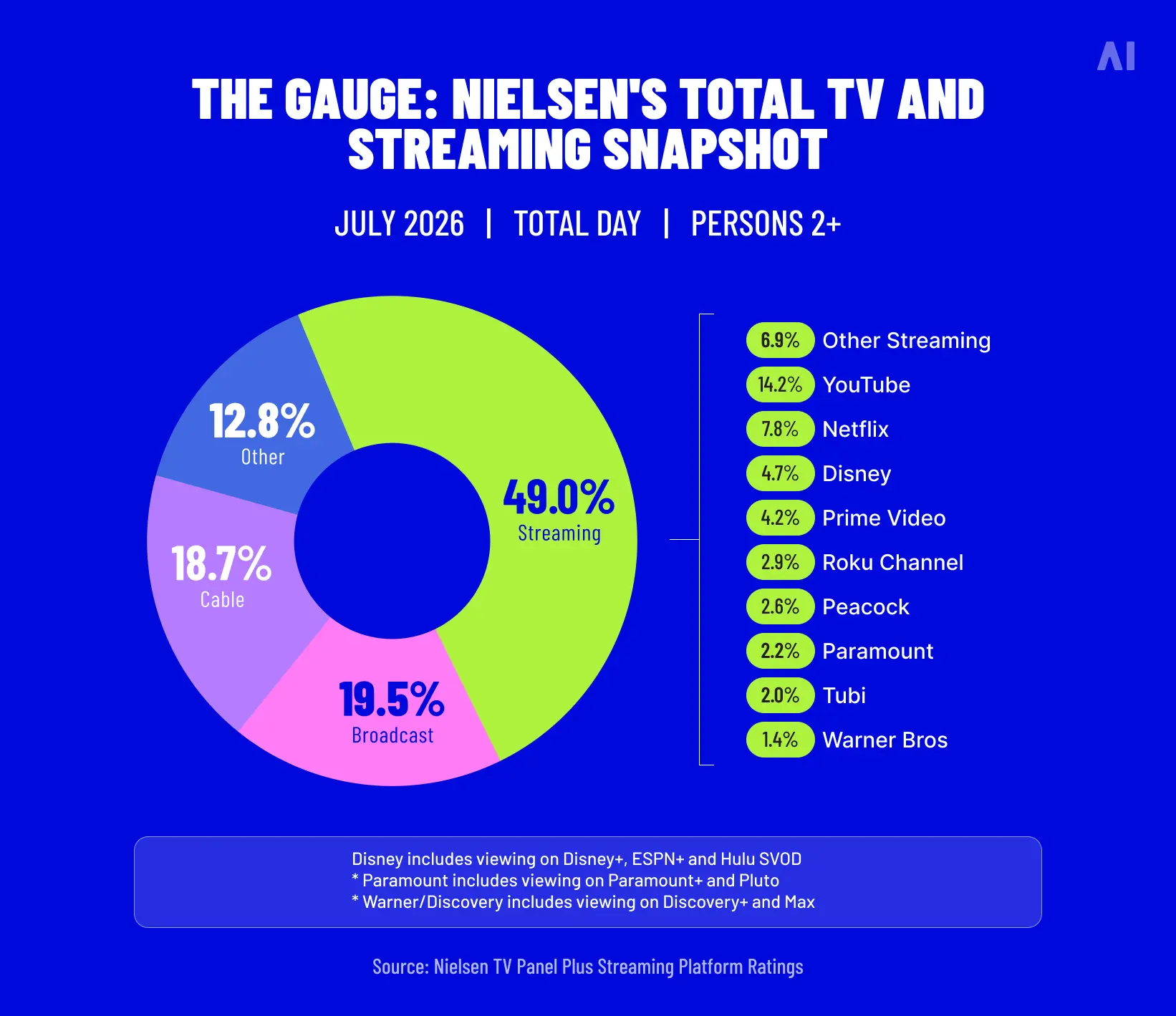
OTT attribution connects an ad delivered through an internet streaming service with a later action, such as a website visit, lead, app action or purchase. It uses available exposure and outcome data to assign conversion credit. Broader OTT measurement also covers reach, frequency and ad delivery; attribution focuses on recorded actions after exposure.
OTT refers to content streamed over the internet. Connected TV, or CTV, refers specifically to streaming watched on a television through a smart TV or connected device. An ad in a phone’s streaming app can therefore be OTT without being CTV. The distinction matters for CTV attribution, where an ad appears on a television but a later action may happen on another device.
Two findings show why marketers are paying closer attention to streaming measurement:
- Streaming captured a record 46.6% of U.S. ad-supported TV viewing in Q1 2026, according to Nielsen.
- 53.6% of surveyed senior advertisers selected cross-media measurement among the solutions they expected to have the greatest measurement impact over the next three to five years. This reflects expectations across media, including the need to connect streaming with other channels.
An attributed purchase qualifies for credit under a particular set of data and measurement rules. That credit does not, by itself, prove the ad caused the purchase.
How OTT Attribution Works
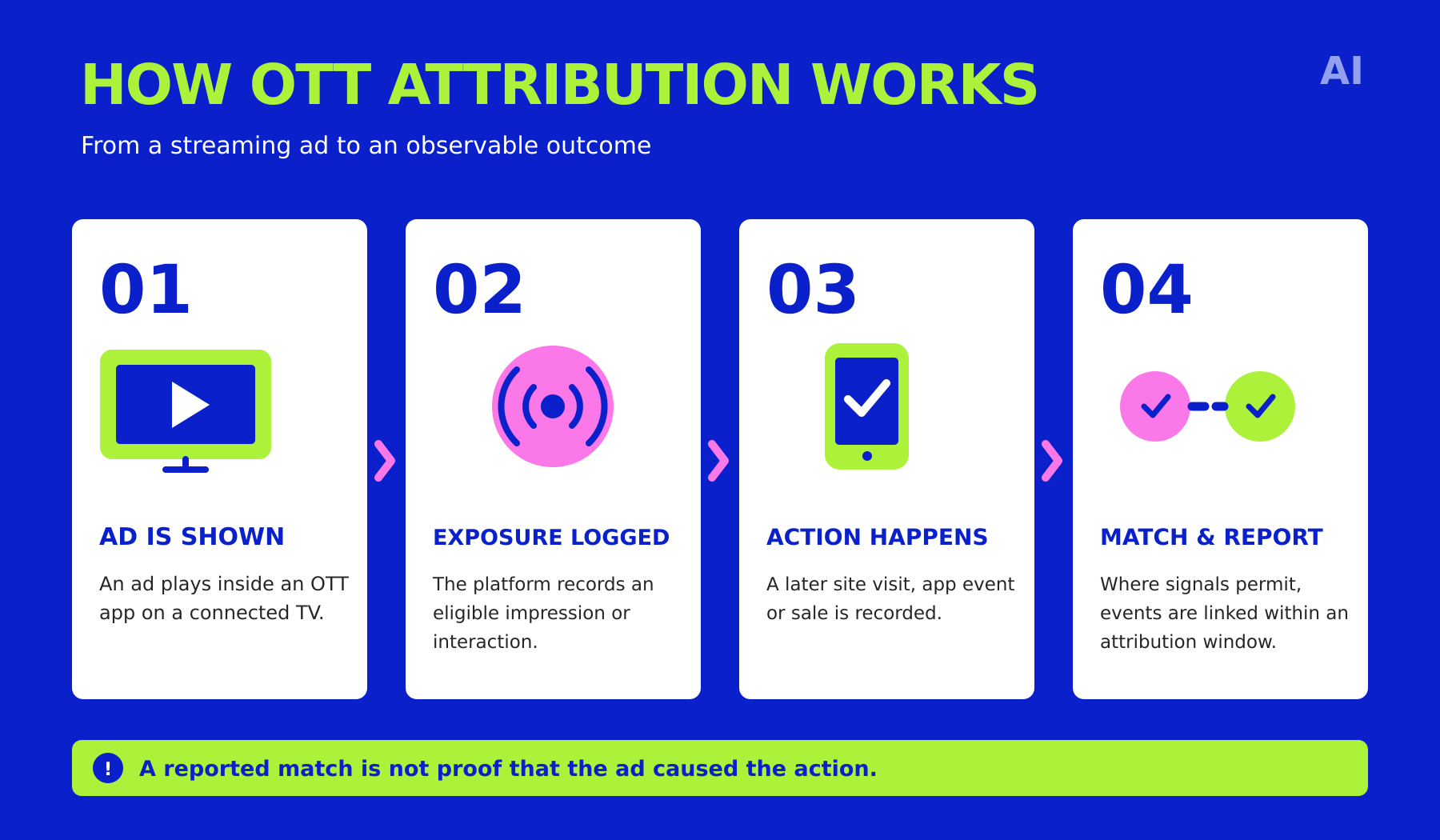
OTT attribution typically moves through three stages: recording an ad exposure, connecting it to a later outcome and applying rules that determine credit. The data and matching methods available at each stage vary by platform and measurement provider.
Record the Ad Exposure
When an ad is delivered through a streaming service, a publisher, buying platform or ad server may log an impression. That record can include the campaign, creative, publisher, placement and time, along with available device or audience information. It establishes a starting point for attribution. An impression record shows that the ad was delivered according to the system’s reporting rules; it does not confirm that a particular person watched it.
Connect Exposure to a Downstream Outcome
The next step is to check whether an exposure can be associated with a later website visit, lead, app action or purchase. Depending on the data available and permitted uses, a provider might connect events through a logged-in customer record, a device identifier, a measurement partner’s data or a household-level match. Some approaches estimate a likely connection when a direct match is unavailable.
Consider an ad delivered on a connected TV, followed two days later by a purchase on a phone. A measurement system may associate both devices with the same household and include the purchase in its analysis. That association does not establish who watched the ad or who made the purchase. If the system has no usable signal connecting the events, the exposure may remain outside the recorded conversion path.
Apply Attribution Windows and Assign Conversion Credit
An attribution window sets the period in which a later action is eligible for credit. If a campaign uses a seven-day window, the purchase in the example above could qualify; a purchase after that window would not. Eligibility still depends on the provider’s matching criteria and the campaign’s conversion definition.
The attribution model then determines how credit is assigned. One approach might credit the most recent eligible ad exposure; another might share credit among several recorded marketing interactions.
As a result, changing the window or credit rules can change the number of attributed conversions even when the underlying purchases stay the same. Marketers need those rules to interpret and compare results across platforms.
Why OTT Attribution Is So Complex
A streaming ad may appear on a television, while the response happens later on a phone or in a store. OTT attribution has to connect those events across systems that rarely share a complete record of the journey.
Fragmented Platforms, Walled Gardens, and Reporting Rules
A publisher, buying platform and measurement partner may each record and report a campaign differently. Closed platforms may provide summary results without sharing the underlying exposure data. Partners can also use different conversion definitions, attribution windows and matching rules.
That means two platforms may both claim credit for the same purchase. Their attributed conversion totals cannot simply be added together. Consistent definitions are therefore essential to CTV measurement across partners.
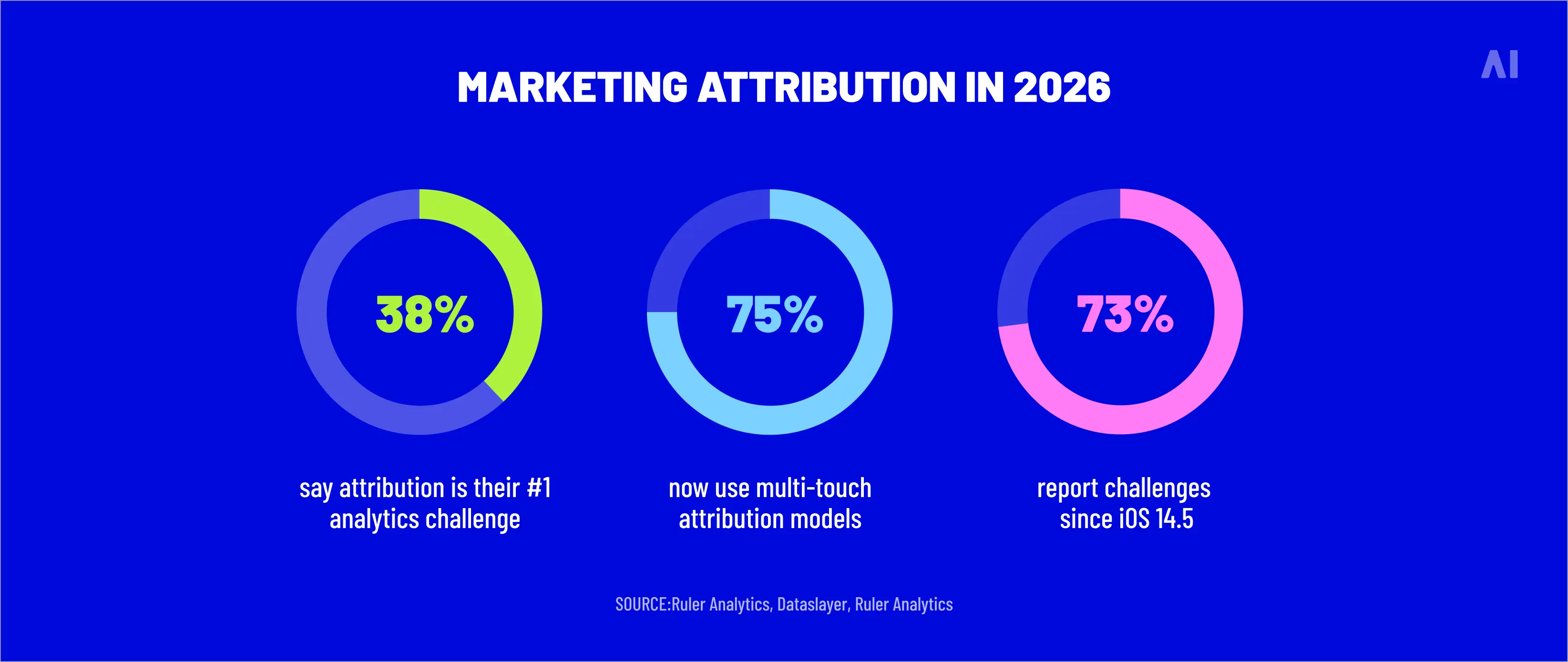
The concern extends beyond streaming. In a 2026 survey of 210 senior brand and agency marketers, 91% said platform-reported results were overstated to some degree. That is a report of marketers’ views across media, rather than a measured OTT attribution error rate.
Cross-Device and Household Identity
A TV ad can be followed by a visit on a phone, a purchase on a laptop, an app action or a sale in a store. Connecting those events may involve a logged-in customer record or device identifier. Where a direct link is unavailable, a provider may estimate that devices belong to the same household.
That distinction matters when several people share a TV. A household match cannot establish which person saw the ad and which person later converted. A 2025 study of commercial IP data shows how uncertain one common type of household link can be:
- 13% of IP-to-postal-address links were accurate on average in the data tested.
- Providers agreed on only 6.4% of those links over the same 90-day period.
The findings concern the providers and records studied, not every OTT campaign. They reinforce a distinction central to OTT audience measurement: identifying a device or household is different from identifying an individual viewer.
TV-Screen Exposure Often Has No Direct Click Path
A TV ad usually cannot be clicked to open a product page. Someone might see it, search for the brand on a phone and buy later through an app. There may be no observed click connecting the ad to the purchase.
View-through attribution and cross-device matching can help assess that sequence, but both depend on the available signals and matching rules. OTT ads in mobile or desktop environments can have clickable paths; the no-click challenge is especially relevant to television screens.
Privacy, Signal Loss, and Data Gaps
Consent choices, restricted identifiers and limits on third-party tracking can reduce the data available to connect an exposure with an outcome. A platform may withhold event-level data, while an advertiser may lack the first-party records needed to recognise a later purchase.
The resulting journey may omit exposures or leave conversions unmatched. Where suitable data exists, modeling can estimate some missing patterns. It cannot recover an exact individual journey for which no usable signal was recorded. Measurement that does not rely on third-party cookies still faces these limits.
What OTT Attribution Can — and Cannot — Tell You
OTT attribution helps marketers see which recorded streaming ads are associated with later conversions and how those ads receive credit. The answer depends on which interactions can be observed and the rules used to connect them.
View-Through Attribution in a No-Click Environment
A TV ad usually has no click linking it directly to a purchase. View-through attribution instead checks whether a conversion occurred within an agreed period after an impression. A purchase made three days after a TV ad, for example, may qualify if the exposure and purchase meet the campaign’s matching rules.
This can reveal outcomes that click-based reporting would miss. It cannot establish that the purchaser watched the ad or that the purchase would not have happened without it.
Multi-Touch Attribution Across the Customer Journey
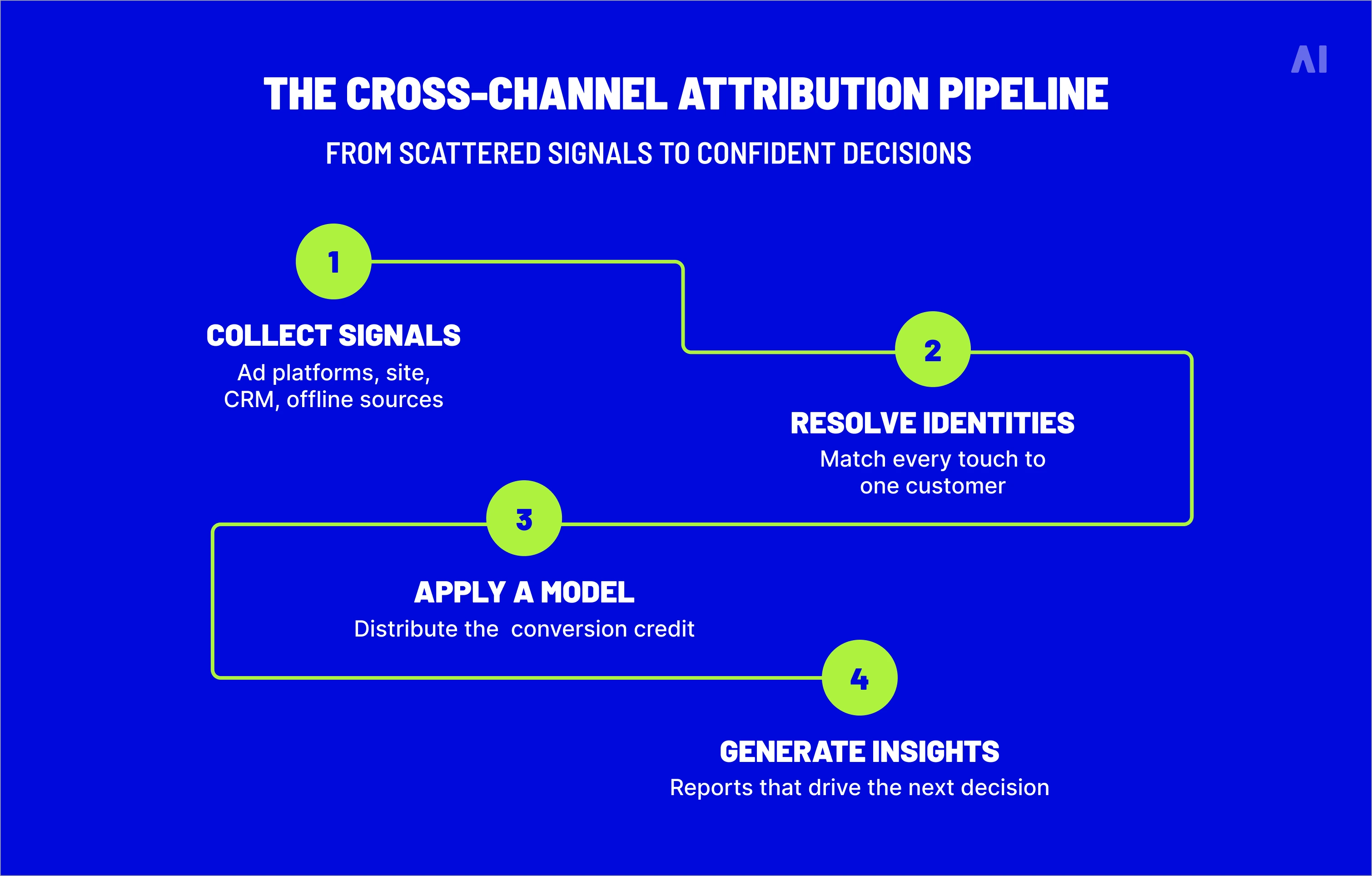
The recorded journey may include a streaming ad, a later search and an email visit before a purchase. Multi-touch attribution can divide credit among those interactions instead of assigning it all to the final click. Applied across connected paths, cross-channel attribution helps teams examine how OTT appears alongside other marketing activity.
That picture is only as complete as the underlying event and identity data. An exposure that cannot be connected to the journey will not receive credit in that analysis.
Attribution vs. Incrementality and MMM
The distinction between incrementality and attribution matters when deciding how much weight to give a campaign report. In a 2026 survey of 210 senior marketers:
- 80% said they primarily optimized campaigns using signals other than verified purchase data.
- About 35% said optimization decisions did not hold up when later checked against actual sales.
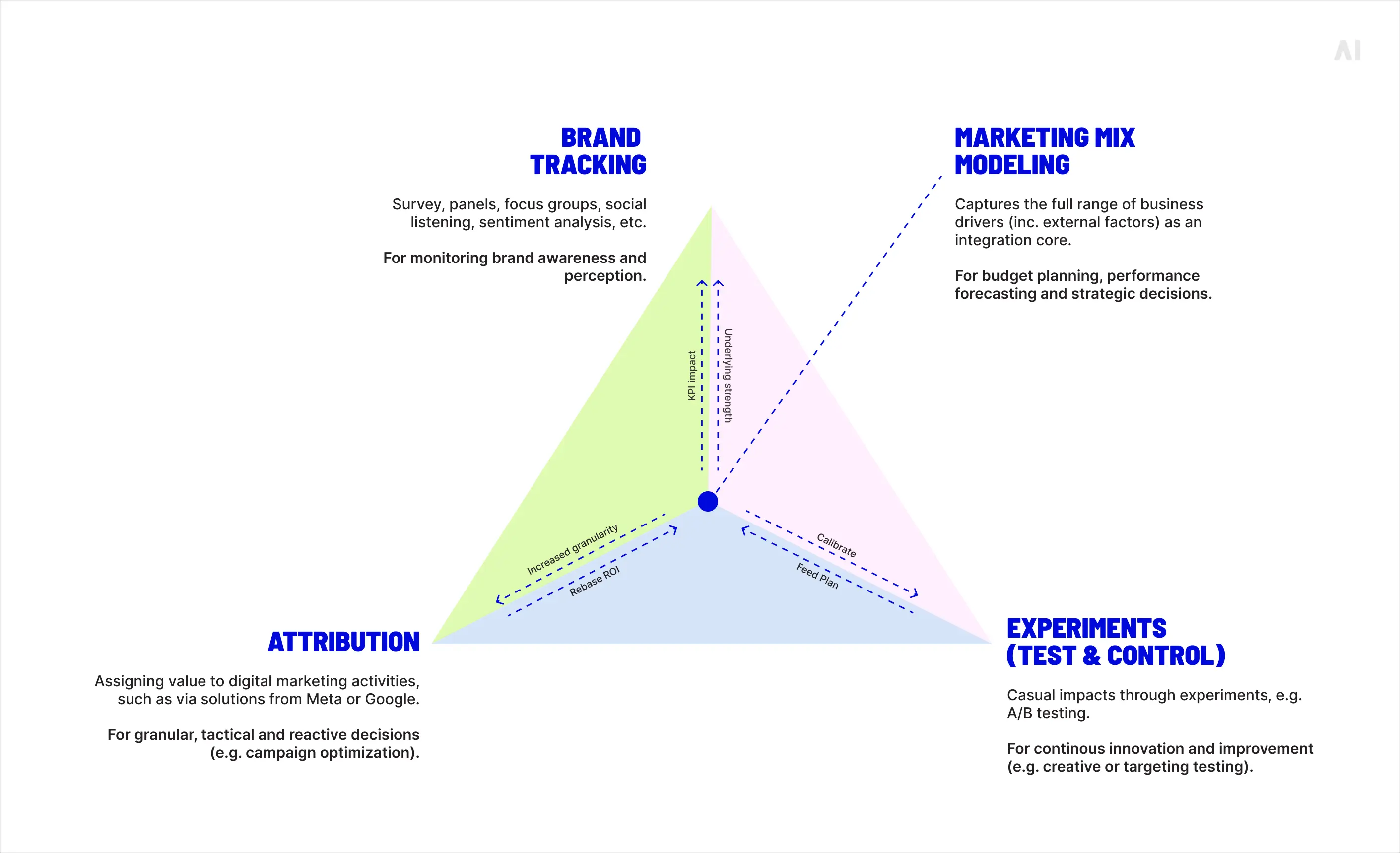
Those findings cover marketing broadly, not OTT campaigns specifically. They illustrate why attributed conversions can inform decisions while important budget changes may warrant a separate check against business outcomes.
How to Make OTT Attribution More Reliable
Reliable OTT attribution starts with clear rules that every measurement partner can explain and apply. Before using reported conversions to guide spending, work through this checklist:
- Define the outcome and window before launch. Specify whether a site visit, qualified lead, app action or purchase counts as a conversion. Set an attribution window that reflects the buying cycle.
- Align reporting definitions. Ask publishers, DSPs and measurement partners how they define impressions, conversions and eligible exposure. Use consistent time zones and comparison periods.
- Connect relevant outcome data. Where permitted, bring reliable first-party website, app, CRM or sales records into the measurement process. Check that events and timestamps are recorded consistently.
- Document identity rules. Record whether results rely on direct identifiers, household associations or estimated matches. Make clear which exposures and conversions cannot be connected.
- Reconcile platform claims. Compare attributed totals with your underlying conversion records, and check whether multiple partners have claimed the same action.
- Validate consequential decisions. Use incrementality tests where the question is causal lift, and consider MMM when assessing broader channel contribution.
Consistent definitions and visible limitations make attribution reports easier to compare. A single platform’s conversion total should not become the only basis for a budget decision.
How AI Digital Supports Broader OTT and Cross-Screen Measurement
OTT attribution is one part of understanding how streaming fits into overall marketing performance. AI Digital’s Elevate brings several relevant views into the same workflow.
Path to Conversion helps teams examine recorded touchpoints before a conversion. Advanced Reporting centralizes performance metrics from integrated DSPs, search and social sources, making it easier to review streaming alongside other media. For broader budget questions, Elevate also includes Marketing Mix Modelling, which works with aggregated marketing data.
These capabilities help teams compare available evidence across channels. The conclusions still depend on which sources are integrated, how outcomes are defined and how the results are validated.
Build a Clearer View of OTT Performance
OTT attribution helps show which streaming exposures receive conversion credit. Its value depends on reliable data, clear matching rules and an honest view of what remains unobserved.
Turn those findings into four actions:
- Agree on the conversion and attribution window before launch.
- Compare partner claims against unique leads or purchases.
- Flag household matches and missing data when reporting results.
- Validate major budget changes with incrementality testing or MMM where appropriate.
To discuss how OTT fits into your wider measurement approach, contact AI Digital.