Interactive Video Ads: How CTV Interactivity Turns Attention into Action


The move from linear TV to Connected TV rewired what advertising can do. Linear TV was built for exposure. Interactive TV advertising is built for participation.
Instead of broadcasting a message and hoping it sticks, interactive video ads invite viewers to engage directly: explore a product, choose a storyline, request an offer, scan a QR code, or trigger a follow-up on another device.
The numbers explain why budgets are shifting. Global CTV ad spend is projected to grow at double-digit rates through 2026, while linear TV continues to decline. At the same time, studies show that interactive video ads can drive 2–5× higher engagement rates than non-interactive video ads, with meaningful lifts in brand awareness, consideration, and conversion signals.
For marketers and media buyers, the appeal is control and measurement:
- Measurable actions, not just completed views
- Shoppable and clickable formats that shorten the path from awareness to action
- Real-time engagement signals that improve optimization mid-campaign
- Privacy-safe targeting aligned with the post-cookie, consent-driven landscape
💡This is why interactive TV ads are becoming a core layer of modern omnichannel advertising, working alongside display ads, social media, and programmatic video to create connected experiences across screens.
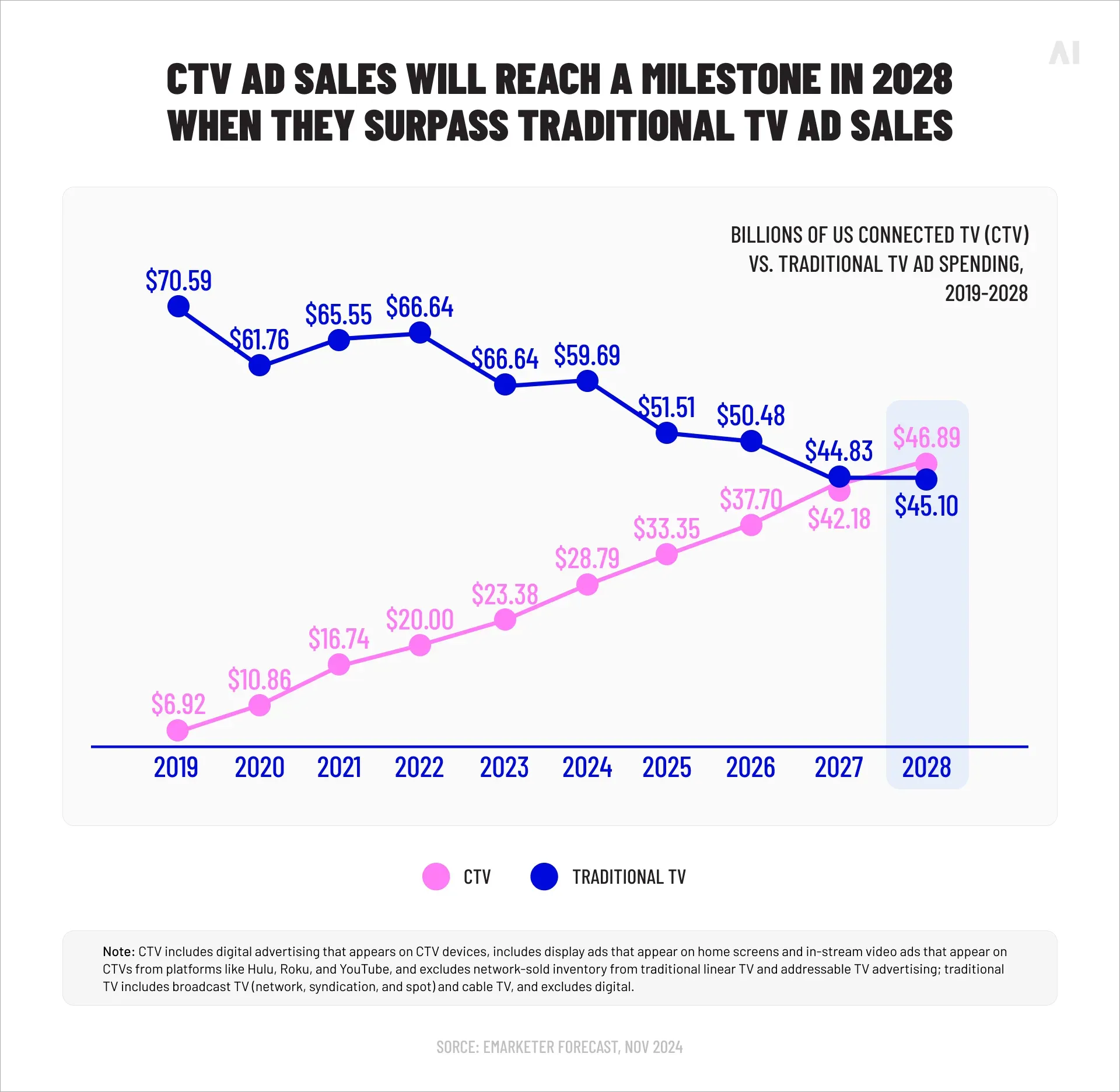
⚡️If you’re still thinking of CTV as “linear TV, but streamed,” you’re missing the point. The real difference is its interactivity. For a deeper breakdown of how streaming TV diverges from traditional broadcast models, see our analysis of CTV vs linear TV.
In this guide, we’ll break down how interactive CTV ads actually work, which interactive video formats drive real engagement, and how brands can use interactivity in 2026 to move viewers from passive watching to measurable action—without sacrificing scale or compliance.
What are interactive video ads?
Interactive video ads are advertising formats that turn passive viewers into active participants, blending the storytelling power of traditional video with the measurable engagement and action triggers of digital media. Instead of just watching a video ad on a streaming TV platform, viewers can click, choose, answer a poll, scan a QR code, explore product features, or request more information directly from the screen using their remote or connected device—a core evolution of interactive TV advertising and interactive CTV ads.
In a world where standard TV ads and video ads can struggle to hold attention, interactive formats bridge the gap between brand awareness and measurable action. According to market reports, advertisers allocating at least 26% of their video budgets to interactive features expect significantly higher engagement and conversion outcomes, and more than half of video campaigns now include dynamic interactive elements like shoppable overlays and clickable hotspots.
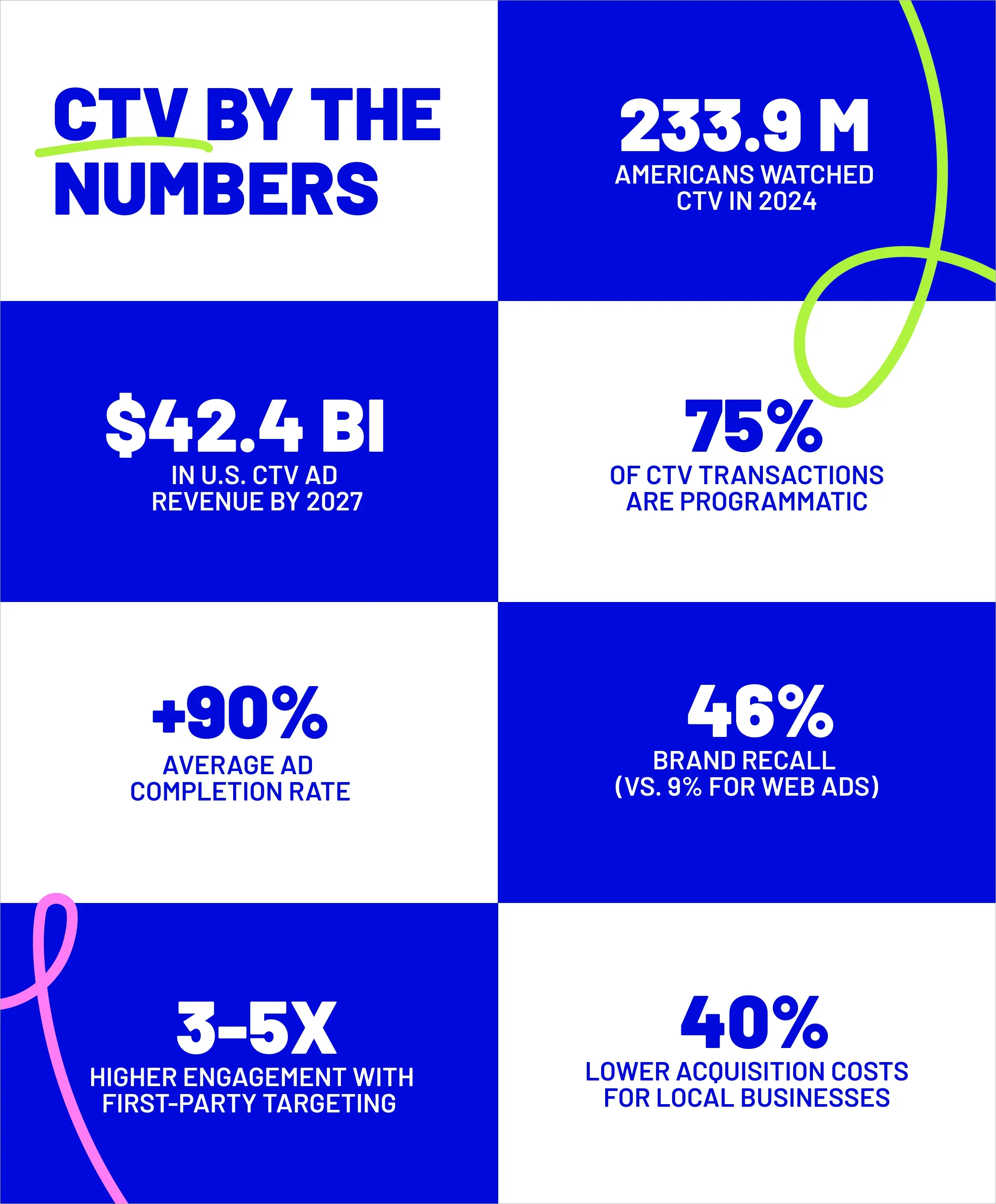
These interactive formats deliver richer audience insights by capturing explicit viewer behavior—choices made during the ad, items explored, and actions taken—allowing media buyers and growth leads to refine targeting and optimize toward real conversions rather than just impressions. Unlike passive formats, interactive ads can reveal what resonates with individual viewers, generating first-party data points that fuel smarter omnichannel strategies while preserving privacy.
💡For brands focused on improving ROI, that’s a tangible advantage: instead of only tracking views or completion rates, you can tie campaign success to engagement metrics, call-to-action responses, and even purchase intent captured in real-time.
⚡️Interactive video ads epitomize this shift by blending the scale of streaming TV with the measurable, participatory richness of digital advertising. See our analysis of how Connected TV advertising works and why it’s reshaping media strategies.
How interactive ads actually work
Interactive CTV ads blend the immersive, lean-back nature of big-screen video with simple, intuitive engagement mechanics that feel natural during streaming. Instead of interrupting the viewer, interactive formats invite participation through on-screen prompts, choices, and connected-device signals, creating a smooth flow from watching to engaging without technical friction. These ads don’t require deep tech knowledge to implement, but they do rely on three practical foundations working in concert: visual cues on screen, viewer decisions, and connectivity across devices.
On-screen interactive elements
Imagine watching your favorite show and a subtle overlay, button prompt, or animated cue appears during a break—this is the heart of interactive video ads. These visual prompts are designed for the remote control or pointer device, keeping actions simple: press “select” to learn more, swipe to explore products, or highlight a choice that tailors the next ad moment. Brands use these elements to guide viewers gently from passive viewing into engagement without breaking the flow of the experience.
💡These on-screen assets are synchronized with the ad player in the CTV environment, ensuring that interactive triggers appear at the right moment and respond instantly to remote inputs. This seamless integration is a key reason interactive formats feel native to streaming platforms, not like an intrusive overlay.
⚡️For a broader look at how advanced targeting and dynamic personalization layer onto these interactions, see how modern addressable TV advertising adapts messages to audiences in real time:
Choice-based and multi-path experiences
Beyond a single prompt, interactive video ads can offer decision points that branch the ad experience. For example, a viewer might choose between exploring a product demo or jumping to a promo code. Each choice leads to a different video path, making the viewer’s journey feel personalized and empowering.
These multi-path experiences transform ads from monologues into dialogues—still curated by the brand, but shaped by the viewer’s curiosity. That’s why choice-based formats often drive deeper engagement and richer performance insights: they reveal what the viewer wanted to see next rather than just watching a linear sequence.
Second-screen activation and device syncing
Interactive CTV doesn’t stop at the big screen. Many campaigns leverage second-screen activation—syncing the TV experience with a companion device like a smartphone or tablet. A QR code on the TV can launch a landing page, a push notification can prompt action, or a mobile session can capture contact info without viewers needing to type long URLs with a remote.
Device syncing uses network-level signals or authenticated logins (like app sign-ins) to connect the CTV experience with other screens, creating a seamless bridge between lean-back viewing and lean-forward interaction. This makes it easier for brands to capture first-party data, retarget audiences, and measure real outcomes beyond view counts.
Together, these mechanics make interactive video ads feel less like ads and more like participatory touchpoints—engagement opportunities that respect the viewer’s environment while inviting measurable action.
High-performing interactive CTV formats for 2026
When interactive video ads are done right, they don’t just show your message—they invite viewers to participate. The most effective interactive CTV ads focus on capturing attention quickly, reducing friction in engagement, and tying interactions to measurable outcomes like data capture, clicks, or conversions. In a landscape where standard video ads often see engagement plateaus, interactive formats deliver differentiated performance that modern media buyers and agency strategists can quantify and optimize.
Shoppable video

Shoppable video formats transform a Connected TV ad from a passive encounter into a transactional touchpoint. By layering product catalogs, “tap to buy” options, or QR codes that bridge to purchase pages, these interactive ads shorten the path from awareness to action. According to industry data, interactive CTV ads can generate engagement rates nearly 10× higher than standard video formats—a signal that viewers are far more likely to interact when commerce is embedded into the experience rather than tacked on as an afterthought.
Nearly 40% of OTT users report pausing content to explore or buy a product featured in an ad, meaning shoppable formats capture real intent moments that would otherwise be lost in passive viewing.
Dynamic overlays
Dynamic overlays layer adaptive visual elements over CTV ads—like countdowns, local weather cues, or animated banners—without disrupting the viewing experience. These overlays work on two fronts: they make ads feel relevant in context and they boost attention metrics that matter for ROI.
In one analysis of interactive overlay usage, countdown elements increased viewers’ memory of promotional details by 43%, and information-rich overlays like weather cues made audiences 53% more likely to pay attention compared with static formats. The result is an interactive ad that doesn’t demand a click to be effective but earns attention through contextual relevance, a critical advantage in the lean-back CTV environment.
Clickable exploration formats
Clickable exploration ads open a two-way conversation with viewers by letting them navigate product galleries, choose topics of interest, or select content paths during the ad break. Unlike QR codes that require a second device, native clickable formats let viewers engage directly with the remote, turning curiosity into measurable outcomes without friction.
These experiences align with broader interactive video trends: interactive formats across devices consistently deliver up to 47% higher engagement than standard pre-roll video ads, and shoppable or clickable features contribute strongly to that uplift. For brands, that means clickable exploration isn’t just about novelty—it’s a way to let viewers self-select what matters most to them, creating first-party signals that feed into smarter targeting and optimization.
Gamified interactive experiences
Gamification in CTV—quizzes, trivia, score-based rewards, or playful interactions—takes cues from social and mobile behavioral design and applies them to big-screen advertising. Gamified ads tap into the same psychological drivers that make quizzes and interactive content 2× more engaging than static formats.
When done thoughtfully, these experiences draw viewers deeper into the brand story, boosting time earned (how long a viewer stays engaged beyond the baseline ad duration) and brand recall.
Gamified elements also create natural breaks where first-party data can be captured (e.g., answers or progress), helping convert attention into actionable insights that feed performance analytics.
How interactivity moves viewers from attention to action
Interactive CTV ads do something that traditional TV never could at scale: they turn passive attention into measurable behaviors. Instead of hoping viewers recall a brand later, interactive formats give audiences chances to participate in the moment—and those interactions create a trail of real signals that advertisers can connect to visits, sign-ups, ecommerce conversions, and cross-device journeys.
In 2026, CTV engagement rates for interactive ads were climbing toward ~2% engagement per impression, up sharply from around 1% the year before, showing that viewers are increasingly willing to engage when given intuitive prompts.
Turning views into actions
Interactive CTV transforms a view into an action by embedding participation opportunities directly in the ad experience. Instead of merely tracking completion rates or estimated attention, interactive ads generate explicit engagement events—taps on remote controls, choice selections, QR scans, or shoppable overlays. Those events can be tied directly to measurable outcomes: according to recent benchmarks, shoppable CTV ads convert up to 5× better than standard video ads, meaning viewers are significantly more likely to proceed to a purchase or site visit when interactivity reduces friction.
This is not idle curiosity. These actions produce first-party signals—data points showing what a specific viewer chose or interacted with—that can be fed back into audience insights, optimization algorithms, and performance metrics. Because CTV completion rates are already high (often above 90% for non-skippable ads), the addition of interactive triggers means more qualified attention and more opportunities to spark action.
Cross-device retargeting and sequential messaging
Once a viewer interacts with an interactive video ad on CTV, that signal can activate follow-up messaging across devices. For example, if someone selects a product category from an interactive TV ad, they might later see tailored display ads on mobile or desktop, or receive a social ad reminding them about the product they explored. This sequential messaging turns a singular attention moment into a multi-touch journey.
💡This cross-device flow matters because many viewers today are on a second screen while watching CTV: nearly 70% of younger viewers scroll on their phones during TV viewing sessions, creating natural opportunities to link the big-screen engagement to mobile actions like search or purchase.
⚡️In this context, our analysis about CTV Retargeting unpacks how media buyers can operationalize these signals into retargeting funnels that extend attention into action beyond the living-room screen.
Capture audience signals

Every choice, click, or explore event in an interactive CTV ad generates audience signals that are more valuable than traditional view metrics. These signals show intent—what a viewer was curious about, what they selected, and how they engaged. When aggregated, they help advertisers refine audiences, tailor messaging, and optimize future placements.
Capturing these signals feeds into advertising intelligence systems that turn engagement data into strategic insights, such as which creative elements resonate or which segments are most likely to convert. By leveraging first-party engagement metrics instead of relying solely on impressions or reach, advertisers improve both targeting precision and ROI. You can learn more about how audience signals power smarter advertising.
Interactive CTV captures the moment of engagement and stitches it into the broader marketing funnel, moving audiences from watching to wanting to doing, with measurable outcomes at every step.
⚡️For instance—consider AI Digital’s Elevate, which applies machine learning across planning, optimization, and insights to turn raw interaction data into usable intelligence:
- In planning, an NLP-powered assistant builds draft media plans in about 30 seconds by learning from historical performance patterns, while a predictive engine forecasts cross-channel outcomes and recommends budget splits based on likely impact—not guesswork.
- In optimization, an Impact Score continuously ranks the changes most likely to lift performance, refreshing roughly every 15 minutes and evaluating 15+ variables, including third-party verification signals. A custom KPI optimizer then adjusts budgets and bids toward actual business goals—such as conversions or qualified visits—rather than proxy metrics like clicks or views.
- In insights, Ask Elevate translates complex platform logs into clear, plain-language explanations and proactive recommendations. Automated anomaly detection and trend analysis surface what’s changing, why it matters, and what to do next—without requiring teams to dig through dashboards.
The result is a closed loop: interactive CTV engagement → captured audience signals → intelligent optimization → stronger outcomes. Instead of treating CTV interactions as isolated events, brands can turn them into a continuous learning system that improves performance campaign after campaign.
Best practices for building high-performing interactive ads
Creating interactive CTV ads that actually work in the real world requires more than flashy widgets and animated overlays. The goal is to design experiences that respect how people watch TV while giving them clear, low-friction paths to act. Below are practical, performance-proven guidelines brands and agencies can use to build interactive ads that drive measurable engagement, action, and business outcomes.
Define a clear primary action
Every interactive ad should start with a singular, meaningful purpose. Whether you want a viewer to explore products, sign up for content, visit a landing page, or claim an offer, the primary action must be obvious within the first few seconds of engagement. Research shows that when interactive ads define a single call-to-action, completion rates and engagement metrics improve significantly compared with multi-option complexity.
Platforms like Elevate help planners align media strategy with concrete business goals, using predictive models to suggest the action most likely to drive performance and recommend budget splits that emphasize outcome-oriented interactions instead of just reach. Elevate draws on historical data and contextual insights to propose actions that resonate with audiences—giving you a data-backed starting point before creative production begins.
Design for simplicity and remote navigation
Interactive formats must work flawlessly with remote controls and lean-back viewing, not just touchscreens. This means keep prompts simple, use large, readable buttons, and make sure navigation is intuitive without a keyboard or mouse. Too many choices or tiny click targets kill engagement faster than you think.
Viewers are already comfortable with one-button interactions on CTV; designs that mirror familiar UX patterns from streaming interfaces tend to see higher engagement. Smart overlays and choice prompts should be clearly labeled and easy to select with directional buttons.
⚡️For additional context on how CTV engagement trends are shaping ad design, see our analysis on key connected TV stats on viewer behavior and interaction preferences
Optimize for lean-back viewing
Lean-back viewing means minimal distraction, maximum relevance. Interactive elements should complement the content, not fight with it. Consider timed prompts that appear during natural pauses or transitions, subtle visual cues instead of intrusive banners, and interactions that require no typing or device switching.
Smart Supply, AI Digital’s programmatic media buying and planning solution, ensures that your ads reach the right viewers in the right context—filtering out low-quality inventory and driving clarity in who sees your interactive formats. By connecting high-quality supply to your KPIs, you preserve viewer attention and make your interactive cues more effective.
💡Lean-back optimization also depends on timing and frequency: too many interactive prompts in a short window can overwhelm; too few can feel like missed opportunities. Use data from initial campaigns to calibrate this balance over time.
Test, analyze, and iterate
The best interactive campaigns aren’t one-and-done—they evolve. Build a feedback loop where data flows back into creative decisions. Track which elements viewers engage with most, which paths lead to the highest conversions, and where drop-off happens. Use this information to refine both UX and media strategy.
Elevate’s optimization engine continuously analyzes performance and updates recommendations every ~15 minutes, scoring potential changes by Impact Score—a metric designed to signal which actions are most likely to improve results based on live behavior and multi-variable analysis. That means your team spends less time guessing and more time acting on data-informed opportunities.
Iterative testing also helps guard against ad fatigue and creative stagnation by enabling rapid A/B experiments, different interaction triggers, and varied call-to-action placements to see what resonates.
Personalize without crossing privacy lines
In advertising, personalization is the practice of tailoring ad messages, formats, and experiences to audiences using contextual signals and first-party engagement data It improves relevance, but in CTV it must tread carefully around privacy expectations and platform limitations. The strongest interactive strategies rely on contextual signals—such as content genre, time of day, device type, and viewing environment—rather than invasive user-level tracking. These signals allow brands to adapt interactive elements (messaging, prompts, offers) in ways that feel natural in a lean-back setting and remain compliant with consent frameworks.
⚡️For a deeper breakdown of how AI enables this balance—without relying on prohibited identifiers, see our guide on AI-driven Personalization — What It Is, How It Works, and Why It Matters in 2026
Essential KPIs for interactive CTV campaigns
Measuring interactive CTV success requires moving beyond vanity metrics and focusing on KPIs that reflect real business impact. Traditional video metrics—like impressions or completion rates—still provide context, but they don’t explain why an ad worked or what it drove. Interactive formats change that by generating explicit actions and signals that can be tied to outcomes across the funnel.
The key is to separate surface-level engagement from decision-driving performance.
{{26-Interactive-Video-Ads="/tables"}}
Interactive CTV reframes efficiency. While CPM provides buying context, cost per qualified action (engaged visit, completed interaction, conversion) is the KPI that reflects ROI. Campaigns optimized to CPA rather than impressions consistently deliver clearer business value.
⚡️To ground these KPIs within a broader performance framework, see how modern marketers define and prioritize metrics in digital marketing KPIs. And as measurement standards continue to evolve, the upcoming guide CTV Measurement: The Key Metrics That Will Define Successful Campaigns explores how interactive signals, privacy-safe attribution, and cross-channel outcomes are reshaping how success is defined.
In short, the best interactive CTV KPIs don’t ask “Did they watch?”—they ask “Did they act, and did it matter?”
How AI Digital scales and optimizes interactive video ads
At AI Digital, scaling interactive video ads isn’t about stacking features—it’s about driving measurable business outcomes with clarity, efficiency, and transparency. Interactive CTV formats generate rich engagement signals, but without intelligent optimization these signals remain under-leveraged. AI Digital’s approach combines machine learning, cross-platform strategy, and rigorous media quality controls to convert viewer interactions into action-oriented performance.
- Outcome-focused optimization → Rather than optimizing toward traditional proxies like impressions or CPM, AI Digital’s systems—and particularly the Elevate intelligence layer—prioritize business outcomes such as qualified visits, conversions, and cost per action. This means automated decisions are grounded in what actually moves the needle for brands, not what looks good on report cards.
- DSP-agnostic performance and transparency → Media ecosystems are fragmented — there’s no “one DSP to rule them all.” AI Digital uses a DSP-agnostic, Open Garden model, connecting campaigns to 15+ DSPs and multiple SSPs so that interactive video ads run where they are most likely to perform, not just where a single platform pushes them.
- Premium supply and cost efficiency → Audience targeting and optimization are only as good as the inventory they run on. With Smart Supply, AI Digital curates premium, brand-safe CTV and OTT placements, filtering out low-value or non-viewable traffic before budget hits the auction. Powered by AI-driven supply-side optimization, Smart Supply continuously analyzes supply paths, inventory performance, and cost structures in real time—prioritizing placements that deliver higher viewability, stronger engagement, and better cost efficiency while systematically excluding underperforming or opaque inventory.
- Creative and audience refinement → Interactive video ads benefit from continuous learning. As Elevate ingests real engagement data—choices, clicks, path selections—it identifies which creative treatments, call-to-action triggers, and audience segments yield the strongest performance.
- Cross-platform coherence → AI Digital’s optimization spans CTV, OTT, display ads, and other digital formats, ensuring that lessons from one channel inform others, and that interactive signals feed broader cross-channel strategies. This unified view prevents silos in measurement and enables consistent performance benchmarking across formats and devices.
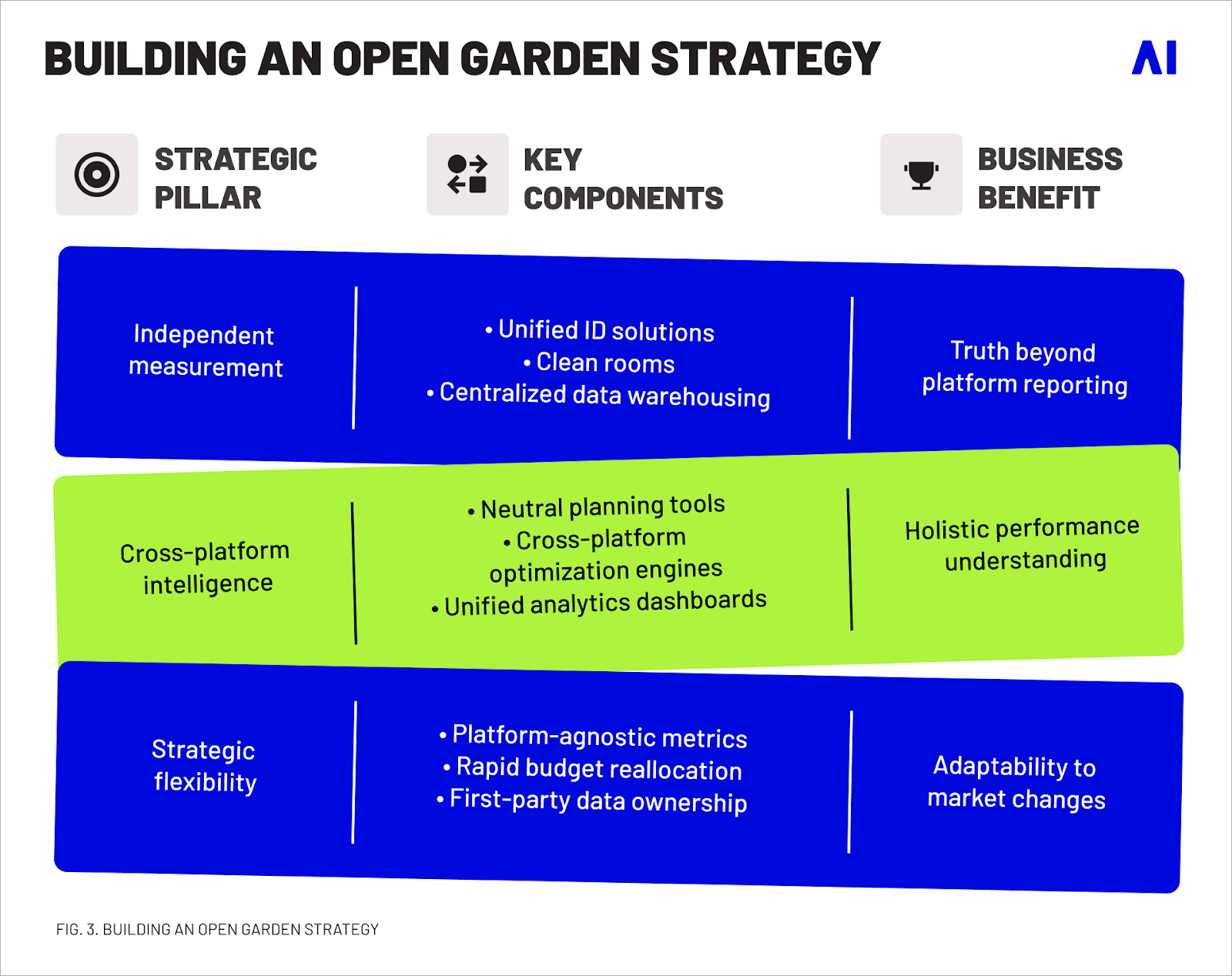
AI Digital scales and optimizes interactive video ads by aligning AI-enhanced bidding, premium supply selection, and outcome-centric measurement, ensuring campaigns are not just seen, but drive action with efficiency and transparency.
Common challenges with interactive video ads
Interactive video ads unlock powerful engagement, but without careful planning and execution, their impact can fall short of expectations. Many advertisers fall into the same traps—mistakes that turn promising concepts into frustrating experiences or unmeasurable campaigns. Understanding these challenges helps media buyers, strategists, and creative teams avoid costly missteps and drive better outcomes.

These execution challenges are often compounded by structural issues in the ad tech ecosystem. For example, walled gardens create fragmented visibility, making it harder to measure cross-platform activity and unifying performance data. When key interactions happen behind platform-specific walls, advertisers lose transparency and control—turning engagement signals into black boxes.
⚡️For a deeper look at how ecosystem constraints like walled gardens impact measurement and advertiser visibility, see our guide on The Silent Tax of Walled Gardens.
💡In sum, even strong interactive creative concepts can fail without user-centric design, clear CTAs, and measurement frameworks that connect engagement to business results. Addressing these common pitfalls is essential for making interactive video ads not just engaging, but effective.
Conclusion: Turning interactive CTV ads into a growth engine
Interactive CTV ads are no longer experimental. They are a proven, scalable lever for growth when strategy, execution, and measurement work together. By combining engaging interactive formats with audience insights and AI-driven optimization, brands can turn streaming attention into measurable business outcomes.
What makes interactive CTV effective is not a single feature, but the system behind it—clear actions, intelligent optimization, premium supply, and transparent measurement. When these elements align, interactive CTV becomes repeatable, predictable, and scalable.
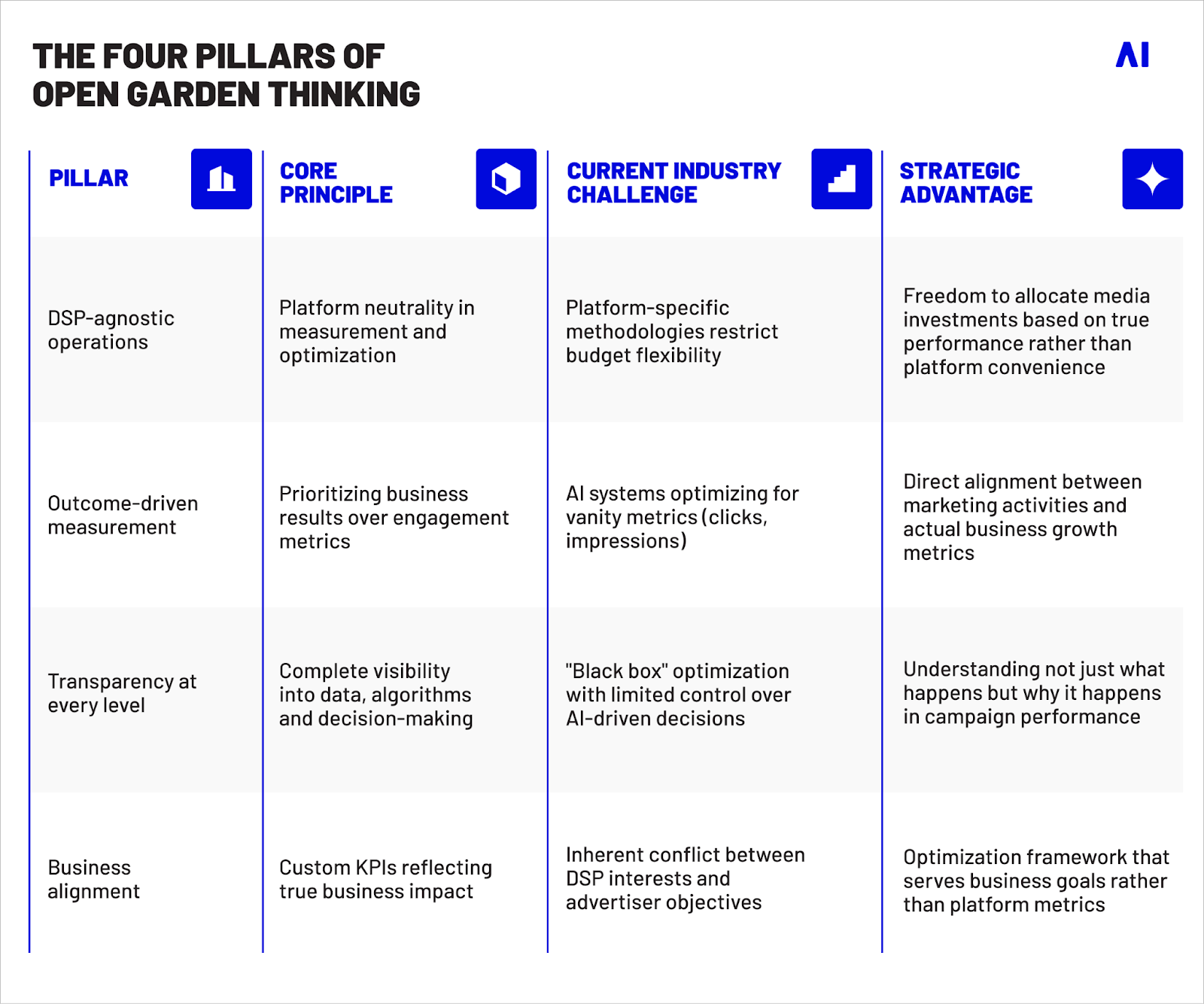
Here’s how interactive CTV drives growth in practice:
- Attention → Engagement
Interactive formats capture interest and invite participation without disrupting lean-back viewing.
- Engagement → Intent signals
Viewer actions (choices, clicks, scans) generate first-party signals that reveal real intent.
- Intent signals → Smarter optimization
AI-driven systems learn what works and continuously refine creative, targeting, and supply.
- Smarter optimization → Measurable actions
Campaigns drive visits, sign-ups, purchases, and lower cost per action—not just impressions.
- Measurable actions → Scalable growth
Insights compound over time, turning interactive CTV into a reliable performance channel.
💡For advertisers navigating fragmented media environments, the message is clear: interactive CTV is not a test—it’s a growth engine when powered by the right intelligence and execution framework.
⚡️To see how AI Digital helps brands activate, optimize, and scale interactive CTV as part of a performance-driven media strategy, explore what we do