Programmatic vs Non-Programmatic Advertising in Modern Media Buying


Programmatic vs non-programmatic advertising is no longer a choice between modern and traditional media buying. In the United States, automated buying has become the default method for accessing digital display inventory at scale, while direct publisher agreements continue to support premium placements, guaranteed delivery, sponsorships, and campaigns where context matters as much as audience reach.
The distinction is becoming more important as U.S. media investment accelerates. IAB projects total U.S. advertising spending to increase 9.5% in 2026, with social media, connected TV, and commerce media all expected to record double-digit growth. This follows a record $294.6 billion in U.S. internet advertising revenue during 2025, representing a 13.9% year-over-year increase.
However, more automation does not automatically produce better media outcomes. The ANA’s Q4 2025 Programmatic Transparency Benchmark found that advertisers applying stronger quality controls converted 56.7% of their programmatic investment into effective working media. The finding highlights an important strategic reality: scale creates value only when advertisers can control supply quality, costs, measurement, and accountability.
Programmatic buying prioritizes automation, audience targeting, rapid activation, and real-time optimization. Non-programmatic buying relies on negotiation and direct publisher relationships to provide greater certainty over inventory, placement, pricing, and delivery.
This guide explains how both buying models work, when each creates the greatest business value, and how enterprise advertisers can combine them into a hybrid media strategy that balances scale with control, efficiency with quality, and automation with informed human oversight.
What Is Programmatic Advertising (and What It's Not)
Programmatic advertising is the automated, data-driven buying and selling of digital ad inventory. Instead of negotiating every placement through emails, rate cards, and insertion orders, advertisers use software to evaluate available impressions, apply audience and contextual signals, set a price, and decide whether to buy. Transactions may occur through real-time bidding (RTB), but programmatic also includes automated direct arrangements with publishers.
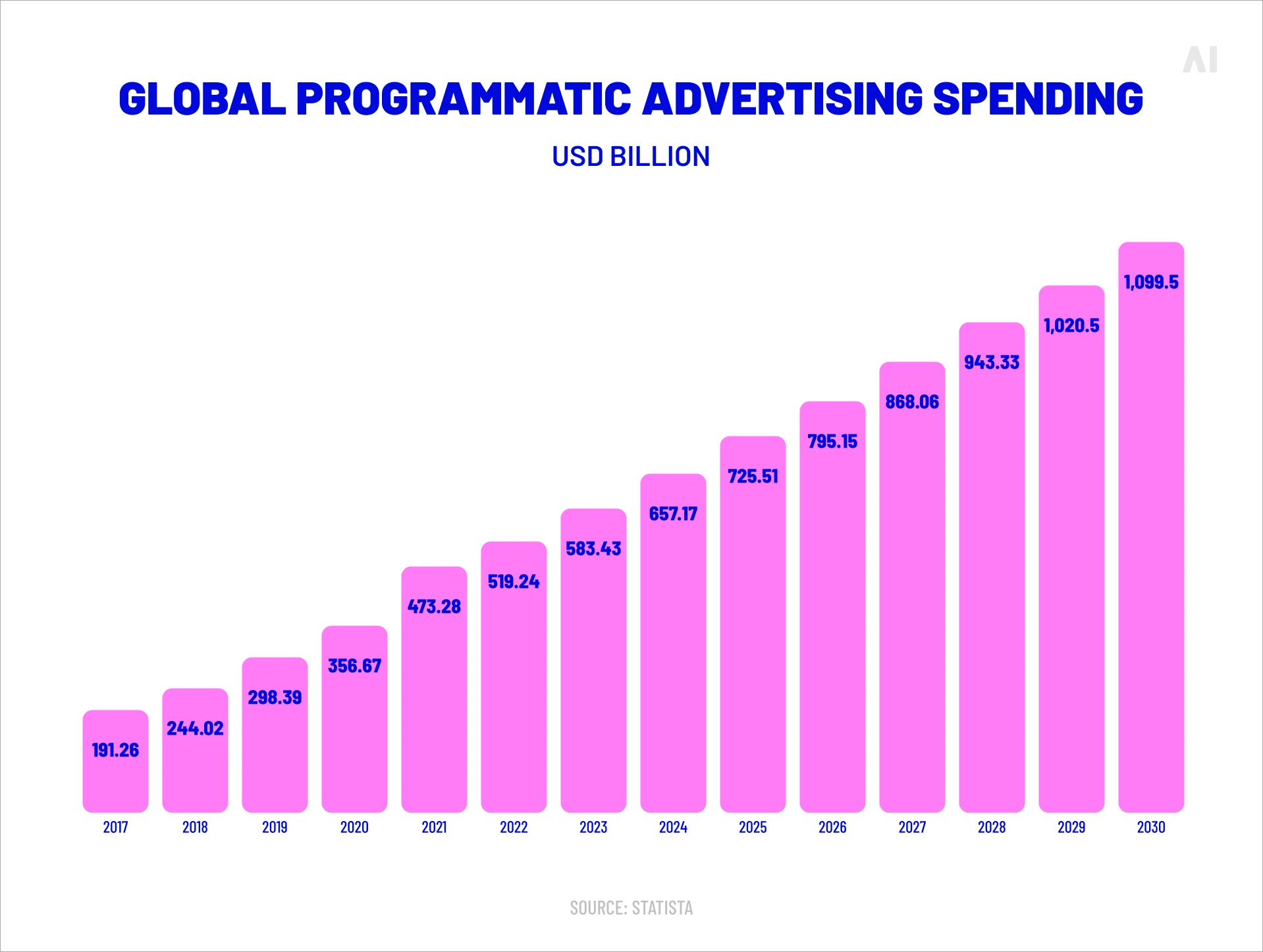
💡The essential distinction is that programmatic is a buying method, not an advertising channel. Display banners can be bought programmatically, but so can connected TV (CTV), online video, digital audio, native, mobile, retail media, and digital out-of-home inventory. A campaign becomes programmatic because software and data automate how inventory is accessed, valued, purchased, delivered, and optimized—not because of how the ad looks or where it appears.
⚡️Programmatic is also not synonymous with the open auction. RTB is one transaction mechanism within a broader ecosystem that includes private marketplaces, preferred deals, and Programmatic Guaranteed. Each offers a different balance of access, pricing certainty, inventory quality, and delivery assurance. AI Digital’s guide to programmatic advertising explores these distinctions in more detail.
Nor is programmatic a “set-and-forget” system. Platforms can process bid opportunities and respond to performance signals faster than any media team, but they cannot independently define the right business objective, establish brand-suitability standards, assess strategic trade-offs, or prove whether reported conversions represent incremental growth. Effective execution still requires human governance over the ad tech stack, including partner selection, data quality, supply paths, measurement, and optimization.
How the Programmatic Ecosystem Works
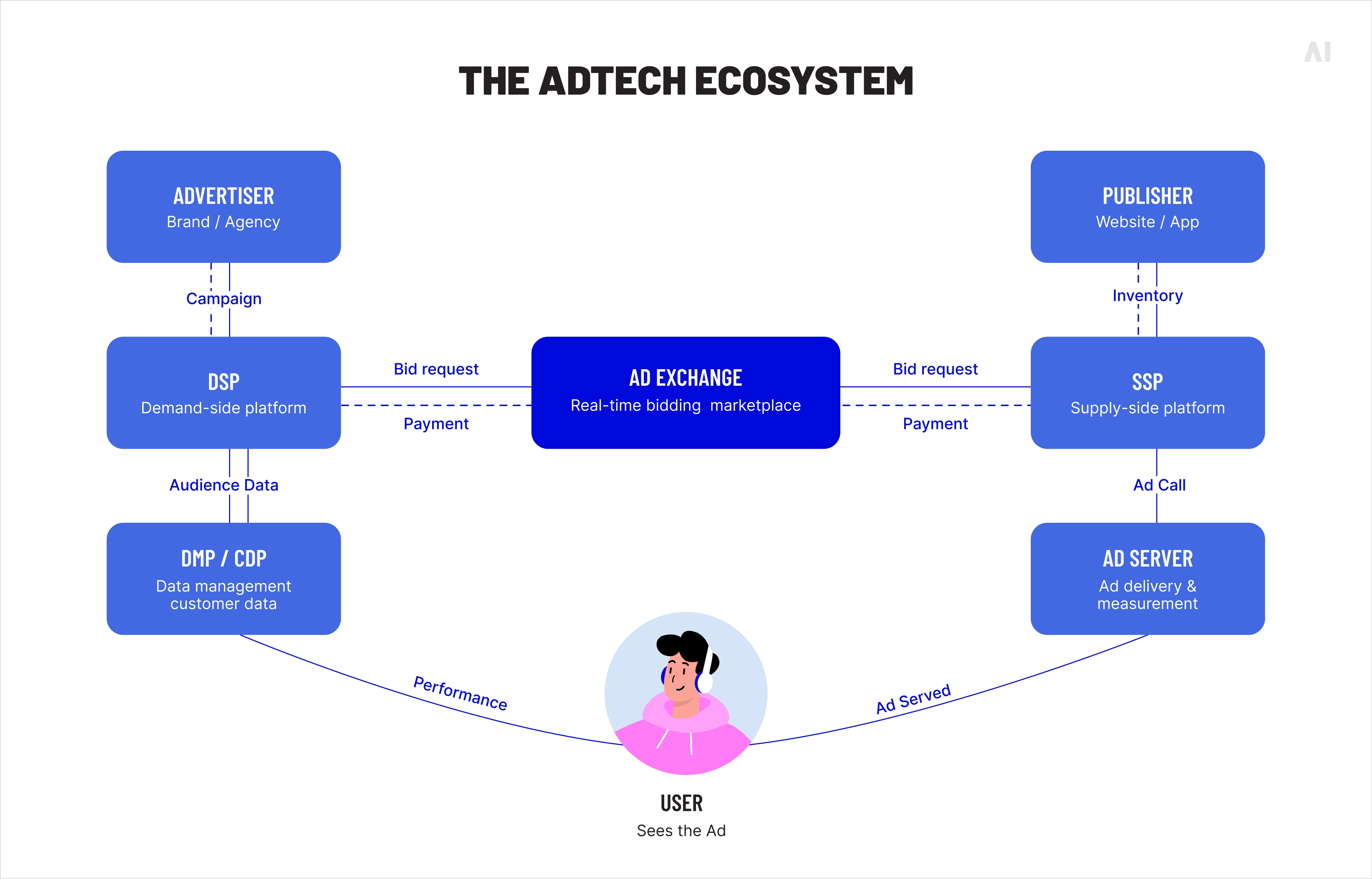
Programmatic buying connects advertisers and publishers through several specialized technologies:
- Demand-side platform (DSP): The advertiser’s buying system. It evaluates impressions, applies targeting and budget rules, submits bids, manages pacing and frequency, and reports performance.
- Supply-side platform (SSP): The publisher’s selling system. It packages inventory, applies price floors and quality controls, and connects supply to buyers.
- Ad exchange: The marketplace where eligible buyers compete and the winning bid is selected.
- Customer data platform (CDP): A system that unifies consented first-party customer data into persistent profiles for audience creation, suppression, personalization, and measurement.
- Data management platform (DMP): A platform traditionally used to organize pseudonymous audience and advertising data for segmentation and activation.
The basic transaction is:
Bid request → DSP evaluation → auction → winning creative selected → impression served → performance data recorded
When a person opens an ad-supported webpage, app, or streaming service, the publisher makes an impression available. The SSP or exchange sends eligible DSPs a bid request containing permitted information about the placement, device, context, and audience. Each DSP compares the opportunity with campaign rules and either bids or passes. The auction selects a winner, and the creative is returned for delivery—usually within the time it takes the content to load.
⚡️For a closer infrastructure comparison, read DSP vs. SSP vs. ad exchange.
The Four Programmatic Buying Types
Programmatic buying ranges from open, auction-based access to one-to-one reserved agreements. The right model depends on whether the campaign prioritizes scale, premium inventory, price certainty, delivery guarantees, or control.
{{pnp-1}}
Open Auction maximizes scale and flexibility, but buyers must actively manage quality, fraud, duplication, and brand suitability. A PMP restricts participation to approved buyers and curated inventory, retaining auction-based decisioning with stronger supply control. A Preferred Deal gives one advertiser first-look access at a fixed CPM without guaranteeing volume.
Programmatic Guaranteed reserves an agreed number of impressions at a fixed price, combining the certainty of a direct deal with automated execution.
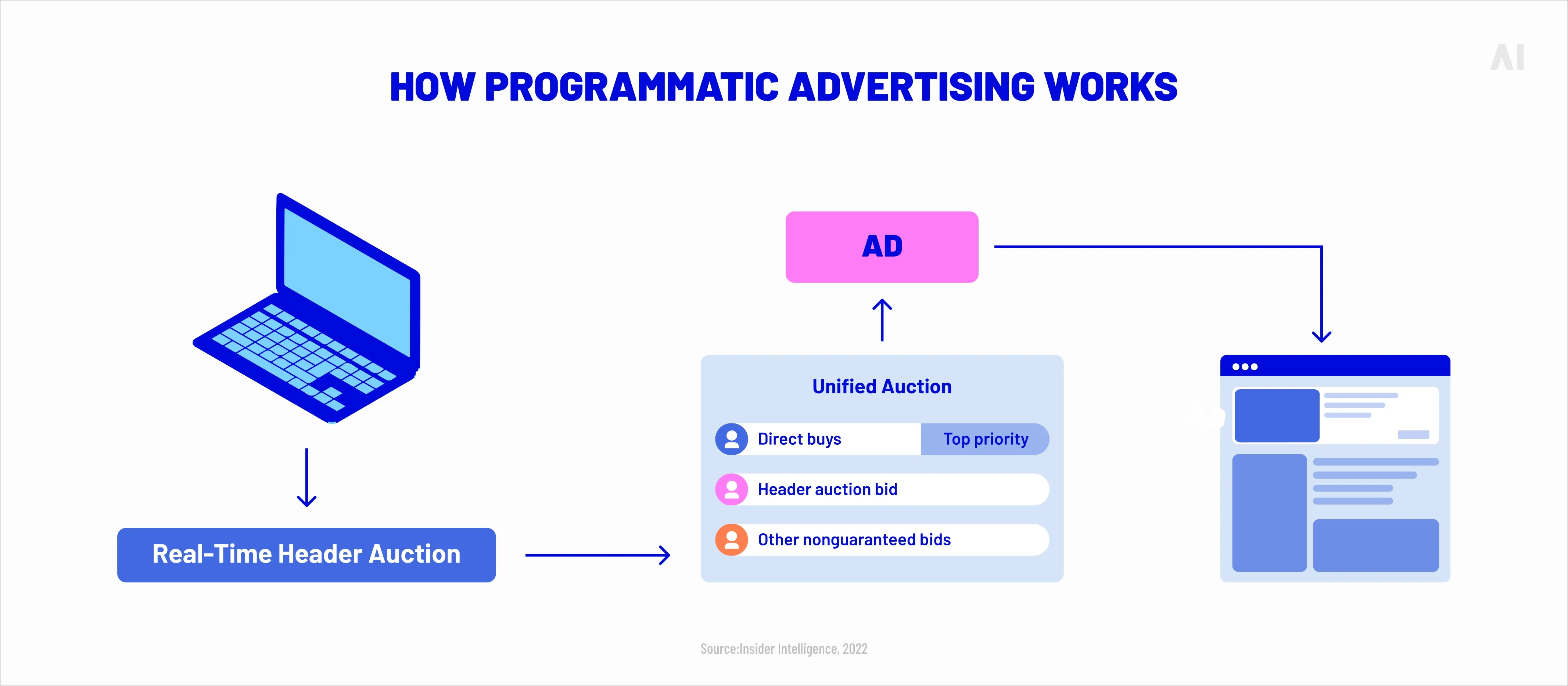
💡Google’s deal documentation confirms the central distinction: preferred arrangements are fixed-price but non-guaranteed, while Programmatic Guaranteed commits the buyer to a fixed impression volume, CPM, and campaign period.
⚡️AI Digital’s Programmatic Guaranteed guide explains the workflow, while the another guide on programmatic direct vs. Programmatic Guaranteed examines where the terms overlap and where they differ.
Programmatic Beyond Display
Programmatic is an operating model that can be applied wherever digital inventory, audience signals, and automated transaction infrastructure are available. The buying logic remains consistent across channels, while the inventory, targeting signals, creative requirements, and measurement standards change.
{{pnp-2}}
CTV makes the distinction especially clear: the screen is television, but the inventory can still be purchased through automated, audience-informed systems. The same principle applies to audio, outdoor screens, retail environments, and mobile apps.
⚡️AI Digital’s guide to programmatic TV advertising shows how the model applies across CTV, OTT, and addressable television.
💡The strategic question is not whether a channel “is programmatic.” It is which inventory within that channel is programmatically accessible, which buying model provides the right level of control, and whether the available data and measurement justify the transaction path.
What Is Non-Programmatic Advertising
Non-programmatic advertising is media inventory purchased through manual negotiation and direct relationships between advertisers, agencies, publishers, broadcasters, and other media owners. The parties agree on the placement, price, campaign period, delivery volume, creative requirements, and reporting terms, typically formalizing the agreement through an insertion order (IO).
It includes direct digital placements, premium publisher partnerships, sponsorships, branded content, print, linear TV, radio, out-of-home advertising, and custom integrations. Unlike automated buying, direct agreements give advertisers greater certainty over where an ad will appear, how it will be presented, and what inventory will be delivered.
Direct buying remains strategically important within the expanding U.S. advertising market:
- U.S. ad spending is forecast to grow 9.5% in 2026, compared with 5.7% in 2025. Social media is projected to grow 14.6%, connected TV 13.8%, and commerce media 12.1%, increasing competition for high-value inventory across major digital environments.
- U.S. digital video ad spending is projected to exceed $80 billion in 2026, growing 11% year over year and accounting for more than 60% of total TV and video advertising investment. This strengthens the value of guaranteed video placements, premium streaming inventory, sponsorships, and direct publisher access alongside auction-based buying.
- U.S. digital advertising revenue reached a record $294.6 billion in 2025, increasing 13.9% year over year. As investment expands across video, social, commerce media, search, and creator-led content, advertisers need different transaction models for different campaign objectives.
- Direct buying remains part of current digital advertising infrastructure. In May 2026, IAB released updated standard terms covering direct digital media buys, IOs, cancellations, sponsorships, custom content, and upfront deals.
The principal advantage of non-programmatic buying is access and certainty rather than speed. It is particularly useful for homepage takeovers, premium video, product launches, exclusive sponsorships, custom content, regulated campaigns, and placements where the publisher’s editorial environment contributes to the value of the campaign.
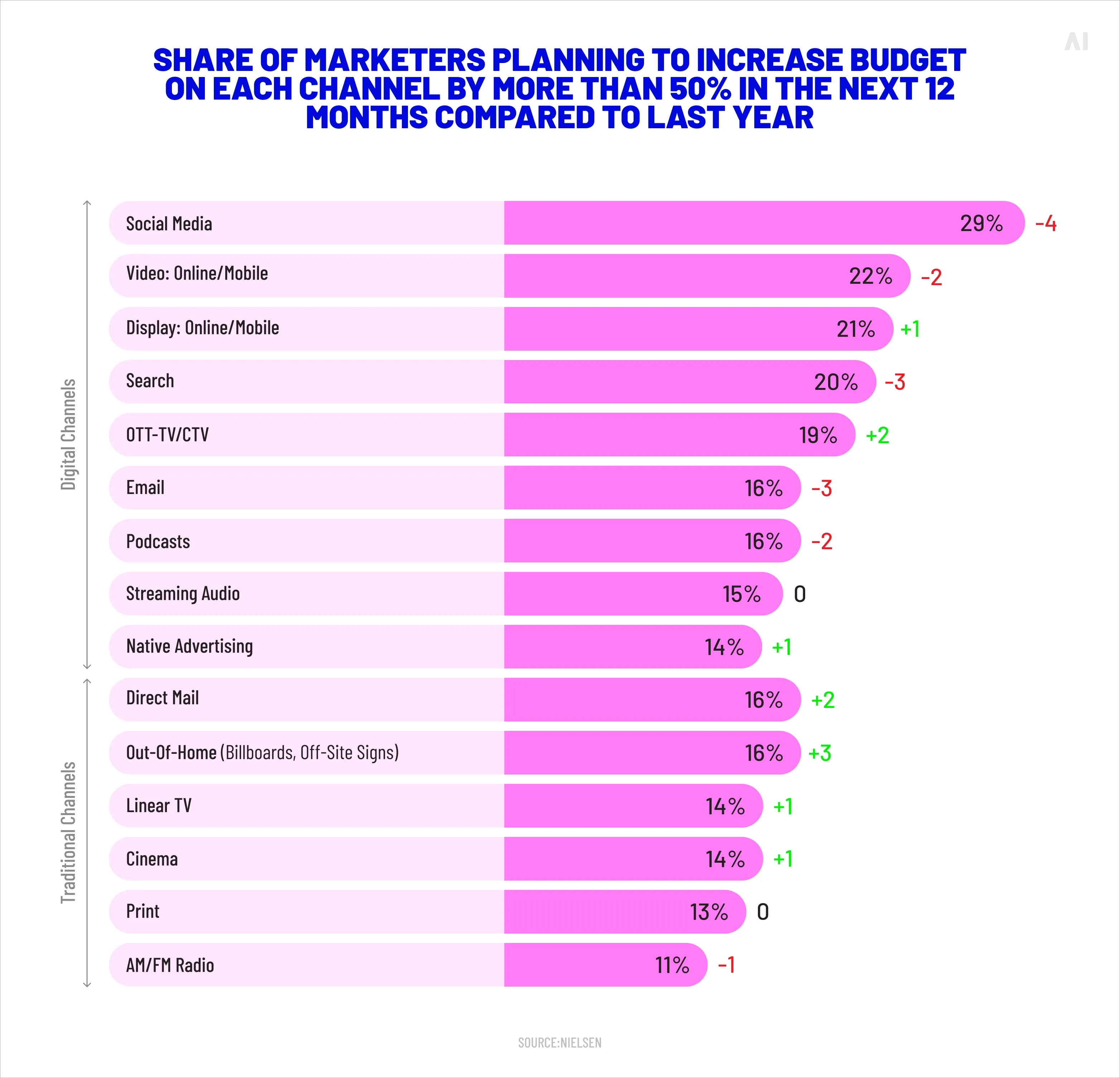
Its limitation is reduced flexibility. Once the placement, price, timing, and delivery terms are agreed, reallocating budget or changing inventory may require manual coordination and an amended IO.
⚡️AI Digital’s guide to media planning and buying explains how direct agreements can complement automated activation within a broader enterprise media strategy.
How Direct Buying Works
Direct media buying generally follows six steps:
- RFP and publisher selection: The advertiser identifies suitable media owners and may request proposals covering audiences, inventory, pricing, formats, and sponsorship opportunities.
- Negotiation: The buyer and seller agree on placement, campaign dates, pricing, delivery guarantees, exclusivity, creative specifications, reporting, cancellations, and makegoods.
- Insertion order: The IO documents what the publisher will deliver and what the advertiser will pay. A programmatic insertion order serves a similar commercial purpose but is executed through programmatic platforms and deal infrastructure.
- Creative trafficking: The advertiser supplies the assets and tracking tags, while the publisher uploads, tests, and schedules the campaign.
- Campaign delivery: The publisher serves the agreed inventory. In-flight optimization is typically more limited because changes may require publisher approval, replacement creative, or revised commercial terms.
- Reporting and reconciliation: The publisher reports results such as impressions, reach, engagement, video completions, and conversions. Because campaigns often depend on publisher-reported metrics, advertisers may add independent tracking, third-party verification, or brand-lift measurement.
The trade-off is straightforward: non-programmatic buying provides stronger control over context and guaranteed delivery, but less flexibility for real-time optimization.
Programmatic vs Non-Programmatic Advertising: The Strategic Comparison
{{pnp-3}}
💡Programmatic advertising generally provides greater speed, scale, targeting precision, and operational efficiency, while non-programmatic buying offers stronger placement certainty, publisher collaboration, premium access, and contextual control.
⚡️AI Digital’s new guide to programmatic vs. direct advertising will examine these benefits and trade-offs in greater detail.
Targeting: Audience Precision vs Context
Programmatic targeting can combine behavioral signals, page context, geography, device data, purchase activity, and first-party customer information to decide which impressions are most relevant. It also supports lookalike modeling, allowing advertisers to identify users who resemble existing high-value customers.
When the underlying data is reliable, this creates clear business value. Acquisition budgets can be concentrated on audiences with stronger conversion potential, existing customers can be excluded from prospecting campaigns, and messaging can be adapted by lifecycle stage or intent.
However, targeting precision is only as strong as the data and identity infrastructure behind it. Fragmented identifiers may represent one person as several users, outdated audience segments may misread current intent, and poorly constructed seed audiences can weaken lookalike models. Overly narrow segmentation can also increase CPMs while reducing meaningful reach.
The strongest enterprise strategies do not treat audience precision and context as opposites. They combine consented first-party data with publisher quality, content relevance, and supply signals.
⚡️AI Digital’s guide to programmatic targeting explains how these methods operate across channels, while another guide to first-party data strategy for programmatic advertising examines how advertisers can improve activation without depending on perfect identity resolution.
Pricing Models and Total Media Cost
Programmatic pricing is often associated with dynamic CPM bidding. The amount paid for an impression changes according to demand, audience value, placement quality, predicted performance, and available supply. Private marketplaces, preferred deals, and Programmatic Guaranteed may instead use negotiated or fixed CPMs.
Direct publisher agreements normally establish pricing before the campaign begins. The advertiser may pay a fixed CPM, sponsorship fee, placement premium, or package price. This offers greater budget predictability, although premium context, exclusivity, and guaranteed delivery frequently command higher rates.
The strategic mistake is comparing only the visible media price. The real cost includes:
Media cost + technology fees + data costs + campaign labor + verification + measurement
Programmatic buying may involve DSP, data, verification, creative technology, and agency fees. Direct buying may have fewer platform charges but require more time for negotiation, trafficking, publisher coordination, reporting, and reconciliation.
💡Enterprise advertisers should therefore compare the total cost of achieving a verified outcome—not simply which model offers the lower CPM.
⚡️AI Digital’s guide to CPM, CPC, and CPA provides a useful framework for matching pricing structures with campaign objectives.
Supply Quality
Open auctions provide enormous scale, but they also expose advertisers to uneven inventory quality. Common warning signs include:
- ❌ Made-for-advertising sites
- ❌ Invalid or automated traffic
- ❌ Domain spoofing
- ❌ Low-viewability placements
- ❌ Excessive ad density
- ❌ Repeated access to the same impression through multiple sellers
These issues can distort campaign economics. Low-quality inventory may appear efficient because it is inexpensive or generates misleading engagement signals, causing optimization systems to direct more budget toward placements that produce little real business value.
Supply Path Optimization helps advertisers examine how inventory travels from publisher to buyer. By prioritizing fewer, more transparent, and more direct routes, SPO can reduce duplicated bid requests, unnecessary intermediary fees, and exposure to low-quality sellers.
AI Digital applies this principle through Smart Supply, which connects curated inventory and optimized supply paths with campaign objectives. The strategic objective is not simply to reduce CPMs; it is to ensure that media algorithms are learning from credible supply.
Brand Safety and Fraud Prevention
Programmatic campaigns require proactive brand-safety controls because advertisements may be delivered across thousands of sites, apps, devices, and sellers. Advertisers typically combine inclusion lists, blocklists, contextual exclusions, pre-bid filters, verification vendors, and curated marketplaces.
Industry standards also improve supply-chain visibility. Ads.txt identifies companies authorized to sell a publisher’s inventory, while Sellers.json helps buyers distinguish direct sellers from intermediaries. These tools make unauthorized reselling and counterfeit inventory easier to detect, but they do not guarantee that every placement is viewable, suitable, or valuable.
CTV introduces additional complexity. App misrepresentation, server-side ad insertion, fragmented device identifiers, and reseller chains can make it difficult to confirm where an impression originated.
⚡️AI Digital’s guide to CTV ad fraud explains why advertisers should verify the app, seller, device, and supply route rather than assuming all big-screen inventory is premium.
Direct publisher buying offers stronger inherent contextual control because the media owner and placement are known in advance. Even so, direct deals still require governance. Unsuitable adjacent content, inconsistent reporting, and weak audience verification can affect campaign quality regardless of how the inventory was purchased.
⚡️Another article on brand safety in programmatic and digital media explores how technical safeguards and publisher relationships can work together.
Measurement Clarity: Closing the Attribution Gap
Programmatic platforms can provide impression-level information on delivery, cost, viewability, clicks, audience exposure, frequency, video completion, and conversion activity. This granularity supports rapid optimization and helps advertisers connect media activity with customer journeys.
Direct publishers generally provide more aggregated campaign reports. These may include impressions, reach, engagement, completions, or attributed conversions, but buyers may not receive the underlying log-level data needed to reconcile those results with other channels.
Neither model produces a complete measurement picture by itself. Enterprise advertisers typically combine several methods:
- Attribution connects measurable touchpoints with conversions.
- Marketing Mix Modeling estimates channel contribution using aggregated business data.
- Incrementality testing identifies outcomes caused by advertising.
- Unified measurement combines methods to reduce the weaknesses of any single approach.
Direct campaigns often require more modeled analysis because user-level data is limited. Programmatic campaigns may provide richer logs, but platform attribution can still overvalue measurable interactions or rely on self-reported outcomes.
⚡️AI Digital’s guide to unified marketing measurement explains how these methods can be connected. Its Elevate platform supports the same strategic goal by bringing programmatic, publisher-direct, and platform-reported data into a shared measurement environment.
⚡️Related resources include guides to marketing measurement frameworks, cross-channel attribution, Marketing Mix Modeling, and incrementality testing.
When Walled Gardens Change the Calculation
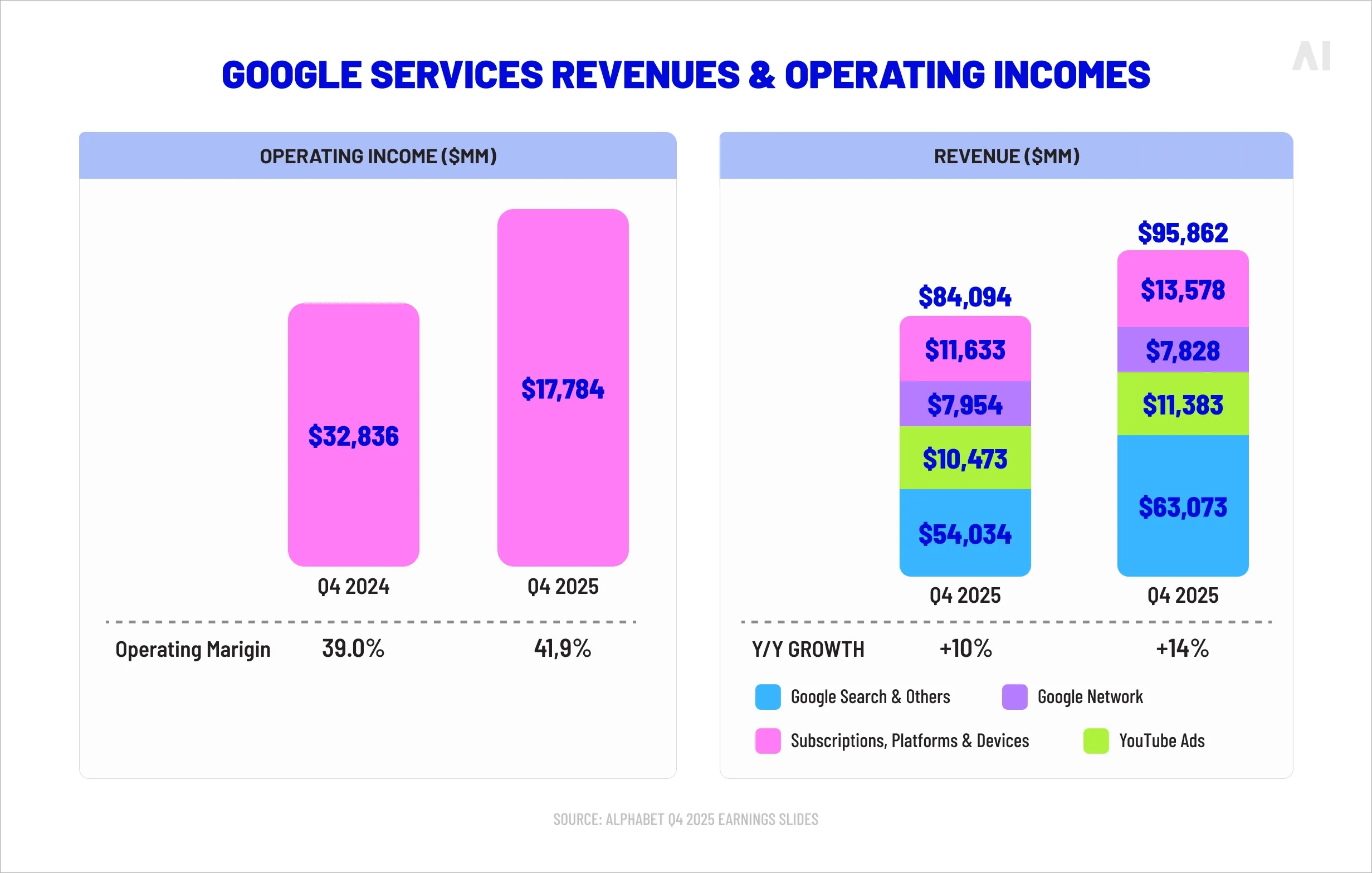
Much of today’s programmatic spending happens inside walled gardens such as Google, Meta, and Amazon. These platforms combine large logged-in audiences, proprietary data, automated buying, and built-in measurement, making them efficient for targeting and optimization.
The trade-off is reduced advertiser visibility. The same platform often controls the inventory, audience data, bidding logic, attribution model, and reporting. This can make it harder to independently verify results or compare performance with open-web, CTV, retail media, and direct-publisher campaigns.
The key differences between walled gardens and the open internet include:
- Transparency: Open programmatic can provide more visibility into publishers, sellers, fees, and supply paths.
- Verification: Independent fraud, viewability, and brand-safety tools are generally easier to apply across open inventory.
- Measurement: Walled gardens often report performance through their own attribution systems.
- Control: Open ecosystems give advertisers greater choice over DSPs, SSPs, data partners, and measurement providers.
Walled gardens still offer valuable reach and first-party signals. The risk arises when advertisers rely on platform-reported outcomes without a consistent cross-channel measurement framework. AI Digital’s guide to walled gardens explains how closed ecosystems can limit data portability and independent decision-making.
The Open Garden Framework provides an alternative based on transparency and interoperability. It allows advertisers to use major platforms where they add value while connecting them with open-internet inventory, independent supply partners, and shared measurement.
The goal is not to avoid walled gardens, but to ensure that no single platform controls the entire media strategy.
When to Use Programmatic, Direct, or Both
The best buying model depends on the objective, inventory requirements, and measurement needs.
{{pnp-4}}
Enterprise advertisers rarely need to choose one model exclusively. Direct buying can secure strategic inventory, while programmatic extends reach and reallocates spend according to performance.
When Programmatic Delivers the Greatest Value
Programmatic creates the strongest advantage when campaigns require large-scale targeting, rapid activation, and continuous optimization. Buyers can adjust bids, audiences, creative, supply, and budgets as performance signals emerge.
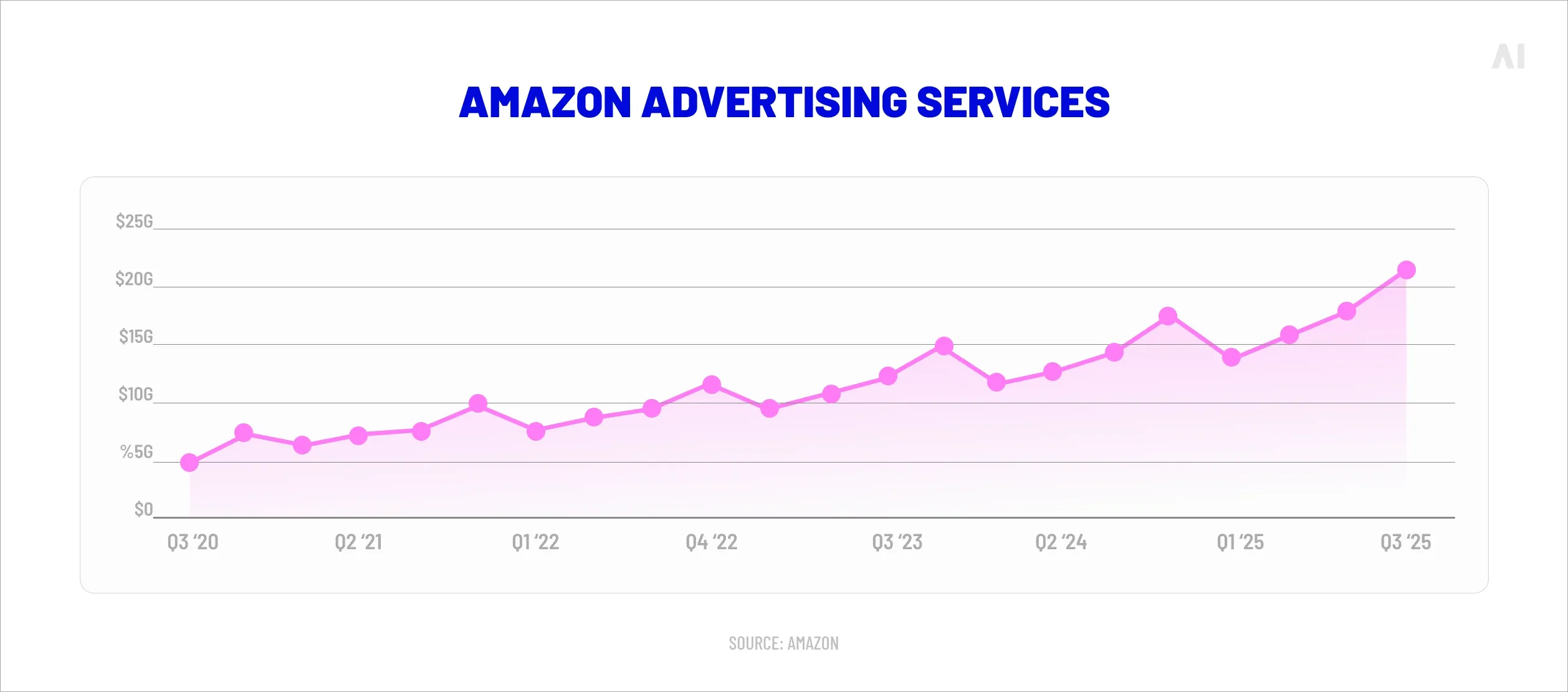
It is especially valuable for performance marketing, prospecting, retargeting, localized activation, omnichannel delivery, and large campaigns that would be operationally difficult to manage publisher by publisher.
However, automation only performs well when supported by:
- Accurate first-party and conversion data
- High-quality, transparent inventory
- Clear optimization goals
- Consistent cross-channel measurement
Poor data can train algorithms toward misleading outcomes, while low-quality supply can make inexpensive impressions appear more effective than they are.
Why Direct Buying Still Matters
Direct buying remains preferable when the publisher, placement, or surrounding context is part of the campaign value.
This includes premium sponsorships, homepage takeovers, custom content, host-read podcast ads, guaranteed streaming placements, niche industry publications, and regulated campaigns requiring stronger environmental control.
A specialist publisher may offer more commercial relevance than a broad audience segment, particularly in B2B, finance, healthcare, and luxury advertising. Direct agreements can also provide category exclusivity and access to inventory unavailable through automated marketplaces.
The trade-off is limited flexibility after launch. Advertisers should negotiate delivery guarantees, reporting access, makegoods, and cancellation terms before committing budget.
Building a Hybrid Media Plan
A hybrid strategy assigns different responsibilities to each model rather than dividing spending evenly.
For example, a product launch may use direct deals for premium video and publisher sponsorships, while programmatic supports audience extension, retargeting, and performance optimization.
Enterprise teams should:
- Define which buys deliver scale, certainty, or measurable outcomes
- Evaluate both models against shared KPIs
- Establish rules for reallocating underperforming spend
⚡️Measurement must also account for duplicated conversions. One customer may encounter direct, programmatic, CTV, search, and retail media before purchasing. AI Digital’s new guide to cross-channel attribution tools examines how advertisers can reconcile these overlapping journeys.
Premium direct inventory should ultimately justify its higher cost through incremental reach, stronger attention, brand lift, or superior business outcomes compared with curated programmatic alternatives.
Managing Reach and Frequency
Audiences often overlap across DSPs, publishers, CTV services, retail media networks, and walled gardens. Because each platform manages frequency separately, users can remain within individual platform limits while still receiving excessive exposure overall.
Advertisers can reduce waste by consolidating buying where practical, setting campaign-level exposure targets, suppressing converted users, and shifting spend toward inventory that adds incremental reach.
CTV is particularly challenging because households may encounter the same campaign across multiple streaming services and supply paths. AI Digital’s guide to CTV media buying explains how direct access, programmatic execution, and supply controls can work together. Our new article on cross-channel frequency capping explores these controls in more detail. The goal is not simply fewer impressions, but ensuring that each additional exposure adds reach, reinforcement, or measurable value.
Common Mistakes of Programmatic and Non-Programmatic Ads
The most expensive media-buying errors usually result from choosing a model based on surface-level efficiency rather than total business value.
- Comparing only CPMs. A lower CPM does not automatically mean better performance. Cheap programmatic inventory may generate weak attention, invalid traffic, or low-quality conversions, while a more expensive direct placement may deliver stronger context, credibility, and incremental reach. Advertisers should compare total cost, working media, and verified outcomes—not media rates alone.
- Overlooking supply quality. Open-market scale can hide duplicated supply paths, made-for-advertising sites, poor viewability, and unnecessary intermediary fees. Buyers should evaluate seller transparency, publisher quality, fraud exposure, and supply-path efficiency before directing more budget toward low-cost inventory.
- Relying entirely on platform-reported metrics. DSPs, publishers, retail media networks, and walled gardens may each claim credit for the same conversion. Without independent measurement and conversion deduplication, reported performance can exceed actual business results.
- Confusing programmatic with open auctions. Programmatic buying also includes private marketplaces, preferred deals, and Programmatic Guaranteed. Treating all automated inventory as open-exchange supply can cause advertisers to overlook more transparent and controlled transaction models.
- Neglecting first-party data strategy. Automation cannot compensate for weak customer data. Inaccurate segments, incomplete conversion signals, and poorly constructed seed audiences can direct bidding systems toward the wrong users and outcomes.
- Failing to measure incrementality. Attribution identifies interactions associated with a conversion, but it does not prove that advertising caused the result. Advertisers should use controlled experiments, matched-market tests, Marketing Mix Modeling, or other incrementality methods to determine whether media produced additional sales, reach, or brand impact.
💡These mistakes affect both buying models. Programmatic campaigns can become overly dependent on algorithms and platform reporting, while direct campaigns can rely too heavily on publisher assumptions and negotiated delivery.
⚡️AI Digital’s guide to marketing effectiveness measurement challenges examines why fragmented data, inconsistent metrics, and attribution gaps make media performance difficult to evaluate.
The central lesson is simple: select media based on supply quality, measurement credibility, and incremental business value—not automation, publisher reputation, or price alone.
How AI Digital Elevates Programmatic Media Buying
The challenges discussed throughout this guide—fragmented reporting, low-quality inventory, closed platforms, and creative bottlenecks—are closely connected. Improving one area while ignoring the others can still leave advertisers with inefficient campaigns.
AI Digital addresses these issues through a connected operating model: Elevate supports media intelligence and measurement, Smart Supply improves inventory quality, the Open Garden Framework connects fragmented platforms, and AI Creative Studio scales campaign creative. The objective is not simply to automate more activity, but to give advertisers clearer control over where budgets go, how performance is evaluated, and how campaigns adapt across channels.
Elevate: Better Media Decisions
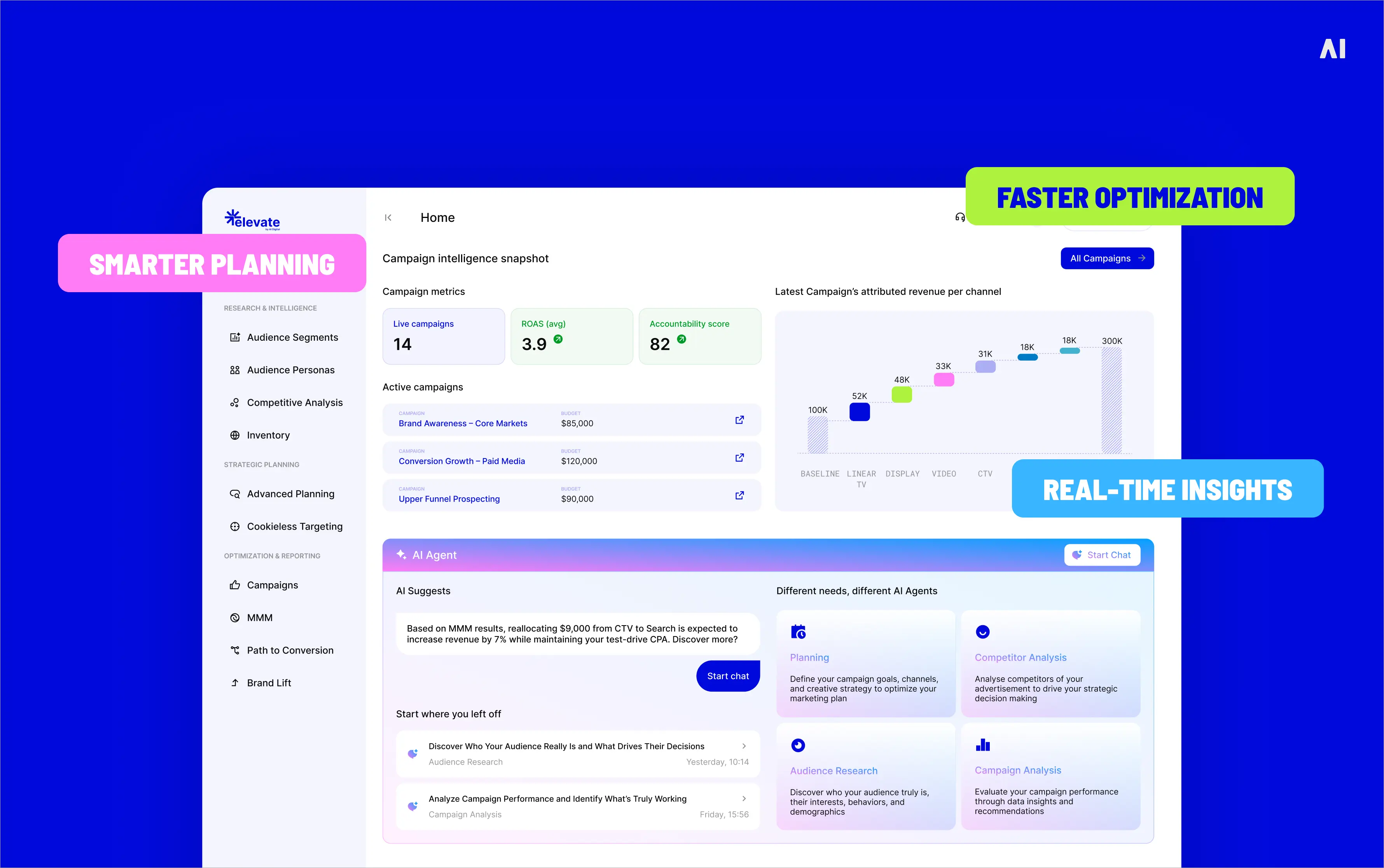
DSPs, publishers, retail media networks, and walled gardens often report results using different metrics, attribution rules, and data structures. This makes it difficult to determine whether one channel is genuinely outperforming another—or simply claiming more credit.
Elevate acts as an intelligence layer above these fragmented systems. It brings research, planning, optimization, and reporting into a shared environment so teams can evaluate campaigns against consistent business objectives rather than isolated platform metrics.
Its measurement capabilities include Marketing Mix Modeling and Path to Conversion analysis, helping advertisers examine channel contribution and the touchpoints that influenced conversions. This creates a stronger basis for reallocating budgets across programmatic, direct, CTV, and other media investments.
⚡️As AI Digital’s guide to marketing intelligence platforms explains, the value of this type of platform lies in converting unified data into the next planning or optimization decision—not merely producing another dashboard.
Smart Supply & Open Garden: Better Media Quality
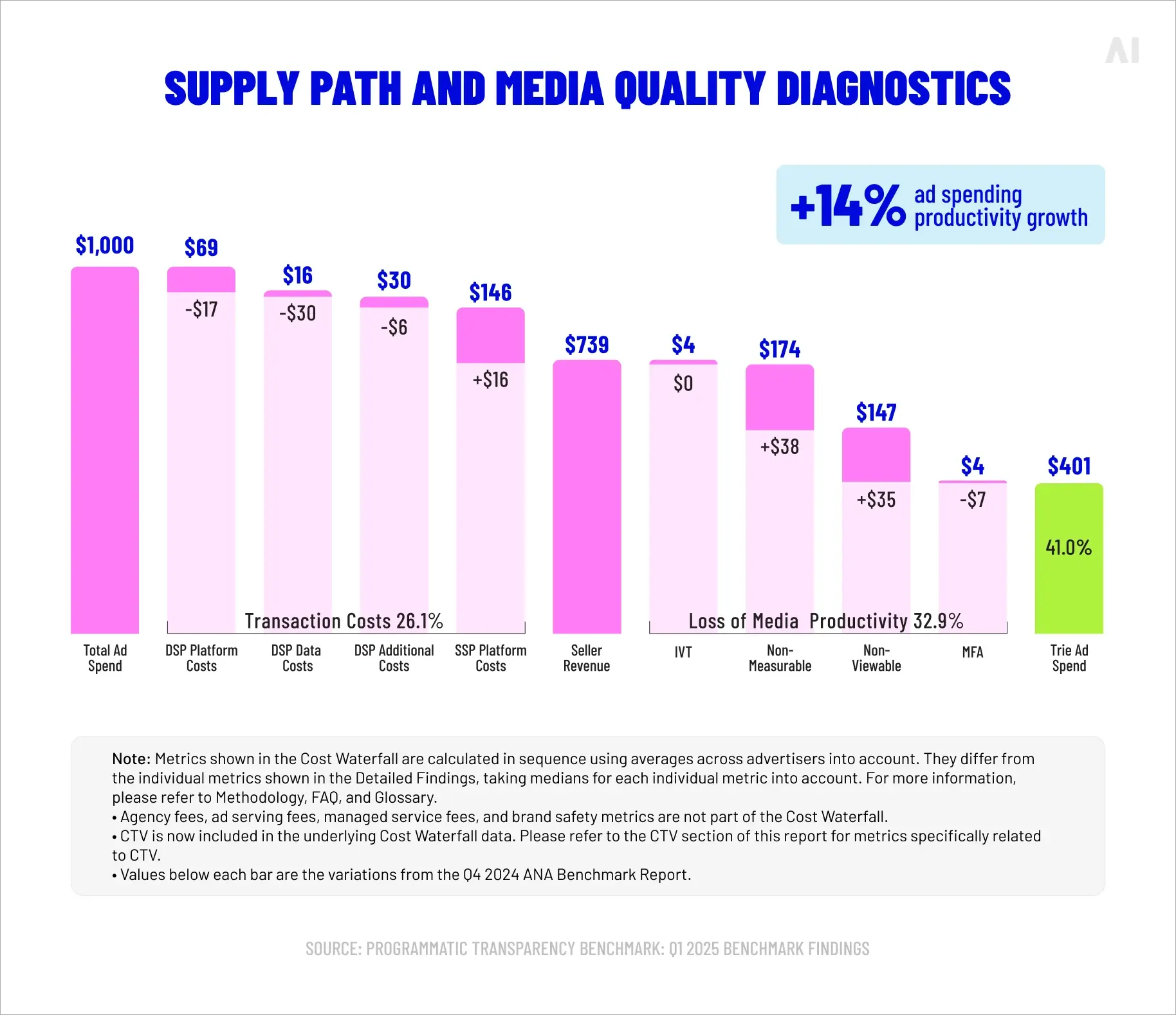
Measurement improvements have limited value when campaigns still run through opaque or inefficient inventory paths. Open-market buying can expose advertisers to MFA sites, duplicated bid requests, excessive intermediaries, and inventory that appears inexpensive but contributes little genuine business value.
Smart Supply addresses this problem through curated deal IDs, direct SSP access, real-time filtering, and KPI-based supply optimization. Its purpose is to remove low-quality inventory before it absorbs budget and prioritize paths that provide stronger transparency, pricing efficiency, and campaign relevance.
This approach builds on the principles of Supply Path Optimization: reducing unnecessary intermediaries, hidden fees, and duplicated routes so that more advertiser investment reaches effective working media. Shorter paths can also reduce redundant processing and the environmental impact associated with inefficient programmatic infrastructure, as explored in AI Digital’s guide to sustainable programmatic supply paths.
The Open Garden Framework extends this principle beyond supply quality. It provides a vendor-neutral, DSP-agnostic structure designed to connect DSPs, SSPs, data providers, and measurement systems without allowing one platform to dictate the strategy.
This gives advertisers an alternative to relying exclusively on closed ecosystems. AI Digital’s analysis of alternatives to walled-garden reporting shows how centralized analytics, consistent attribution rules, and independent cross-channel measurement can improve comparability across platforms.
AI Creative Studio: Scalable Creative
Audience-level optimization requires more than precise targeting. Campaigns also need enough creative variation to match different audiences, placements, formats, funnel stages, and performance signals.
AI Creative Studio provides the production layer for this process. A single campaign concept can be adapted across channels through resizing, localization, multi-platform versioning, creative variations, and rapid iteration—reducing the production bottleneck that often limits personalization at scale.
The next step is dynamic creative optimization, which uses data and performance signals to determine which combination of imagery, copy, offer, or call to action should be served. DCO therefore adds a decision-making layer to creative production: generating more versions is useful only when the system can identify which version supports the campaign’s actual KPI.
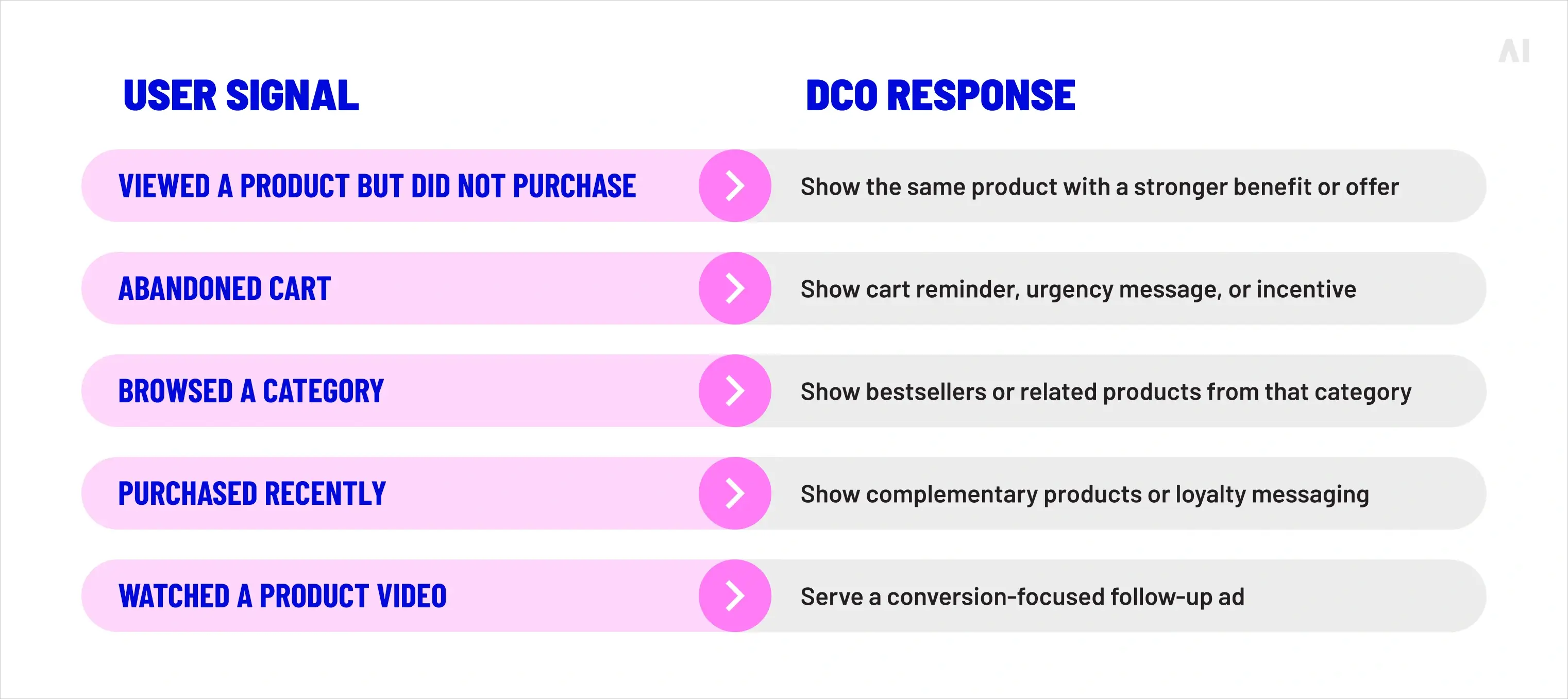
💡Together, these capabilities connect media intelligence, inventory quality, cross-platform execution, and creative scale—the four elements required to improve programmatic performance without sacrificing transparency or strategic control.
The Future of Enterprise Media Buying
Enterprise media buying is moving toward a model in which automation supports decisions rather than replaces strategy. AI-assisted optimization will increasingly help teams evaluate audiences, predict performance, adjust bids, generate creative variations, and identify budget-allocation opportunities across channels. However, the quality of those decisions will still depend on the data, inventory, objectives, and measurement systems guiding the technology.
Several trends will shape the next stage of media buying:
- AI marketing agents will support campaign planning, activation, monitoring, and optimization, reducing manual work while keeping strategic governance with human teams.
- Curated supply will become more important as advertisers prioritize transparent inventory paths, publisher quality, brand safety, and fewer intermediaries over unrestricted scale.
- Omnichannel execution will require stronger coordination across display, CTV, audio, retail media, mobile, social platforms, and direct publisher buys.
- Retail media growth will increase access to purchase data, but advertisers will need independent methods for validating retailer-reported performance.
- Privacy-first identity solutions will place greater emphasis on consented first-party data, contextual targeting, clean rooms, modeled audiences, and privacy-preserving measurement.
- Independent measurement will become essential as advertisers compare results across DSPs, walled gardens, publishers, and retail media networks.
⚡️New guide to AI marketing agents and the future of campaign management examines how autonomous systems may reshape campaign operations. A separate guide to cookieless targeting in programmatic advertising explores how first-party data, contextual intelligence, and privacy-first identity methods can support audience activation without depending on third-party cookies.
💡The competitive advantage will not come from automation alone. It will come from combining automation with high-quality supply, credible measurement, interoperable technology, and clear business objectives.
Choose the Right Buying Model at Enterprise Scale
Programmatic and non-programmatic advertising should not be treated as competing systems. Each solves a different media-buying problem.
Programmatic provides scale, audience targeting, rapid activation, and continuous optimization. Direct buying provides guaranteed access, premium context, custom integrations, and closer publisher collaboration. A hybrid strategy allows enterprise advertisers to use both models according to the value each contributes.
The correct choice depends on:
- The campaign objective
- The quality and scarcity of the inventory
- The required level of control
- The availability of first-party data
- The need for real-time optimization
- The reliability of cross-channel measurement
Success at enterprise scale requires more than selecting the right transaction method. Advertisers must also maintain transparent supply paths, consistent measurement standards, relevant creative, and clear rules for reallocating budget.
A premium direct placement should justify its cost through stronger attention, context, or incremental reach. A programmatic campaign should demonstrate that automation is improving verified business outcomes rather than simply increasing impression volume.
AI Digital’s approach connects media intelligence, curated supply, interoperable execution, and scalable creative production across modern campaigns. Advertisers looking to strengthen transparency, measurement, and media efficiency can contact AI Digital to explore how these capabilities can support their media strategy.